


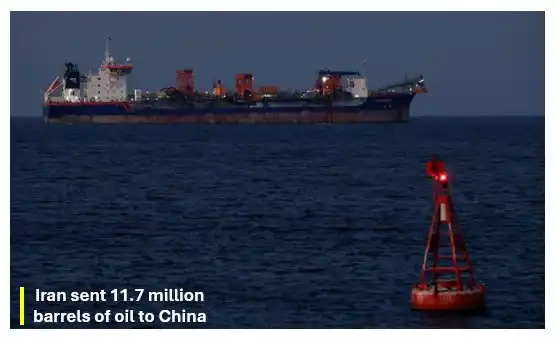
As indicated by reports from various sources, Iran has sent about 11.7 million crude oil barrels to China through the vital and much valued Strait of Hormuz since the latest Middle East conflict began on February 28th 2026. Shipments of this nature took place even when tensions were rising militarily and global shipping has been disrupted, therefore exhibiting Tehran’s attempt to continue exporting oil despite global geopolitical tensions.
Continued Oil Shipments Despite Escalating Conflict
Multiple maritime monitoring firms and satellite tracking data have kept records of tankers carrying Iranian oil successfully traversing through the strait and delivering their cargo directly to Chinese entities. This allows Tehran’s oil export practices to continue even though the worldwide oil issue has seen a rise in geopolitical risk
Importance of the Strait of Hormuz and the Global Economy
The Strait of Hormuz is one of the largest energy choke points because about 20% of worldwide crude oil and liquid natural gas is delivered through the Strait of Hormuz. A major disruption in either the Strait or at the southern portion of the Strait would have a very significant effect on global oil markets.
As a result, since the beginning of the current crisis, there has been a significant drop in shipping traffic transiting through the strait due to security concerns, being attacked by vessels and possible naval mines in the area. Therefore, many chose to avoid travelling through the strait; resulting in numerous commercial vessels being anchorage long or being redirected to other ports. Tankers associated with Iran and China continue moving through this maritime corridor much like before the civil war.
you may also like:
- Iran war impact on India LPG shortage concerns rise
- Power transition in Iran amidst war and political turmoil
- Iran Names Mojtaba Khamenei as New Supreme Leader
Tankers “Going Dark” to Avoid Detection
Various reports indicate that several oil tankers moving through the Strait of Hormuz which are transporting crude oil from Iran have switched off their Automatic Identification System (ais) tracking systems while in transit. This practice, referred to as “going dark,” makes it difficult for authorities and shipping monitors to follow the movements of a ship.
Despite the inability to track the vessels using ais, citational images from satellites and maritime intelligence companies have estimated the shipment volumes made by oil tankers moving from Iran to China. According to data, it is estimated that millions of barrels of oil have been delivered to Chinese ports since the outbreak of the conflict.
Iran Still Has Significant Customer Base In China
Due to the fact that Iran is China’s largest oil supplier and a key partner in its energy exports, Chinese refiners will continue to purchase Iranian crude, even though they are subject to the effects of international sanctions and instability in the region.
The last shipments of oil to China demonstrate that China remains committed to securing its energy resources from Iran, even when there is shooting and shipping disruption in the Gulf region.
Global Energy Market Concerns
The tensions around the Strait of Hormuz have already led to an increase in uncertainty in the global energy market. The fear that instability in the area will interrupt the flow of energy through this vital space caused oil prices to jump.
Because continued instability can lead to further disruptions of oil supplies from the Persian Gulf, analysts have warned that energy prices will rise above their current levels; therefore, inflation will also increase around the world. Governments and energy-related agencies are now discussing the creation of emergency plans to stabilize the energy market and maintain oil supply lines.
Implications of a Geopolitical Kind
Tehran’s ability to continue exporting oil through the Strait of Hormuz is evidence of how important this body of water is for the nations involved in the conflict. Tehran’s ability to keep the delivery of oil—especially to its largest customer—China—demonstrates that it still has the ability to control oil delivery routes globally after being subjected to military threats and sanctions, continuing the conflict.
So long as this area continues to experience ongoing conflict, both governments and energy and shipping companies, and gas station owners, all around the world will continue to pay attention to how much oil is moving through this narrow waterway.
