


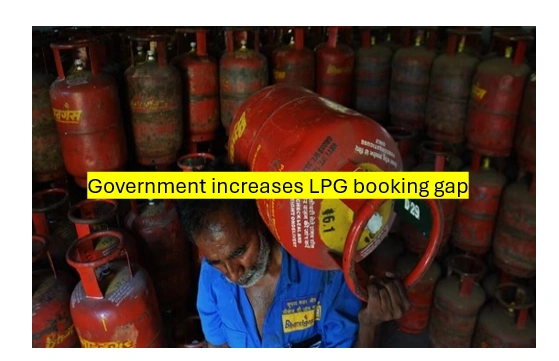
The central government has changed the rules for booking cooking gas tanks for homes. This is a big policy change that will affect millions of homes across India. The smallest amount of time that can pass between booking two LPG cylinders has grown from 21 days to 25 days. Officials say this move is meant to stop people from hoarding and selling energy illegally, make sure that everyone gets their fair share, and control demand while the world’s energy markets stay unstable due to political unrest.
What the government is doing to stop hoarding
People will have to wait at least 25 days after their last LPG sale before they can place another one, according to the new rule. Authorities made this change after noticing that some users were planning more often than usual, which could cause others to stock up and put pressure on supplies. Most families usually book cylinders every 40 to 60 days, but recently, some customers have been making orders within 15 days, which has caused worries about fake shortages caused by fear of buying.
Officials said the change was part of a larger effort to keep the sharing of LPG tanks running smoothly, especially since worries about supply problems are growing. The booking gap change is meant to stop people from making early reservations that aren’t needed, which can mess up demand data and put stress on delivery networks.
Read also: LPG Price Hike Sparks Concern
Growing Need and World Factors
Experts say the 25 day gap is meant to better align with how people typically use gas, since most homes use a tank over weeks. By increasing the minimum delay, the government hopes to keep orders from fluctuating too much and make it easier for carriers to plan deliveries.
How to Make the LPG Supply Stronger
Along with changing the booking rules, the government has told factories to produce more LPG. This is meant to ensure there is enough cooking gas to meet rising demand without affecting supply to people in their homes. Officials made it clear that, in the distribution system, home users will still take precedence over business links.
India is also said to be exploring long term supply deals with several other countries to increase the variety of LPG sources it has. Several countries, including Algeria, Australia, Canada, and Norway, have said they are ready to help India secure LPG in the future. These steps are part of a bigger plan to make energy more secure and less reliant on a single supply line.
Officials also told people that gas and diesel prices probably won’t go up right away unless the price of crude oil goes over a certain level. India has enough strategic fuel stocks right now, and prices for other fuels at stores should stay fixed for the foreseeable future.
Read also: Domestic LPG price hiked by Rs 60, commercial cylinder up Rs 115
How people react and how it affects the market
For most LPG users, the longer booking gap means they will have to be more careful about when they replace their tanks. People who used to book every 20–22 days will have to wait longer before they can make another reservation. Consumers’ first responses have been mixed. Some are worried that they will run out of cooking gas before the 25 day time is over, while others understand the need to keep people from hoarding.
Technical issues with booking systems and electronic Know Your Customer (eKYC) verification have made things even more confusing in some areas. Users are having trouble making reservations or getting error messages when they try to place orders. Even with these problems, officials say LPG supplies will remain steady and that systems are being modified to comply with the new rule.
