


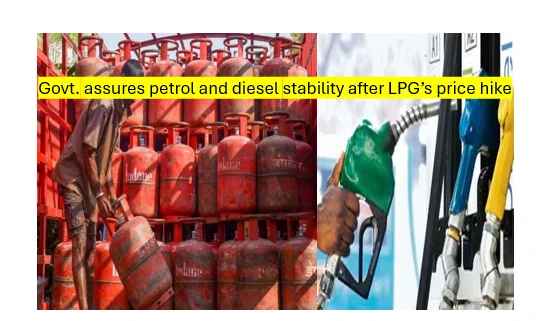
India’s LPG tank prices have gone up again, which worries people already struggling with rising living costs. The event comes at a time when tensions between Iran and other Middle Eastern countries are rising, putting pressure on oil markets worldwide.
But government sources have said that even though cooking gas prices have changed, gasoline and diesel prices probably won’t go up anytime soon. Officials say India has sufficient fuel stocks and that the current situation is being closely monitored to ensure consumers don’t face a further shock to fuel prices.
The price of LPG cylinders went up
Recently, the prices of LPG cylinders in the United States rose, affecting millions of homes across the country. Commercial LPG tanks used by restaurants, hotels and small companies have also been affected by the price rise.
Officials made it clear that the price increase is mostly due to changes in foreign standards, not to a lack of cooking gas in India. Oil management businesses adjust LPG prices based on what’s happening in the world. Recently, changes in foreign rates have driven up prices.
The government says the country has enough supply to meet local demand, even though prices have gone up. As an extra safety measure, the government has also told factories to make more LPG.
Read also: Domestic LPG price hiked by Rs 60, commercial cylinder up Rs 115
The price of the Saudi contract is very important
The rise in the Saudi Contract Price (CP), a key indicator for setting LPG prices worldwide, is one of the main reasons LPG prices are rising.
India imports a large share of its LPG from other countries, and the Saudi CP directly affects how much the country pays for LPG. When this standard rises in the world market, prices in the United States usually rise at the same rate.
Sources say the recent rise in LPG prices is mostly due to higher average prices in Saudi Arabia, not a supply problem in the United States.
The conflict in Iran makes the world’s energy uncertain
The ongoing war between Iran and other countries has made the world’s energy markets less stable. Due to its role as one of the world’s largest energy providers, the Middle East is often a source of tension over oil and gas prices.
Any unrest in the area makes people worry that oil and gas supply lines could be harmed. The Strait of Hormuz is one of the most important places because it is a major trade route through which much of the world’s oil and gas passes.
If things get worse and trade lines get disrupted, fuel prices around the world could rise significantly. Analysts say that these kinds of global issues make energy markets unstable even when supply problems don’t happen.
Read also: Iran’s Busiest Mehrabad Airport Comes Under Attack
Prices for gasoline and diesel are likely to stay the same
The price of LPG has gone up, but officials say the prices of gasoline and diesel probably won’t go up right away. According to the government, oil marketing companies have sufficient financial flexibility to handle short-term changes in the price of crude oil.
India uses a pricing technique that allows businesses to make more money when the price of crude oil is low worldwide. With these reserves, they can handle rapid rises in the price of oil worldwide without having to raise gasoline prices for consumers immediately.
Because of this, gas and oil prices in big towns have stayed mostly the same, even though there are political problems in West Asia.
The government is getting ready for possible supply problems
The government has taken precautions to make sure the country doesn’t run out of fuel. Refineries have been told to produce more LPG, and the government is also exploring other ways to secure the gas if needed.
Officials say India’s plan for energy security includes maintaining sufficient energy storage and diversifying energy sources. These steps are meant to protect customers in the United States from sudden shocks caused by wars in other countries.
The government says that things are still under control for now. Even though global factors have driven up LPG prices, Indian officials say the country has sufficient fuel stocks and a robust supply system to avoid a major energy crisis.
