


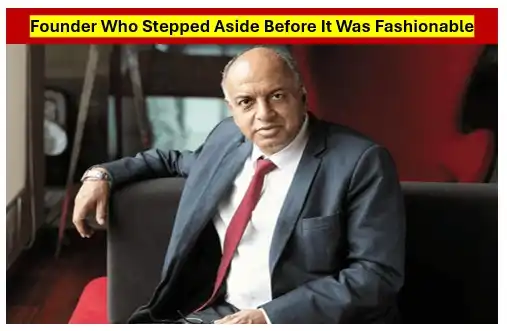
Many people in New Delhi think that Sanjeev Bikhchandani helped build India’s early internet economy. What stands out more than building a groundbreaking company, though, is that he chose to step down from day to day executive power long before it was normal for startup founders to do so.
At a time when founders usually stayed in charge, Bikhchandani did something different. He gave up practical control but kept strategic direction for the company. People in the Indian business now look at this move as an example of how to plan for long-term leadership.
Making an Internet Leader
In the 1990s, Bikhchandani co-founded Info Edge after leaving a safe job in the business world. The company then launched Naukri.com, which changed the job search market by putting it online at a time when few people in India had access to the internet.
Info Edge has grown over the years and now has a number of websites for real estate, marriage, and education. It was one of the first Indian internet companies to grow to a large size and then go public on the stock market. This showed that Indian tech companies could build models that would last and turn a profit.
Bikhchandani’s approach is often described by his coworkers as careful and disciplined. It focuses on long-term value rather than quick growth at any cost.
The idea that turned into Naukri
Sanjeev Bikhchandani saw well-paid MBAs looking through job ads in Business India during his lunch break while working at Horlicks. Two things stuck with me: jobs were always on my mind, and job ads in the papers only showed a small part of the real desire for workers.
In October 1996, he had a breakthrough idea after seeing the World Wide Web for the first time at an IT show at Pragati Maidan. When it began in 1997 with just Rs. 2,000, Naukri.com was using computers that had to be rented from outside of India because India only had about 14,000 internet links.
We ran Naukri on our own for three years and then got venture capital. This idea that I need outside funding in order to be an entrepreneur is wrong, Bikhchandani said in an interview.
In the beginning, job ads from newspapers and magazines were retyped by hand. Slowly, more people came in, and then recruiters started calling. By selling its ads much lower than its competitors’, Naukri was able to stay in business during the dot-com crash. A quick investment of Rs. 7.3 crore from ICICI Venture was very important.
A change in leadership that was ahead of its time
When Bikhchandani quit as CEO in 2010, he turned over the job to professional management. Many in the business world were surprised by the move because founders rarely give up power.
Some observers say the change made it possible for the company to formalise processes and stop relying on a single person. It also gave Bikhchandani more time to focus on broader strategic goals, such as growing new businesses.
Later, a number of Indian startups adopted similar succession plans, which makes his early move look like a good idea.
What happens to the whole business community
Bikhchandani has been a great investment and guide on top of his work with Info Edge. Through venture capital deals, he has helped a lot of new companies become big names in India’s tech world.
He is also working on projects related to higher education and has spoken out about problems of growth in both the government and schools. He is well-liked in many business groups where he talks about rules, new ideas, and how to start a business.
A Past That Will Last
Even though Bikhchandani started Naukri.com a long time ago, the Indian business is still changed by what he did. His story shows how the US tech industry has grown from a small start to become important around the world.
