


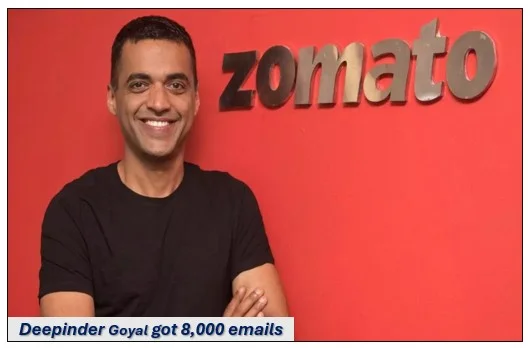
Deepinder Goyal, one of the owners of Zomato, is having an unexpected problem in New Delhi on February 11, 2026, after asking former employees to come back to work for the company. Someone sent an open message to graduates and it didn’t take long for over 8,000 people to want to get back in touch.
People who had worked at the food delivery platform before and people who had never worked there but wanted to be a part of the next step were both very interested.
An emotional call that spread like wildfire
At one point, Goyal talked to former team members in public and said that the organization might not have had the right framework or direction in its early years. He said that the business had grown and changed and that old coworkers could always find a job there if they wanted to return.
The sincere plea touched people. Soon, thousands of people wrote back to share stories, lessons learned and dreams of going back to the company. Many of the messages allegedly brought up memories from the early days of the startup, which made the reaction very emotional rather than just businesslike.
“Not Humanly Possible” to Answer
Even though he was moved by the response, Goyal admitted that it was hard to read and answer so many emails. He said it would take a long time to find and contact the right people because of all the long and emotional notes that were coming in.
He also said that even though his team is reading every message, he might be the only one who remembers a lot of the shared past.
Goyal suggested that people who had worked closely with him find his phone number and send him a WhatsApp message when they were waiting for an answer. This was an odd idea, but it helped those who were waiting go faster. The comment was quickly talked about online.
Why they’re important now
The call to return comes at a time when the parent company, which now runs several businesses, is focused on long-term growth and security. People who used to work for the company know about its culture, speed, and early problems, which is something that the leadership seems eager to fix.
In the past few years, a number of grads have returned, some even for more than one stint. This is typical of startup hubs, where people leave and come back with new skills.
The Internet Responds
The responses on social media were a mix of funny and friendly. A lot of people praised Goyal for recognizing the past and showing appreciation for the people who helped build the company. Some people laughed about how one boss might now spend weeks reading through thousands of texts.
Still, the event brought to light an important fact:, many workers still have a strong personal link to the companies they helped build.
People like Goyal may have a lot of emails, but that just shows how important the early days of the company were.
