


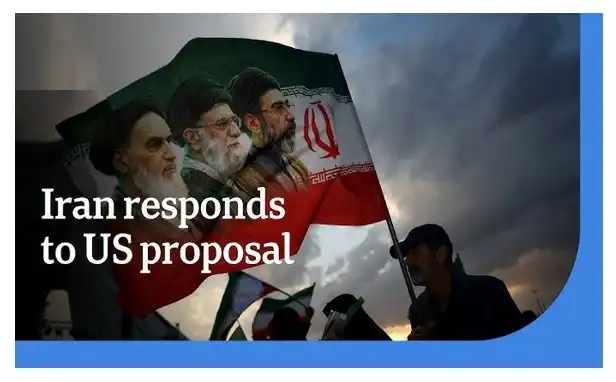
As per the Iranian state news agency, IRNA, Iran has responded formally to a U.S.-sponsored plan designed to stop the fighting in the Middle East. Sources say that Pakistan acted as an intermediary between Tehran and Washington in delivering Iran’s response.
Tehran Sends Official Reply Through Pakistan
The Iranian response comes after several weeks of escalating tensions in the Middle East, which have included military confrontations in and around the Strait of Hormuz, as well as increased engagement by U.S and other allied military forces. According to several different diplomatic sources, the latest correspondence between the two governments reflects increased international pressure to prevent the conflict from escalating into a regional war.
While Iran’s full response has not been officially released, reports cite that, from Iran’s standpoint, the main emphasis of the current negotiations is to stop the fighting, not to move into a broader discussion of other long-term strategic issues.
read also: Bangladesh seeks China’s support for Teesta River project
War Ending As A Priority
According to Iranian media reports, Tehran believes that the current negotiations should be focused exclusively on ending the war and restoring stability to the region. Iranian officials reportedly believe that establishing the two conditions above are necessary before they will be willing to move into more extensive and contentious negotiations about things, such as the imposition of economic sanctions and with regard to Iran’s nuclear program.
According to reports from those involved in negotiations between the U.S. It seems that U.S.’s proposal was to create a temporary ‘memorandum of understanding’ that would provide a basis for a cease-fire while opening up commerce between countries negotiating through the GOH (Gulf of Oman) and reduce the amount of fish caught by commercial fisherman.
Going forward, it appears that Iran is hesitant to agree to a temporary ceasefire due to the lack of guarantees. Past Iranian assurances indicated that the prior agreements had not provided the necessary long-term security assurances and, therefore, cannot be relied on to support any short-term cease-fire agreements.
Iran’s Conditions for Peace between itself and Saudi Arabia had been articulated by Iranian government officials and state-controlled media outlets over the past month. Of the numerous conditions that have been stated, six in particular stand out as key:
- A complete suspension of every type of military attack (including assassinations);
- A guarantee that Iran and her allies will not be attacked again;
- Compensation for damages as a result of the conflict;
- An immediate withdrawal of hostile military forces from any neighbouring country;
- A cessation of hostility against Iran, including in the Strait of Hormuz; and
- The removal of sanctions and frozen Iranian asset.
Reports further indicate an opinion within the administration of Iran that the U.S.’s proposal is one-sided and provides inadequate assurances to Iran regarding its long term security.
Iranian President Masoud Pezeshkian stated that negotiations don’t equal capitulation, saying that Iran will continue to protect its national interests, but is also willing to negotiate.
read also: UAE expels thousands of Pakistani workers
Strait of Hormuz Continues to be a Key Issue
The Strait of Hormuz is a flashpoint for the two sides in their negotiations. Since fighting flared up, the shipping traffic along the strategically important waterway has been disrupted, increasing concerns that global energy supplies will be compromised. Nearly twenty percent of oil traded globally is transported through the waterway.
US government officials want assurances for the safe navigation of commercial vessels right now; meanwhile Iran is looking for a fuller recognition of their position in the world and to be assured of their security (in the context of additional security arrangements) in regards to the strait.
Both sides have considered the potential of creating “interrim” plans of action to avoid interruption to maritime transport while they work on larger/deeper talks. There are still outstanding issues that will likely make reaching an agreement on a long-term resolution complicated, especially as they relate to Iran’s nuclear ambitions.
read also: Russia and Ukraine announce separate ceasefires
US Insistence on Broader Resolution
The US has been vocal that, in addition to a long term framework/approach for LTO, they demand constraints upon Iran’s nuclear activities. The US wants guarantees that there will be no Iranian uranium enrichment or missile programs because they believe that all parties must be satisfied with their respective levels of security before regional peace can be established.
Marco Rubio, the US Secretary of State, requested a “serious offer” from Tehran; he warned that Washington will resort to further action if there is no success in diplomatic efforts.
Moreover, Donald Trump has shown frustration with how quickly the negotiations have progressed, accusing Iran of employing delay tactics while simultaneously using military deployments and sanctions to maintain pressure on Iran.
Fragile Diplomatic Window
Despite all of this friction, the diplomatic process is still active. Reportedly, Turkey, Pakistan, and Qatar are continuing to mediate between Tehran and Washington to narrow their respective differences.
Analysts believe that the most recent response from Iran indicates both sides are interested in avoiding a lengthy conflict, despite the large number of significant differences that separate them. The current negotiations represent a fragile opportunity for both parties to reduce hostilities and stabilize the region.
Even with all of these factors contributing to one side or the other potentially derailing the peace process, including continued military incidents, widespread political distrust, and disagreements over nuclear policy, many in the international community will be watching closely to see if this latest exchange results in more formal negotiations between the two countries that ultimately will result in a long-term settlement.
