


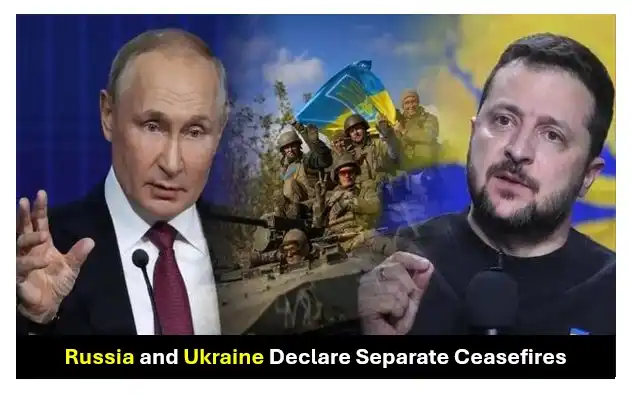
A ceasefire in the ongoing Russia-Ukraine conflict was announced recently and is a vital achievement after almost a year of hostilities. The conflict has had major humanitarian, political and economic repercussions throughout the international community. Ceasefires can be temporary or partial, and are intended to halt active hostilities; reduce civilian suffering; and ultimately create an environment suitable for negotiations between the parties.
Major cities in Ukraine have been destroyed; millions of civilians are displaced; and international trade, especially energy and food, has been negatively impacted as a result of the war.
When these types of ceasefire announcements are made, they are often received with guarded optimism by the international community (via the UN) as they call for a peaceful resolution to the conflict and protection of those affected. Trust and faith in one another have deteriorated leading to continued ceasefire fails due to many complex global political factors.
Ultimately, any measure taken towards de-escalation can allow for life-sustaining humanitarian supports and offer temporary relief to those impacted by conflict, as well as place basic essentials within reach for individuals without access to nutrition. A long-term resolution will depend upon sincere dialogue between the two conflicting entities with both compromising on their principles and with continuing international mediation.
Conflict Background
The Ukraine and Russia war began when Russia illegally and unprovoked invaded Ukraine, following eight years of built-up tensions after Crimea was illegally annexed by Russia. This has quickly developed into one of the largest geopolitical disputes in modern history, fought not only with arms but also through international sanctions, destruction of energy supplies, and additionally diplomatically by creating a global divide. Events within Eastern and Southern Ukraine have become major battlegrounds filled with intense violence leading to numerous casualties and displaced persons.
you may also like:
- Drone attack on cricket ground in Pakistan
- US plans to use Dark Eagle against Iran
- Al-Qaeda issues warning to Pakistan after firing Afghanistan
Reasons for Ceasefire
There are several reasons why ceasefire announcements are made in the current conflict:
1. Humanitarian Pressure: Prolonged conflict has led to the loss of much life and damage to civilian facilities and infrastructure. International organizations (e.g., UN) and humanitarian organizations are attempting to call for temporary halts in fighting; in order to allow for the establishment of heavy civilian loss and destruction due to war as a result of stopping fighting; and to provide for corridors for the evacuation and medical and food supplies to the affected civil population.
2. Military Assessment: Both sides in this conflict will look to ceasefires at various points in this war to reorganize their troop formations, build supplies, and evaluate their battle planning and strategy. In high conflict situations both sides will deplete their combat resources (e.g., personnel and weapons) and it would be beneficial to stop fighting and replenish their resources to continue the conflict.
3. Diplomatic Efforts: International actors (e.g. EU and lesser-known mediators) have been negotiating for a resolution to the conflict through diplomatic channels. Statements from the international community would support a ceasefire as positive steps in building trust, which will allow for new avenues for resolving the conflict (e.g., prisoner exchanges, peace talks).
4. Economic and Political Pressure: Sanctions imposed on Russia and Ukraine’s heavy economic load provide both countries with incentives to decrease their military confrontations through actionable conflict resolution methods. Also, public sentiment toward ease of conflict in both nations and their citizens will in turn affect how national political leaders choose to pursue short-term devassaltion.
Key Features of Ceasefire
The Hartford ceasefire agreements throughout this current conflict are generally very limited in time, duration and overall scope of implementation. For example, some are:
- A common, but limited, agreement to discontinue combat operations in very select areas or for set times.
- Humanitarian routes for future civilian evacuation.
- A stop to engaging in the civilian population.
- The release of prisoners of war.
- A commitment not to strike a country’s infrastructure, such as power stations, in that country’s territories, during a defined timeframe.
While ceasefires could add benefits to sustained and longer-convened peace negotiations, generally speaking, all ceasefire weather and its overall longevity have been due primarily both to the overall level of trust between the two parties and the high number of monitoring agencies in order to maintain that trust.
Challenges and Violations
The most common issue relating to ceasefires in this conflict has been that of the fragile nature of ceasefires throughout the current conflict. Both parties at times have committed multiple violations less than an hour after completing an agreement. Without the backing of powerful enforcement mechanisms enforcing the terms of the ceasefire and no mutual confidence in either party to comply with the ceasefire, maintaining a peaceful settlement on the ground is extremely difficult.
Internationally, ceasing fire at the beginning of a settlement has typically been met with positive responses. Organizations such as NATO and the UN usually make calls for compliance to the ceasefire and for continuing negotiations for a sustainable long-term peace settlement. Likewise, nations who are not involved in fighting in Ukraine are closely monitoring the ceasefire as it has ramifications to the global food supply chain, energy markets, and security alliances.
Bottom line
Although a ceasefire can stop fighting for a period of time, it is not a solution. In order to achieve a long-lasting peace agreement, there must be a comprehensive negotiation of the three parts of the settlement-this includes issues related to territorial control, security assurances, and political sovereignty. Without a negotiated settlement being reached, ceasefires will only be a temporary measure for reducing the level of violence within the conflict.
