


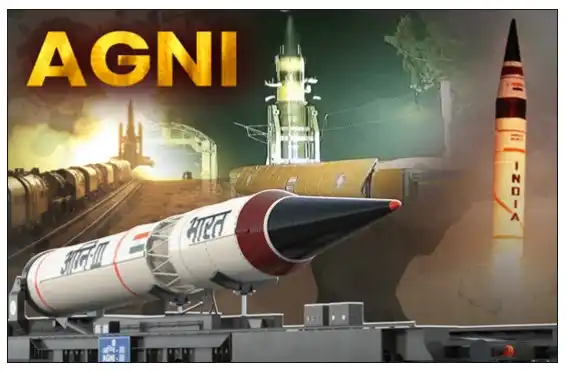
India successfully tested the Agni-3 ballistic missile on Thursday, which means it has even better strategic defenses now. It was fired from the Integrated Test Range on Abdul Kalam Island, which is off the coast of Odisha, and it completed its task. Defense officials stated that the test was done as part of regular training for users and to make sure that the rocket was ready to be used.
India’s legitimate minimum defense stance was strengthened by the successful launch, which also showed how the country is becoming more independent in its advanced missile technology. The test is happening at a time when regional security is still unstable, which is why India’s defense system is putting a lot of effort into being strategically ready.
During the test, all goals were met
Officials say that the Agni-3 missile went exactly where it was supposed to go and was very accurate. All of the systems on board worked as they were supposed to, including tracking, guiding, power, and control. Tracking devices, radar systems, and monitoring stations all sent back information that the launch went well.
Defense officials said that the test was done to make sure that the rocket would work in real-life situations. These kinds of tests are necessary to make sure that systems stay effective and ready for battle over time. Scientists and top leaders from India’s defense and strategic agencies watched the launch.
India’s ‘Baahubali’ Rocket to Launch Massive US Commercial Satellite
About the Agni-3 Rocket
The Agni-3 is an intermediate-range ballistic missile that can carry nuclear warheads and has a strike range of more than 3,000 kilometers. It is an important part of India’s strategic weapons and can carry both conventional and nuclear missiles. The rocket is from the Agni series, which is India’s main type of land-based nuclear defense.
The rocket has a two-stage solid fuel motor system that makes it more reliable and ready to launch faster. It is an important part of India’s defense weapons because of its great accuracy thanks to its advanced tracking system. Agni-3 can be fired from mobile platforms, which makes it more flexible and easier to defend against attacks.
India’s defense readiness gets a boost
India is committed to keeping a strong and effective threat, as shown by the successful test-fire of Agni-3. Defense experts say that all major military powers test their strategic weapons on a frequent basis. These tests help make sure that systems keep working well and can handle any threat that might come up.
India has said over and over that its missile development program is defense and aimed at protecting national security. Its strategy is not to use nuclear weapons first, and it focuses on scare tactics instead of attack. The Agni-3 rocket fits into this plan because it gives the country military depth and security.
What Part Does Indigenous Technology Play
The Agni missile program is mostly made with technology that is made in India. This shows that India is getting better at researching and making weapons for defense. The Defense Research and Development Organization’s scientists were very important in planning, building, and testing these devices.
The success of Agni-3 also helps the larger goal of making defense output more self-sufficient. India wants to improve its security and build a strong defense business at the same time by relying less on technology from other countries. Not only do indigenous weapon systems help with national defense, but they also help with technology progress and hiring skilled workers.
Strategic Importance in the Area
India can cover key vital places with Agni-3’s range and power, which makes it a stronger deterrent against possible enemies. According to defense experts, the rocket makes the area safer by making sure that India has reliable ways to respond.
However, India has made it clear many times that it is still committed to peace and security. The country takes steps to build trust and communicates diplomatically, but it also keeps its defenses very strong. People see strategic tests like the launch of Agni-3 as part of smart defense planning, not as a way to make things worse.
A message of stability and readiness
The good test makes it clear that India is ready for operations and has advanced technology. It shows that the country can build, test, and use complicated weapon systems without help from other countries. These kinds of tests give the military more faith in the tools they use to protect the country.
Defense officials praised the teams that worked on the launch and praised their hard work and skill. India has done a lot of successful missile tests in the past few years, and the Agni-3 test is just one more example. This shows that India is steadily improving its strategic powers.
As India keeps updating its military, these kinds of tests are likely to stay a regular part of its security system. India’s attention on being ready, being self reliant, and keeping strategic stability in a tough global climate is once again shown by the start of Agni-3.
