


Young Leaders Turn Down a Dream Deal
Two young AI experts turned down a multimillion-dollar offer from Elon Musk’s AI company. This was an unusual and brave move that shocked the tech industry around the world. The two Gen-Z geniuses, who are known for their groundbreaking work in AI design, decided to keep working on their own model instead, sure that their vision for the next generation of intelligence needs them to be completely independent.
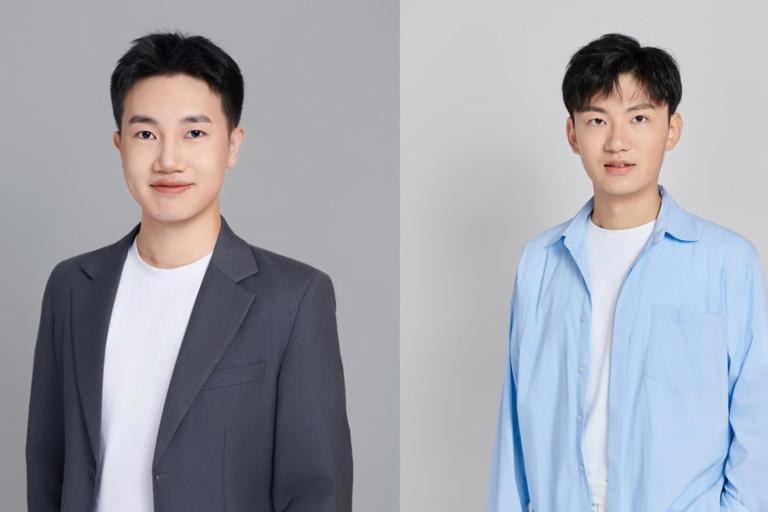
Reports say that the two impressed people in Silicon Valley when they made an AI system that was small but very smart and could do better in thinking tasks than several bigger models. Their accomplishment got a lot of attention around the world and even made it to Musk’s desk. The deal they got was said to be a “life-changing” opportunity for them professionally and financially, but the two young scientists turned it down right away. Their choice has caused a lot of talk in the tech world about new ideas, desire and having the guts to go up against big companies.
From classroom project to global hit
A basic research assignment grew into something spectacular rapidly for these minds. The two didn’t prioritise model size and large datasets like other AI researchers. rather, they studied a new design process influenced by thought.
Early on, they created a modest AI model with a hierarchy thinking structure that solved issues accurately and efficiently. Most large-language models depend on size, but their method was mainly about making decisions quickly and in an organised way. This out-of-the-box approach helped their model do well even though it didn’t have nearly as many features as the big players in the business.
The word quickly spread about how well they did. Researchers, businessmen, and engineers from some of the world’s best universities praised the creative method. Musk’s company finally got wind of the story, which led to the high-value deal meant to bring the two into a top-tier AI environment. But the two thought that their work would be limited by the rules of a business. They believed that real experimenting could only happen if they stayed on their own, and it was this view that led to their brave refusal.
Read also:
- Pinterest Adds AI Content Controls
- PhonePe Announces Strategic Collaboration with OpenAI to Bring ChatGPT to Indian Users at Scale
- AI Shopping Scams in 2026
- AI could replace 3 million jobs in next 10 years
- Elon Musk said ‘We will not rest until Grok is flawless’ and invites people to report bugs
- 5 behaviours to adopt from Elon Musk to achieve success
A new business with a fresh idea
After turning down the job offer, the two started their own company with the goal of changing the way artificial intelligence works. Their main goal has been to create a next-generation model that can not only react sensibly but also understand context, learn strategically, and reason in an organised way that is similar to how humans do it.
That is different from most current systems, which are built around transformers. Their new design is hierarchical and brain-inspired. Instead of using huge amounts of stolen data, they train their system with inputs that have been carefully chosen and improved. The framework stresses learning through logic, organised memory, and breaking down problems into smaller parts, which are all skills that humans usually use to think things through.
Early cognitive testing shows the model works well. It sometimes thinks better than bigger commercial models. This trend towards intelligence over scale might lead to the next AI revolution, according to researchers.Their results show that large companies with plenty of computing power may also produce big discoveries. Independent innovators with big ideas can change the game anywhere.
Future AI implications of their decision
Their rejection of a major giant sends a message to engineers worldwide: the courage to develop something new is now a sign of desire. Many analysts believe their decision was a turning point that reflects a growing trend among young developers who prioritise creativity, freedom, and vision above fast money.
Their findings also supports a fast-growing idea: huge AI models trained with unlimited data may not be the future of AI. Smarter design, better reasoning, and more efficient brain frameworks may drive future advances.
The whole world is keeping a close eye on their company as it grows. And the fact that they turned down a multimillion-dollar offer with such faith makes them one of the most talked-about young tech teams right now. They don’t seem scared, so they might be able to change the future of AI in a way that works for them.
