


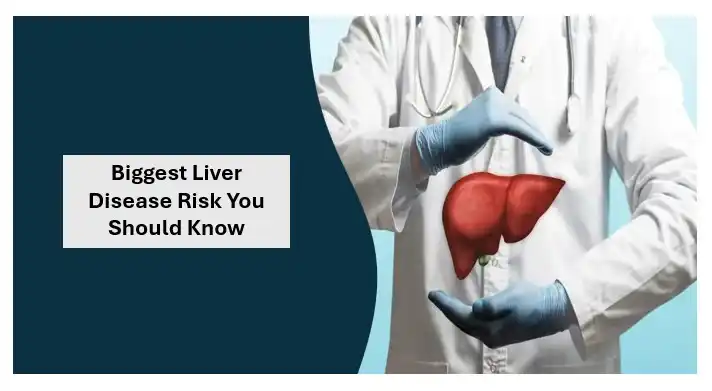
Liver disease is used to describe a wide variety of diseases that can damage the liver and affect the way it functions. The liver is responsible for detoxifying the body, performing metabolic reactions, and storing nutrients. If the liver becomes diseased, it can impact how your entire body works. Some common forms of liver disease are Fatty Liver Disease, Hepatitis and Cirrhosis.
Excessive Alcohol Consumption
Heavy alcohol consumption is one of the biggest culprits of liver disease. Long-term alcohol use will lead to the liver being progressively damaged, starting with developing fatty liver, then alcoholic hepatitis, and finally cirrhosis. Your liver processes alcohol and excessive amounts can overwhelm your liver, causing inflammation and scarring. In addition, moderate alcohol consumption over long periods of time may put an individual at risk of developing liver disease, especially if there are other factors such as poor diet or being overweight.
read also: Preventive healthcare and early detection revolution
Obesity and Poor Diet
Obesity and poor dietary choices are also leading to liver disease today. Lifestyle choices today are leading to obesity becoming a common cause of liver disease. Increased consumption of processed foods, sugars and unhealthy fats contributes to developing a condition called Nonalcoholic Fatty Liver Disease which appears to be getting more common. Nonalcoholic fatty liver disease can be progressively symptomatic; therefore, it is possible for an individual to have this condition without showing any obvious symptoms. Over time fatty deposits accumulate in the liver will create inflammation of the liver, ultimately resulting in irreversible injury or liver disease.
read also: Studies reveal that marriage lowers risk of cancer
Viral Infections
Hepatitis B and C are two viral infections that can result in chronic liver disease due to their mode of transmission, either by using contaminated needles or through sexual contact with an infected individual. Chronic viral infections can lead to gradual destruction of the liver, as well as increased risk for developing cirrhosis or liver cancer.
read also: Pelvic floor dysfunction a common issue that’s often ignored
Diabetes and Metabolic Disorders
People suffering from diabetes are substantially more likely to develop chronic liver disease than those without diabetes, primarily because of the development of insulin resistance. This insulin resistance results in abnormal accumulation of fats within the liver. Metabolic syndrome (i.e., where individuals have hypertension, elevated cholesterol levels, and obesity in their abdomen) increases the chance of developing both insulin resistance and fatty infiltration of the liver. The combination of these three conditions can result in accelerated liver disease progression.
read also: Common signs signifying heart disease in women
Medications and Toxins
As one of the major organs responsible for clearing toxins from the blood, the liver is affected by excess drug usage (especially over-the-counter analgesics). Paracetamol has been reported as being a common cause of acute liver failure worldwide due to excessive consumption. Additionally, industrial chemicals and environmental toxins can lead to devastating consequences for the health of your liver through exposure to multiple sources over a long period of time.
Genetic and Autoimmune Factors
Many liver diseases have nothing to do with the individual’s lifestyle, including inherited diseases and those triggered by the body’s own immune system. There are also liver diseases that stem from excessive deposits of iron in the liver (e.g., hemochromatosis ) as well as a type of liver disease that occurs when the body attacks its own liver cells (e.g., autoimmune hepatitis ). Generally speaking, these types of liver diseases may go unnoticed until a serious amount of liver damage has occurred.
Early Symptoms
The most dangerous factor for many people suffering from liver disease relates to the lack of obvious signs. Most people develop symptoms short before the end stage of the disease. Some common early signs—such as feeling tired all the time, mild abdominal pains, and loss of appetite—are often disregarded by people. Because of the premature consideration of liver disease in most individuals, effective treatment can be delayed with no chance of recovery.
Reducing the Risk of Developing Liver Disease
To prevent or decrease the risk of developing a liver disease, a person must adopt healthier lifestyle habits and/or take an active role in understanding the symptoms of liver disease. Reducing alcohol consumption, maintaining a healthy weight, and eating a well-balanced diet are good starts. Receiving vaccinations against all strains of hepatitis and practicing safe medicine also decrease the chances of developing liver disease. If a person is going to receive prescription medications, they should use caution and speak to their physician before taking them for long periods.
Final Thoughts
There are many things you can do to prevent liver disease. You can also learn about the major risk factors associated with liver disease (alcohol use; obesity; infectious diseases; and genetics) in order to protect yourself from the development of this disease through some easy lifestyle changes and/or timely detection of it.
