


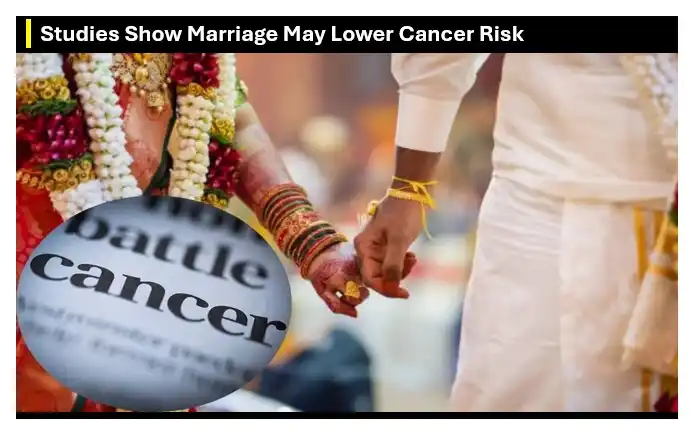
There has been increasing evidence showing that marriage may be associated with lower risk of developing certain types of cancer and higher odds of surviving after being diagnosed. Although this may come as a surprise to some, researchers suggest that the connection between marriage and cancer is likely due to lifestyle, social support, and/or healthcare practices usually associated with being married.
Research Evidence
Many published studies examining the relationship between marriage and cancer indicate that married patients generally benefit from better survival rates and earlier diagnosis than unmarried patients. Married individuals often have better overall outcomes than unmarried individuals for multiple types of cancer (including breast cancer, prostate cancer, colorectal cancer, and lung cancer) due to receiving more aggressive treatment, an earlier diagnosis, and more careful monitoring after diagnosis.
While these studies support the idea of a positive association between marriage and cancer outcomes, they cannot be used to conclude that being married directly prevents someone from developing cancer. However, the studies can identify factors that may help reduce one’s risk of developing cancer or improve recovery following cancer treatment.
also read: What to Look For in a Personal Injury Lawyer
Role of Emotional Support
The strongest explanation is supportive emotional and psychological support, either from a spouse or partner. When someone has a spouse/partner, they have someone who pays attention to possible health-related issues. Spouses can remind each other to go for medical checkups, be there for each other during stressful times, and provide comfort when facing life’s difficulties. Chronic stress is related to a decrease in immune function, which can lead to progression of disease (ex. heart disease). Therefore, having a supportive partner can help mitigate stress and help improve overall health and resilience.
also read: Know more about removal services and why you need to hire them?
Healthier Lifestyle Choices
Research shows that people who are married generally adopt healthier lifestyles than those who are not married. For example, married people tend to smoke less and drink less than unmarried people (who tend to engage in riskier behaviours than those who are married). Moreover, they have better eating habits and sleep patterns than unmarried individuals. All of these behaviours combined over time create significant lower risk for developing many different types of diseases including some forms of cancer.
In addition, spouses hold each other accountable in making healthy lifestyle choices such as exercising and eating a balanced diet, as well as adhering to medical advice. All of these factors contribute to long-term good health.
also read: How to prevent cervical cancer In women?
Better Access to Healthcare
- Healthcare Usage:
The use of healthcare is another important component. Married individuals have higher rates of insurance coverage and are more likely than single individuals to utilize preventative health screenings, as well as to pursue early medical attention for persistent symptoms. Early identification of possible cancer is critical for successful treatment if caught at an early stage. A spouse may observe unusual physical changes and encourage a visit to the physician sooner than would be done by a single person, allowing for earlier identification and treatment.
In addition, married individuals have access to more logistical assistance when receiving cancer treatment (e.g., rides to appointments, medication management, and post-treatment care), which increases the likelihood of a successful outcome.
- Socio-Economic Stability:
Marriage conveys significant benefits in terms of socio-economic stability, so indirectly affecting health outcomes. Socioeconomic stability (income and other shared resources) provides greater access to healthcare and lessens the stress associated with financing healthcare. Integration into a social network is important as well; those who share a commitment with another experience less isolation, while social integration has been shown to positively correlate with immune function and health status.
Limitations and Considerations
Even with these results, do not overly simplify this situation; being unmarried does not automatically increase your risk and being married does not necessarily guarantee good health. Factors like the nature of the relationship itself, socioeconomic status, education and access to health care are major players in overall health and wellness. A stressful marriage or one in which either partner is unhealthy could negate many of the advantages of being married.
There are strong support networks outside of marriage through family, friends or community service organizations that can provide similar benefits to your health.
Conclusion
Emotional support through marriage (and some other variables) is the basis for the protective effect of marriage on reducing cancer risk—both through healthier behaviours and lifestyles as well as access to health care services. In essence, it’s more related to the behaviours and environments that accompany marriage than the marriage itself that makes for reduced cancer risk; therefore, developing and encouraging supportive relationships and pursuing a healthy lifestyle is the best way to prevent or mitigate the impact of cancer on your life—regardless of your marital status.
