


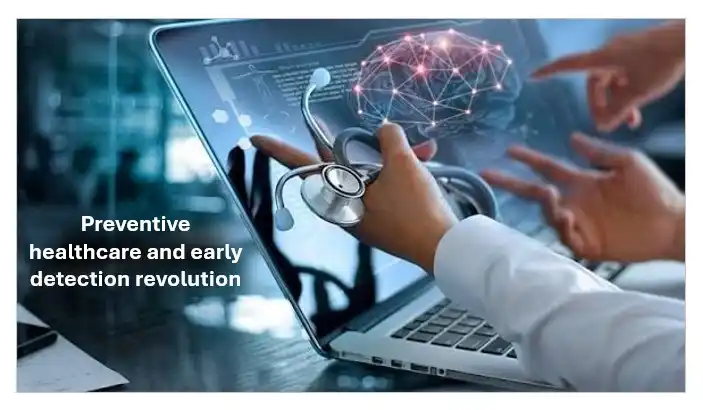
There has been a massive transformation in the way that healthcare is delivered across the world. For many years, healthcare focused on finding and treating disease once someone was sick. Over the past few years, however, many systems have begun to shift from focusing on a reactive, outcomes-based model (treatment of patients after they exhibit any signs/symptoms of a disease) towards a more proactive, risk-based model of preventive and wellness-based care.
The shift in our approach to healthcare is so great that we are seeing one of the greatest changes in the field of medicine. We are also experiencing an enormous impact on patients and the economy.
Transition from Reactive to Proactive (Preventive) Care
For many years, many of our health care systems functioned reactively by providing treatment only after once a disease had been diagnosed or a patient has exhibited any visible signs/symptoms. Rising health care costs, an increase in the aging population, and the rising prevalence of chronic diseases (such as diabetes, cancers, heart diseases) have highlighted the limitations of this type of delivery system.
Preventive health care is trying to help solve these problems by providing early identification of risks and intervening before a person develops a disease. Examples of preventive health care include: yearly check-ups and screenings; continuous body monitoring (for example, weight, blood pressure, and cholesterol levels); immunizations/vaccinations; and lifestyle changes through education and support programs. In addition, there is now a bigger focus placed on the individual remaining healthy than just receiving treatment once they are already sick.
also read: Mental fitness and neuro-wellness
Role of Technology in Early Detection
The shift of the healthcare industry towards early diagnosis is fueled by advances in technology. The use of artificial intelligence (AI), wearable technology, and better diagnostic tools have increased the speed and accuracy at which we can identify potential diseases within our bodies.
With the use of wearables such as smartwatches and fitness trackers, we can track factors like heart rate, sleep quality, and physical activity levels in real-time. By keeping track of our body’s vital signs with a watch or fitness tracker, we are able to see patterns and identify any issues that may develop over time.
also read: Studies reveal that marriage lowers risk of cancer
Personalized and Predictive Care
AI is also making it easier for us to use large amounts of data to identify early signs of illnesses like cancer and neurological diseases. With the use of imaging and blood tests, we can also diagnose conditions at a much earlier and more treatable stage than ever before. These innovations in early diagnosis have made it easier for us to offer these services on a broader scale to the population.
The use of personalized medicine is also an important aspect of this transformation in the healthcare industry. By taking into account a person’s genetics, lifestyle, and environmental factors, healthcare providers are able to determine an individual’s level of risk with a greater degree of accuracy.
Doctors can use predictive analytics to prevent future health problems and develop prevention plans based on these predictions. Those who have a higher likelihood of developing certain types of cancer due to hereditary factors may be advised to have screenings more frequently, and those who are genetically predisposed to developing heart disease may benefit from earlier intervention with lifestyle changes (diet and exercise) and the use of medications. By using predictive analytics, more individuals will engage in their own healthcare and subsequently improve health outcomes.
also read: Cardiologists recommend 5W’s that should not be in the kitchen
Impact on Economic and Health Systems
The emphasis on preventive care is shifting the economics of healthcare. Treating diseases that have progressed to an advanced stage requires more resources than preventing those diseases from progressing or catching them in an earlier state. Therefore, preventative care will have the ability to reduce the need to hospitalize people for procedures, surgeries, and long-term care.
The recognition of the value of preventative care services being provided by state and federal governments and financial institutions has led to an increase in the amount of investment in preventative programs, the provision of incentives to individuals for regular health check-ups, and the inclusion of prevention and early detection strategies into public health policy.
There are still several challenges that must be addressed in the area of preventative healthcare services. These challenges include the large amounts spent on technology, infrastructure, and the creation of public awareness about the availability of these types of services. It will be critical to ensure that there are no health disparities between individuals positioned in different areas of society.
Challenges and Ethical Considerations
Preventive healthcare has many challenges despite the positive effects it could have for everyone. Some of these obstacles are caused by having so much paper and digital documentation available that protecting people’s private and secure information is a primary concern.
The second challenge to address before preventive care becomes widespread is that people can be over diagnosed for diseases they may never die from. An over diagnosis may create anxiety for the individual and lead to unnecessary medical treatment. Therefore, it is very important to find balance between identifying a need for further evaluation and clinically relevant conditions.
A third challenge that must be overcome is how to change people’s behavior. Changing the ways that people currently eat healthily and regularly have their health evaluated can only be accomplished by addressing them through continued cultural change and education.
Future of Preventive Health Care and Early Detection
Preventive health and early detection will create a change in how the future of healthcare is defined. The movement of technology will continue to improve healthcare awareness and ultimately the way that healthcare is delivered will also change and become more preventive and patient-centered.
With the advances in preventive care, our lives are expected to be healthier and last longer and we will work to create a more sustainable healthcare system. Although there appear to be many hurdles ahead, the continued push for preventive care is underway; this is the beginning, in the words of Shakespeare, of a “brave new world”, where the best treatment for you is to not have a disease at all.
