


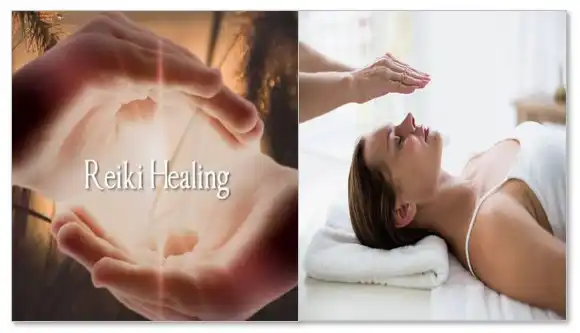
In Japan in the early 20th century, Mikao Usui developed Reiki. The term “Reiki” is made up of “Rei,” meaning “universal,” and “Ki,” meaning “life energy,” and was created from two Japanese words to represent Reiki as the energy that connects all living things. This universal energy, when in a state of balance, flows through all living things; when it’s disrupted, it can create an imbalance physically, emotionally, and spiritually.
Reiki is an energy therapy, which means that the focus is on balancing your body’s energy rather than directly treating a specific physical condition. Reiki is used for healing worldwide in many wellness centers, alternative therapy clinics, and in some hospitals as a complementary therapy.
What Happens During a Reiki Session?
During a typical session, the recipient lies fully clothed on a massage table while the practitioner lightly touches or holds their hands above various areas of the recipient’s body to channel universal life energy. The practitioner aims to channel the energy into the recipient’s body and promote relaxation and healing.
Sessions are typically between 45 to 90 minutes in duration, and many recipients have reported sensations such as warmth, tingling, and deep relaxation during sessions. Practitioners also report that Reiki can help to clear blockages in the energy systems, allowing the body to begin the natural healing process.
Reiki, unlike most of the Western-style medicine currently used in the US and many countries, does not include medicinal products, physical manipulation or invasive methods. Many people describe their experience with Reiki as a pleasant, meditative experience.
Increased Use of Reiki in the World
Over the last several decades, the popularity of Reiki has grown significantly in different countries around the world. People who are interested in wellness as well as people looking for spiritual or religious experiences and those who need help with stress reduction have turned to Reiki for support.
Some health facilities have started using Reiki as an adjunct to other forms of care. For example, hospitals in the US and UK may use Reiki with their patients alongside conventional medical treatment to aid with specific problems, such as pain, anxiety, and fatigue.
There is a general consensus among proponents of Reiki that it can assist with issues of stress, insomnia, chronic pain, and emotional trauma. However, it is typically used as an adjunctive form of therapy, rather than a substitute for traditional medical interventions.
you may also like:
- How to Get Rid of Neck Hump Fast
- How Weight Booster Natural Pills Work to Build Body Mass Naturally
- Best and Must-do asanas for men
- How does Yoga help in Controlling Emotional Outbursts?
Scientific Evidence Regarding Reiki
The scientific community is divided on the efficacy of Reiki. Some smaller studies suggest that Reiki may aid in reducing stress, anxiety, and / or pain levels by inducing deep relaxation. Relaxation, in and of itself, can positively impact overall health and may support healing in certain circumstances.
Only a small number of medical studies show that the energy transfer theory in Reiki exists. Studies suggest that the benefits from practicing Reiki may be equivalent to benefits experienced from meditation, the placebo effect, and/or relaxation type practices.
Many organizations including the World Health Organization acknowledge that traditional and complementary therapies contribute positively to a person’s overall well-being, but they stress that these therapies should never be a substitute for evidence-based medicine.
The positive experiences reported by people who practice Reiki are extensive. The most frequently reported benefits of practicing Reiki are:
- Reduction of stress and anxiety;
- Better sleep;
- Emotional balance;
- Temporary pain relief;
- Relaxation.
These benefits of Reiki are attributed to the peaceful environment created during a Reiki session and the aware, intentional, and mindful nature present among both the client and practitioner of a session.
Reiki typically does not carry any major risk factors because it is not invasive, does not require any drugs or physical manipulation; but caution must be used when utilizing Reiki as the only treatment for serious conditions because of the possibility of delaying the start of necessary medical treatments.
Reiki is a form of therapy based on the traditional practices of Japan and is designed to help heal someone physically, emotionally & spiritually. When you participate in a session, your practitioner will place their hand(s) on various parts of your body gently while you meditate like you would in yoga or another type of meditative practice.
Bottom Line
Reiki is mainly used for stress relief or relieving tension; however, there is not much scientific research aforther with the same findings that can show exact evidence supporting its healing effect on chronic diseases such like cancer. Therefore, most professionals do consider this type of practice as an additional means to help achieve an improved state of health and well-being but not as a true method to heal a specific condition through clinical medicine.
If interested, please consult with a trained therapist that practices Reiki for more information about using this complementary therapy method while receiving an adequate level and quality of medical care prescribed by a doctor so as to avoid misuse of an otherwise beneficial treatment option such as buddying through complementary therapies like acupuncture or massage therapy, which both should be received prior to supplementing any type of chemical or surgical means to achieve health benefits.
