


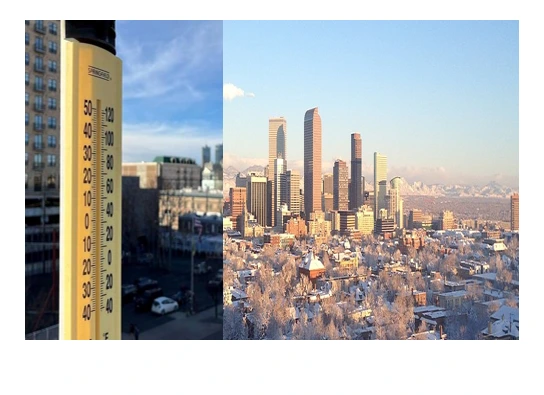
On February 15th, Denver experienced unprecedented warmth, as temperatures rose to an all-time high of 68°F, breaking last year’s record of only 67°F, and continuing the trend of excessively warm winter weather. It is typical for this time of year to see average daytime temperatures of approximately 45°F, which means Sunday’s temperatures were more than 20° above normal; this warm spell this winter is also part of the overall warm trend that has been present in other states in the Western Half of The United States.
Unusually Warm Conditions and Climate Context
The current warm spell in the area can be seen as part of an ongoing climate trend, which includes a lack of both snowfall and winter warmth; Colorado and other states nearby have had snowpack levels lower than ever before, which has decreased water reserves and has been representative of a larger shift in seasonal weather patterns. Forecasters have been reporting numerous instances where above-average high temperatures continue to occur throughout the region; with Sunday’s new benchmark record showing that more and more, early season warm air is routinely setting new record benchmarks.
Winter Rains And Freezing Temperatures Compound Misery In Gaza
Forecast: Warm Spell Continues, Then Cool Down
After the record-setting Sunday we had, temperatures will continue to be warm on Monday. Forecasts are calling for another sunny day with high temps of nearly 70°F before we have some cooler, more seasonal temperatures by later in the week.
Meteorologists say that the warm/dry air coupled with a ridge of high pressure in the area are contributing to these temperatures, providing a string of weather conditions that are much more like what you’d find in spring than mid-winter.
Effects of these Weather Conditions on the Environment and Fire Risks
The combination of dry air and high temperatures has created fire weather issues throughout the plains/east Denver; however, there’s been no major wildfire outbreaks reported thus far, but officials are urging caution as vegetation is dry and with the winds, fire risk could increase at any moment.
Bottom Line:
- Denver just experienced its hottest February 15th (68°F).
- This is also the warmest winter we’ve had in many years and low Snow Pack is another indication of larger climate change occurring.
- This warm spell should last a little while longer; however, it will eventually get cooler and more seasonal.
