


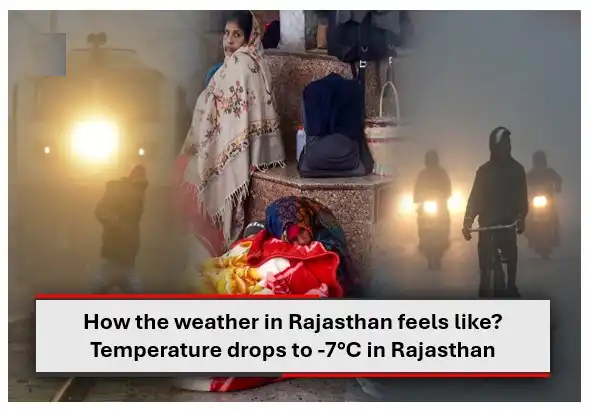
An unsettled weather pattern consisting of below normal minimum temperatures and excessive fog is currently being experienced throughout many areas of western and northern Rajasthan due in part to open areas causing significant cooling at night. Although this has been occurring in many areas through Rajasthan, several districts within western and northern Rajasthan have been affected severely.
Most residents will have difficulty coping with these extreme weather conditions (extremely low temperatures) when they occur at a place close to the ground. In western and northern Rajasthan, we have seen extreme level(s) of fog, which contribute to the extremely cold temperatures. In addition, the weather conditions have also resulted in many homes not having heating or other means of protection so that people can remain comfortable while inside their homes.
How the weather in Rajasthan feels like?
Weather officials attribute the extraordinarily low nighttime temperatures to: (a) clear skies at night, (b) calm (lack of wind) weather conditions at night, and (c) open land areas that promote maximum loss of heat after sunset.
In the past week, very low temperatures in the region have caused some water in open containers to freeze partially and cause a thin layer of frost to form on crops, rooftops and vehicles. The prolonged period of extreme cold has created great concern for local residents and local government officials.
In many areas, temperatures have dropped to levels that warrant Cold Wave warnings as defined by the India Meteorological Department (IMD) due to the presence of Cold North Winds combined with a lack of clouds.
The IMD has reported that the Cold Weather is expected to continue over the next several days; especially overnight and in the early morning hours when there is little to no sunlight. The occurrence of dense fog over low-lying areas may cause reduced visibility, leading to increased chances of roadway accidents while disrupting transportation services.
The rising temperatures from Daylight Savings Time (DST) coming later than Light Springs or early Spring, lower daily routines. Daily Activities in the morning have shortened considerably as residents in many areas have become more cautious and reluctant to take advantage of daylight prior to its full onset at 6:00 a.m. Daily routines have also become less productive as market days have less customers and public gatherings in the majority of the areas remain dispersed. In several districts, the operating hours of schools have been adjusted to prevent students from being exposed to severe cold.
Homeless people and daily wage earners represent the two populations highly affected as they sleep outside without the adequate protection from the elements coupled with their respective issues of health and safety. In response, numerous local agencies are providing temporary shelter and blankets in their respective urban centers as a means to alleviate the struggles created by these temperatures.
Farmers Are Worried About Crop Losses
As a result of these extreme cold temperatures affecting the country, alarm bells are ringing in the agricultural community. The large frost occurrences have resulted in numerous threats being created to Produce such as Mustard, Cumin, and many Vegetables – all of which are very sensitive to any change in temperature. The potential continued cold wave or increase of cold wave activity could create reduction in production.
Agriculture Experts are advising all Farmers to act now by implementing many preventative actions such as irrigating often and generating smoke around the crops in their respective fields during the morning hours in order to protect their respective crops from being damaged by frost. However, due to the lack of resources associated with being a small or marginal Farmer, they will continue to see high vulnerability because of this healing process.
Health Risks Rise Amid Freezing Conditions
Medical practitioners are seeing an increased incidence of cold-related illnesses such as hypothermia, respiratory infections and joint pain particularly in the population of elderly and children. Physicians are advising all individuals to limit the amount of time they spend outdoors when it is cold outside, to dress in layers, and to eat a healthy diet to improve their immune system function.
Hospitals are being advised to be prepared for a surge in cold-related medical emergencies, and local health departments are distributing information about ways to protect yourself against cold exposure through community organisations.
Emergency Management Agencies Increase Relief Support
State governments have issued an executive order directing district governments to be alert and to provide adequate shelter for vulnerable populations. Night shelters are being inspected for compliance, and extra blankets are being provided to people living in rural and urban locales.
Municipal Governments have also directed their personnel to provide bonfire facilities in prominent areas of their respective communities as well as to have systems in place to respond to weather-related emergencies.
Outlook: Cold Spell Likely to Continue
According to meteorologists, daytime temperatures may improve slightly, while on the nights’ temperature records were set at record-low levels. There is no major relief from the extreme cold expected until significant shifts begin to occur in the wind patterns and/or until a western disturbance reaches Rajasthan. In the meantime, all residents of Rajasthan can prepare for extremely cold winter nights, and look forward to the return of normal temperatures with time.
