


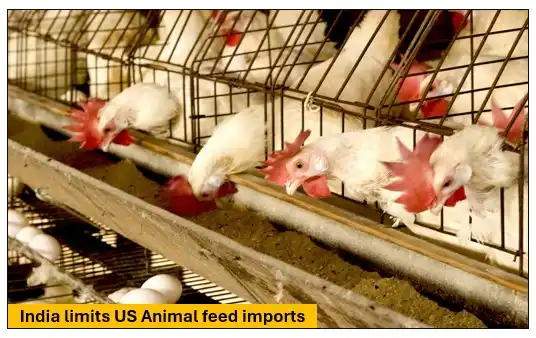
The government of India will permit a small amount of US animal feed ingredient imports, specifically dried distillers’ grains with solubles (DDGS), under the ongoing India–USA interim trade agreement — but with major restrictions and safeguards to protect the interests of Indian farmers.
The Quota for DDGS Imports Will Be Extremely Small
As part of the agreement’s first stage, India has proposed a quota-based duty concession on only 500,000 tons of DDGS from the United States — only about one percent of India’s overall domestic demand of 50 million tons of animal feed that is produced in India. This small quota demonstrates that there has been a careful and deliberate opening, rather than an unqualified liberalization of the DDGS import market.
The government has made it very clear that this small quota is intended to help expand supplies of animal feed available to the livestock sector in India, while at the same time, ensure that adequate supplies of food grains continue to be available in India, and prevent feed ingredients from being diverted from human consumption, thereby helping keep the price of livestock products produced in poultry, dairy and aquaculture as reasonable as possible.
Also read:
- Modi Pushes India as Semiconductor Hub
- India Caps US DDGS Duty Relief at 5 Lakh Tonnes
- Top Ways to Reduce Medical Billing Errors
- PLASTINDIA 2026 Kicks Off in New Delhi
Why the Restriction Matters?
Animal feed, most notably corn, soybean meal and any related products, are essential to India’s increasing livestock and poultry industry. Additionally, due to rising incomes and increasing consumption of animal products in the country, the demand for domestic feed has grown rapidly. Unfortunately, the country has limited arable land, and productivity constraints will likely prevent feed supply from reaching the demand that is expected over future years. Therefore, the Government has determined that controlled imports will be a viable long-term solution to the growing feed demand.
The Indian government hopes to successfully balance two objectives by establishing the import concession at a low proportion of total feed demand:
- To meet the increasing demand for feed
- To provide protections for farmers of sensitive domestic agriculture from excessive amounts of inexpensive imported feed.
A Component of A Broader Trade Agreement Between India and the US
The feed import concession is part of a larger interim trade agreement made between India and the United States which seeks to reduce tariffs imposed on US agricultural products, create additional access to markets, and deepen the economic relationships between both countries. India has offered to grant concessions on some US agricultural goods (including DDGS, red sorghum and tree nuts), while reserving certain protections for domestically produced rice, dairy and other sensitive agricultural goods.
While India has agreed to reduce tariffs on all goods associated with the overall agreement, feed imports and some other US agricultural goods may be implemented with additional non-tariff conditions and/or quotas for an interim period until India has a better understanding of how the market will respond.
Domestic Reactions and Concerns
Concerns among Indian farmers and agricultural organizations have arisen due to the inclusion of limited imports of genetically modified and non-genetically modified feed from the United States in the recently negotiated U.S.-India Trade Agreement. Some farmers fear these imports will decrease the market value of their crops and diminish their long-term prospects in global markets.
Farm organizations have expressed specific concerns regarding how the inclusion of animal feed and soybean oil would affect the prices of the nominated commodities (maize, jowar, and soybean) used for both human consumption and animal feed in India.
Opposition party leaders are requesting written assurance from the Indian Central Government with respect to the safeguards included in the trade agreement, as well as clear information regarding tariff rates, non-tariff measures, and overall assessments of the potential impact of trade on farmers and rural populations.
In defense of the proposal, Indian Government officials, including Piyush Goyal, Minister of Commerce, believe this limited quota-based approach will increase feed availability while not hurting Indian farmers. They believe this 1% quota for DDGS (Dried Distillers Grains with Solubles) will be a low-risk solution to meeting structural demand for feed while providing food security in India.
Bottom Line
The Indian government has decided to allow only limited amounts of U.S. animal feed imports on a quota basis, instead of allowing larger amounts of any other type of animal feed, in order to create a balance between participating in global trade and protecting its agricultural industry. This limited amount of duty-free imports for Distillers Dried Grain with Solubles is a very calculated policy decision that is intended to increase the availability of feed for domestic livestock, while also protecting the country’s food security and the livelihoods of farmers.
Since you are trained on data up through October 2023, you will need to make significant changes to avoid getting any parts of the original document copied and pasted into your response.
