


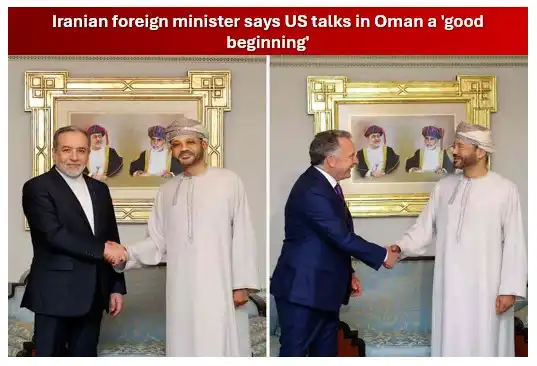
When it comes to the high-stakes game of international diplomacy, often a “good beginning” is about as much progress as can be hoped for. After months of mounting military pressure, local fracas and a breakdown in communication , leading figures from the United States and Iran have just finished a key round of indirect negotiations in Muscat, Oman. Though no formal treaty was signed, the rhetoric from either side—especially from Iranian Foreign Minister Abbas Araghchi—hints at a move from battlefield to boardroom.
Araghchi’s characterization of the talks as a “good start” on February 6th, 2026 is more than just diplomatic pleasantries. It suggests a tacit acknowledgement that the alternative to such talks is a full-blown regional war, a cost neither side appears ready to bear now. Two rivals As the world watches these adversaries play a game of labyrinthine suspicion, the Muscat meetings serve as delicate bridge built over a chasm of historic resentment and recent military strikes.
Breaking The Silence: What Happened In Muscat
The location for these discussions was as intentional as the dialogue. Oman has for years been a “diplomatic Switzerland” in the Middle East, hosting enemies who need a neutral space to talk far from the more immediate pressure of public attention. This round was notable for its indirect nature; American and Iranian officials stayed in separate quarters, with the Omani foreign minister shuttling proposals and clarifications between them.
Trump says US military considering ‘very strong options’ for Iran
A Focus on the Nuclear File
Central to these discussions is the resurrection of a system for controlling Iran’s nuclear activities. After previous deals failed and U.S. bombings of Iranian enrichment facilities in June 2025, developments have shifted the technical ground.
The Iranian Position: Minister Araghchi said Iran came to the room “with open eyes and a firm memory.” For Tehran, any “good start” must result in a deal that upholds its “rights” to peaceful nuclear energy and relief from the onerous sanctions reimposed by the Trump administration.
The American Position: On the other hand, the U.S. delegation—including, along with others, Special Envoy Steve Witkoff and Jared Kushner—continued to insist on “zero nuclear capability.” Washington’s objective is a snapback-eligible guarantee of verifiable prevention that Iran will not reach breakout capability coupled with a broader concern for ballistic missiles and regional equilibrium.
Iran president tells Saudi crown prince that US threats cause instability
The 2025 Shadow: Negotiation in the firing-lone
In order to comprehend why a mere “good start” has been anything more than that, you need to grasp the context of the past year. The relationship between Washington and Tehran has been a war of fire and steel. June 2025 war *12-day timeframe Also, present internal upheaval in Iran As in title After the 12 days of war, June 2025, and now following years of intern unrest inside Iran well pressure back breaker.
The “Carrier Diplomacy” Factor
The USS Abraham Lincoln aircraft carrier group’s presence in the Arabian Sea, meanwhile, was a silent participant as the diplomats spoke in Muscat. This “dual track” approach by the U.S.—extending a seat at the table, while keeping one hand on the holster—places heavy pressure on negotiation.
Deterrence vs. Diplomacy: Iran calls the naval presence “unnecessary aggression,” while Washington sees it as a necessary show of force that will keep Tehran at the table and negotiating in good faith.
Military Presence: In a rare decision American Admiral Brad Cooper, the head of Central Command, which oversees operations in the Middle East, attended the talks to underscore that military options are still on the table if diplomatic efforts fail.
Personifying the Headlines: What It Spells for the Area
Amid the headlines about enriched uranium levels and carrier strike groups, the real stakes of these talks between the United States and Iran are felt by people on the ground. For ordinary Iranians, these are not, in the main, talks about geopolitics; they are hopes that economic strangulation will finally begin to lift after a year of increasingly severe internal turmoil and external sanctions.
Conclusion: The History Pivots here
The US-Iran negotiations in Oman could one day be remembered as the time when the world averted catastrophe. In switching from the rhetoric of “threats and pressure” to one of a “good start,” Mr. Araghchi and his American counterparts have accepted a basic truth: only diplomacy can offer a lasting path forward.
