


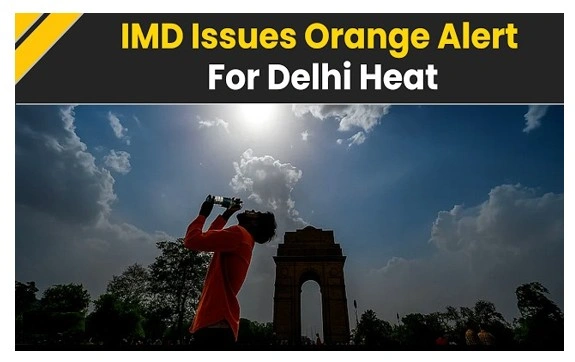
As an intense heat wave continues across the national capital of India, it has already led to an ‘orange’ level of alert from India’s Met Office (IMD) for both Delhi and also for the whole of National Capital Region of Delhi (NCR) region. In many parts of the city, it is already reported that about 45°C is the highest recorded temperature this mid-season intense heatwave pattern. Meteorological sources have warned that these extreme conditions are going to persist into next week and urged residents to be cautious and avoid direct sun exposure for too long.
Temperatures In Some Areas Of Delhi Have Exceeded 45ºC
Meteorological records show that at least a dozen areas throughout the city have reported temperatures between 44ºC & 46ºC. The prevailing hot air coupled with dry winds have made the conditions outdoors unbearable. Cities in both northwestern and southwestern Delhi saw a dramatic increase in temperature relative to normal daylight temperature bases due to dry air & large-scale movement of air from western deserts of Rajasthan and surrounding areas, and so have been identified as being the most significantly impacted by increased temperatures.
What Does the Orange Alert Mean?
An Orange Alert has been issued due to weather patterns that could potentially cause significant disruption to life (especially for children, elderly and those suffering from health issues) and possible current or future health concerns. The IMD has advised the public to drink plenty of water, not to go outdoors during the hot afternoon hours and to wear loose-fitting cotton clothing. Additionally, the public has been advised to use umbrellas, wear hats, and use other forms of protection while outside.
read also: Nuclear power plant in the United Arab Emirates atracked
Forecast continues to indicate a heat wave
Weather scientists believe that heat wave conditions could exist for some time into the future; forecasts indicate maximum daytime high temperatures in the area of 43°C to 46°C for the duration of time the heat wave lasts through the upcoming weekend. The IMD bulletin also indicates that strong surface winds at the rate of approximately 20-30 km/hr could also be blowing during day time, increasing discomfort.
read also: Modi flags decade of crisis
Effects on the daily lives of people
As a result of the extreme weather conditions, many people in the city have had their daily routines altered. Streets and markets were relatively empty during the day because many people chose to remain inside their homes. The use of air conditioners and coolers has resulted in a major increase in electricity demand. There has also been a major increase in water use and water consumption because of rising temperatures related to the heat wave.
Experts in health have cautioned that long-term exposure to high temperatures can cause dehydration and/or heat exhaustion or heat stroke; hospitals in Delhi have received reports of increased numbers of patients experiencing dizziness, fatigue, headache, and other signs of dehydration. Authorities are particularly concerned about the number of people who work outdoors (especially those who provide service) who would be exposed to direct sun for long periods of time, such as: outdoor workers, traffic personnel, delivery people, and the homeless.
read also: India Makes First-Ever Seizure of Jihadi Drug
Schools and Public Warning
Many schools remain open in many locations; parents are concerned about children travelling during peak heat hours. Authorities have asked schools to refrain from any outdoor activity and provide sufficient drinking fountains on campus.
The Delhi government and health organisations have provided public warnings for residents to:
- Drink sufficient fluids even if not thirsty
- Avoid direct sun between 12:00 and 4:00 PM
- Eat light meals and consume seasonal fruits
- Avoid strenuous outdoor activity
- Never leave children or pets unattended in a parked vehicle.
These precautions are intended to reduce the incidence of heat related illness as temperatures continue to rise.
North India Also Under Heat Stress
Many cities in the Northern and Central parts of India are experiencing extreme heat, not only New Delhi. These states include Rajasthan, Uttar Pradesh, Punjab, Haryana, and Madhya Pradesh. In parts of Uttar Pradesh, the temperature has been reported as high as 48°C, resulting in the issuance of red alerts for some areas.
Meteorologists indicate that relief from the significant heat is not anticipated unless there was an ample amount of rainfall or a western disturbance. Residents of New Delhi are being encouraged to stay aware of and take steps to protect their health and safety while they are being impacted by the heatwave.
