


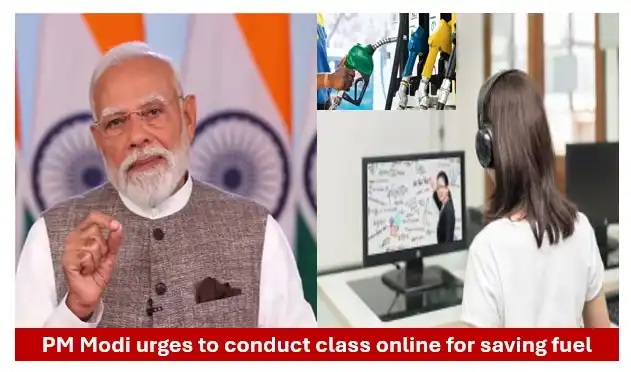
In an effort to save on fuel consumption and lessen the burden on India’s foreign exchange reserves, Prime Minister Narendra Modi has urged educational institutions, workplaces and individual citizens across the country to utilize the same strategies adopted during the pandemic as an added way of conserving fuel.
This appeal comes at a time where rising tensions in the Middle East due to oil supply cutbacks and rising global crude oil prices have raised cause for concern with regard to disruptions in the supply of fuel.
Fuel Conservation Priority
Modi, while speaking at a rally in Hyderabad, urged that all concerned must work together to coordinate efforts to sustain India economically in light of growing international conflict. Citizens were urged to limit their use of petrol and diesel and, when possible, to use public transportation (such as through use of Metro rail) to electively reduce their carbon footprint. Additionally, recommends carpooling and using electric vehicles be encouraged.
In closing, the Prime Minister reaffirmed that if all citizens made small lifestyle changes for one year, those collective efforts would yield considerable savings in foreign exchange for India, while reducing India’s vulnerability to the current geopolitical climate.
read more: Explosive Items Discovered on PM Modi’s Convoy Route
Push for Online Classes and Virtual Meetings
The primary element behind Modi’s appeal was the proposal that educational institutions should re-consider doing classes via online platforms like they did during the COVID-19 pandemic. According to the Prime Minister, this will help decrease travel and fuel costs for people each day.
India successfully transitioned to the digital realm during the pandemic and, he indicated, this was now the way to go for a temporary measure in the interest of national pride.
He has also asked Private Companies as well as Government agencies to use a work from home approach as often as possible, as well as changing from having face-to-face meetings to having virtual conferences as well as making video calls.
“During the Corona period, we have created a number of working systems, such as Work From Home, Online Meetings and Video Conferences; and now they must be put back into place,” said Modi during his speech.
read more: PM inaugurates 594 km Ganga expressway worth 36,230 Crore
The Global Crisis Defines Modi’s Appeal
The Prime Minister’s comments come at a time of escalating turmoil in the West Asia Region, along with fears of the dislocation of the global oil supply chain, particularly through the Strait of Hormuz. The ongoing violence between Iran, Israel and the United States has created uncertainty about the price of crude oil around the world.
India is a major importer of crude oil and therefore will be greatly impacted by fluctuations in international oil prices. If import costs rise this will have effects on inflation, transport costs and India’s foreign exchange reserves. The Government officials have stated that there are no fuel shortages in India and that we have been sourcing fuel from other countries or companies around the world.
Modi has also encouraged individuals to conserve fuel, delay non-essential foreign travel, avoid costly or extravagant foreign weddings for this year, and limit their non-essential purchases of gold to assist with reducing the pressure on foreign exchange outflows.
read more: Retired IFS Officer’s Name Deleted from Voter List in WB
Public Response Discussion
The Prime Minister’s statements have caused a lot of online discussion, particularly among individuals in the IT sector and students. Many on social media commented that the situation is similar to the COVID-19 lockdown period, where many were working remotely and learning online.
Some people were happy with the thought of flexible work arrangements, and believe this could result in decreased traffic congestion, reduced fuel costs and reduced pollution. However, other people questioned how effective the flexible work arrangements would be for individual workers in sectors where a worker must be physically present to perform a job; including small businesses, manufacturing, and daily wage workers.
Many people on social media have called for improvements to the public transport system and to the affordability of electric vehicles if the government wants to encourage people to reduce their use of petrol and diesel cars.
Centre Says There is No Fuel Shortage
The government said that the country is not going to have any immediate fuel shortages. The Ministry of Petroleum and Natural Gas officials said that the Prime Minister’s appeal was merely a precautionary and responsible measure taken for long term energy security, due to global uncertainties.
Union Minister Nitin Gadkari has backed the call for fuel conservation and has encouraged people to start using public transport on a more regular basis.
The government’s overall message is about responsible usage, reducing imports and increasing the strength of India’s economy during global uncertainty.
