


Consider for a moment the smartphone you may be reading this article on, the t-shirt you’re wearing for a cheap price last week, or the chocolate bar you picked up at the store when you were checkout. Every single day, we eat them, without even knowing that they have been created by human hands. However, were we to follow those supply chains right back to the dirt, we would be confronted with a lot of unpleasant facts.
Children are behind the staggering proportion of the world’s global commodities. Children who ought to be at a school desk or in a yard playing, but are swinging pickaxes, picking cotton or handling dangerous chemicals.
The unvarnished truth about child labor, why child labor persists, and what will be needed to end child labor.
The Difference Between Chores and Labor
The distinctions between labor and chores are important.Chores are clearly different from labor.
A huge misunderstanding that needs to be cleared up from the start. What experts are referring to when they say “child labor” is a child working in a job that is beyond their level of ability.An expert talking about “child labor” isn’t talking about a teenager working at a local diner or about kids doing chores for an allowance around the house. The things build character and responsibility.
The definition of child labour is very narrow: work that robs children of childhood, their potential and their dignity. Work that is mentally, physically, socially or morally hazardous.
read more: What Is the 5-Finger Breathing Technique?
The Root of the Problem: Poverty Not Bad Parenting
From a privileged position, one can ask the question, “Why would parents send their children to work in a sweatshop or a mine? Unfortunately, most parents don’t want their children working. They have little choice but to do so because of very poor living conditions. If an adult works all day picking coffee beans or harvesting cocoa, and they don’t earn a living wage, it doesn’t add up. But the children have to work, too, or the family will starve. Child labour is not a failure of parenting, but a failure of the economic system.
Additionally, child labor surges during times of crisis. Children are always the most vulnerable, whether they have been displaced by extreme climate events, a part of a region divided by armed conflict or families who have been economically battered by high inflation. Children are forced to enter the labor market as schools shut or become inaccessible, striving to survive with their families.
read more: Jammu & Kashmir Wraps Up 4th Mega Lavender Festival
The Hidden Supply Chains
Child labour is often associated with the Industrial Revolution – a thing of the past and a Charles Dickens novel. However, it is taking place currently in the present times and it has become part of the modern industrial practices.
- Agriculture: It is most of all Agriculture. 70% of all child work is in farming. We’re referring to the cocoa plantations in West Africa that feed giant chocolate manufacturers, the coffee fields in Central America that power the global fast fashion industry, and the fields of cotton that provide the raw material for large apparel producers.
- Mining: The green energy transition is amazing but there’s a dark side to it: Mining. Many cobalt miners in the Democratic Republic of Congo work in unregulated tunnels with their bare hands, often children in the field.
- Manufacturing: Children are employed at factories, which often lack adequate ventilation and room, and they make soccer balls or carpet, usually to pay off debts that their parents owe.
read more: Uttarakhand’s Valley of Flowers Reopens for Tourists
The 2026 Reality Check
In 2026, the World is facing a deadline. Child labour must be eliminated in all forms by 2025, as required by the United Nations Sustainable Development Goals (SDGs) (Target 8.7).
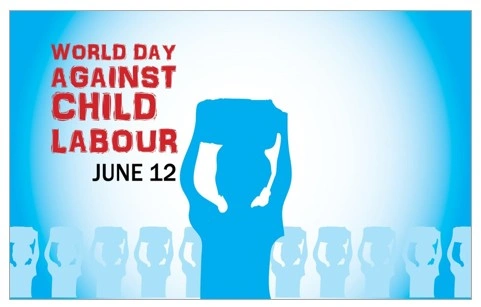
Well, that’s just not us! In fact, the number of children working has not decreased due to economic instability and global conflicts; it has only stayed the same and in some places it has increased. This year, World Day for the Prevention of Child Labour is not a well-intentioned reminder of the dangers of child labour, but more of a blaring fire alarm, and its scheduled date for 2026 is a reminder of that. There is a need for a huge speed up in the response of the government and the corporate sector to human rights.
How We Actually Fix It
This is a massive problem and it takes a complete overhaul of the systems that enable it to occur. It calls for more than boycotts, it calls for rebuilding the foundation.
- Living Wages for Adults: The silver bullet is. If the adult is paid a living wage for his/her labor, there is no need for the child to work at all.
- Free, Accessible Education: School should be free, safe and accessible. High parental motivation to keep their children in school when high expenditure on education and free school meals are provided.
- Corporate Transparency: It no longer will do to say “we don’t know” about corporate transparency. The laws should require corporations to audit their entire supply chain, extending even to the level of raw materials, to ensure that no child labor was used.
What you can do in the fight
You may think you’re like a small cog in a big economic machine, but you have leverage. You spend your money, you vote.
When purchasing chocolate, coffee and other high-risk items, consider them first for certification such as Fairtrade or Rainforest Alliance. Help brands that are taking proactive steps to be very transparent about their supply chain. Expect more from your favorite companies and champion organizations that are creating school buildings and eradicating poverty abroad.
