


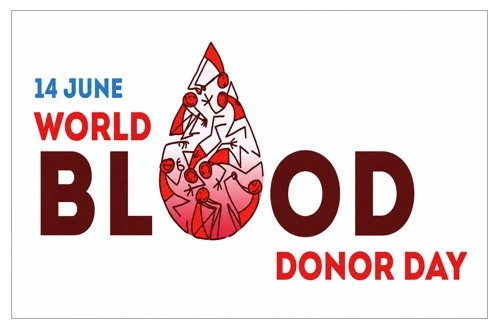
On June 14, the world is looking to you for a lifeline; a drop of your blood. The world is in dire need of your blood donation this June 14.
Blood is needed for someone every 2 seconds worldwide. This is a statistic that everyone knows, but whose reality is seen in the grim silent corners of our hospitals. It can be the mother who suddenly has complications during labour, the teenager after a car accident who needs a rush to the operating table, the child with a type of blood disease called leukaemia who needs regular blood transfusion to avoid debilitating pain, or the patient with a type of blood disease called sickle cell disease who depends on regular blood transfusion to avoid debilitating pain.
Blood is not the product they can produce in the laboratory for these people. It can not be manufactured or made in a factory process. It’s the only place this fluid can be found: The human heart–the giving of a part of oneself by one person who sits in a chair, rolls up his sleeve, and gives to a complete stranger.
The World Health Organization (WHO) this year has launched a new slogan—“One Drop of Humanity. Give Blood. Save Lives.”” This year’s theme breaks away from the formal and cold clinical jargon of medicine and places blood donation back where it belongs: among the ways we care for one another and show compassion and solidarity.
Why June 14 Matters: The Man Behind the Science
It isn’t an arbitrary date for World Blood Donor Day. It is the celebration of the birthday of the noble prize-winning scientist Karl Landsteiner born on 14th June 1868. Landsteiner is the discoverer of ABO blood group system. Prior to his revolutionary research, blood transfusion was a risky game of chance, and in many instances, a lethal patient reaction was a reality.
Transfusions are safe, thanks to Landsteiner’s science, but possible thanks to human generosity. Today, this day has two main objectives: to demonstrate the gratitude we owe to our millions of regular, voluntary and unpaid donors who keep our health systems alive and to call the rest of the world into action.
You may also like:
- Jammu & Kashmir Wraps Up 4th Mega Lavender Festival
- Uttarakhand’s Valley of Flowers Reopens for Tourists
- Gut health trends that do more harm than good
The Invisible Crisis: Shortages and Severe Inequity
Medical technology has come a long way, but the world’s blood supply is very fragile. On average, approximately 120 million blood donations are collected worldwide each year. But the access to it is extremely unequal and unfair.
Recent WHO data shows that almost 40% of all blood donations are collected in high income countries, which account for only 16% of the world’s population. By contrast, in low and middle-income countries, low and chronic food shortages are a reality. Unfortunately, in these areas the lack of blood access directly equates to increased mortality, especially for mothers during childbirth and severe anemia in children from malaria or malnutrition.
The system is very sensitive to seasonal disturbances even in rich countries. During the summer months, blood banks are sorely impacted by decreases in blood donations as people go on vacation, schools close and routine schedules are disrupted. But emergencies don’t always stop in the summer.
Moving Away from the Emergency Mindset
This year, the main target of the health authorities is the concept of “Normalization of Voluntary Blood Donation”. The only time many people consider donating blood is when a big news story about a disaster occurs or when someone in their family is in trouble. Replacement donations from panicked family members work in a crisis, but aren’t a viable solution for operating a health system.
Regular, unpaid donors are the safest and most reliable blood donors, health experts say, especially those who give blood on a voluntary basis. If two or three percent of the population of a nation is willing to donate blood just twice or thrice a year, emergency blood shortage will cease to be a worry.
Additionally, a varied and reliable donor pool is vital to blood matching. Doctors have to match subtle genetic markers, apart from the typical blood types (A, B, O and AB), when patients with chronic conditions like thalassemia or sickle cell disorder require lifelong transfusion. Because there are many communities that are giving donations, you will be able to find a match that is perfect for every patient without keeping anybody waiting for a dangerous period.
