


Cyclone Ditwah has grown stronger over the southwest Bay of Bengal and is slowly making its way to the coast of India. Early predictions say that the storm will hit land between the coasts of North Tamil Nadu and South Andhra Pradesh early on November 30. Heavy rain and faster winds are already happening in some coastal areas as the storm moves forward.
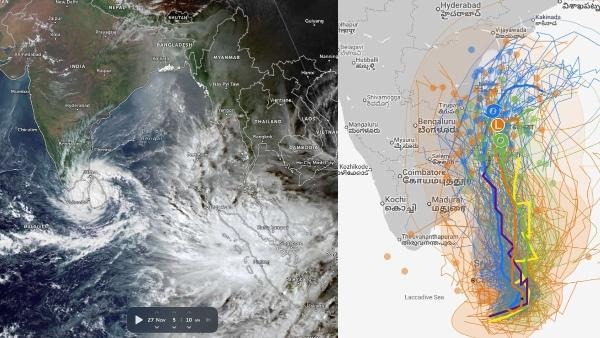
The storm formed after it went close to the coast of Sri Lanka, where it caused a lot of damage and floods. As it continues to move towards India, the storm is getting stronger, which is why emergency reaction systems have been set off in several states.
IMD Sends Out A Warning About Heavy Rain and Strong Wind
The India Meteorological Department says that the winds will be strong, running from 65 to 85 km/h, and gusts could get even stronger when the storm hits land. The sea has become rough, and fishermen and people who live near the coast have been told to stay away from the shore until things calm down.
Chennai, Puducherry, Cuddalore, Chengalpattu, Tiruvallur and some parts of South Andhra Pradesh are going to get a lot of rain. Authorities in some areas have started moving people out of low-lying areas and setting up temporary shelters in case of an emergency.
Read also:
- Which Country Has the Most Mountains in the World
- Most underrated indian city to live and work
- How weather change in 2026
Rescue teams are ready to go in many southern states
In areas likely to be hit by disasters, NDRF teams, state disaster forces, and emergency units have been sent to assist. Lakes, areas likely to flood and major roads and highways are all being monitored by the government. Many places will likely have trouble with power, roads, and water after the storm.
Every hour of every day, hospitals, control rooms, and emergency contact hubs work together to make sure that relief efforts go smoothly. Some schools and colleges have been closed because of the risk.
The Sri Lankan devastation worries India.
Cyclone Ditwah devastated Sri Lanka before hitting India. Flooding, collapsed buildings and powerful winds killed several and forced many to evacuate their homes. The devastation has worried Indian coastal authorities, who are making additional arrangements.
In seaside towns, disaster management teams are spreading the word that people should move inland if they have to and stay inside during strong winds.
Important for Impact: The Next 24 Hours
It is believed that the storm will get stronger before it hits land. The coasts of Tamil Nadu, Puducherry, and Andhra Pradesh are now on high watch. Officials are telling people to keep up with weather warnings, stay home if they don’t have to, and follow evacuation orders if they are given by local officials.
We’ll let you know more as Cyclone Ditwah gets closer to the Indian coast.
