


Ask a bunch of people which country has the most mountains. Many will say Switzerland, Nepal, or Peru. The real answer is not so simple. It depends on what you mean by “most.” Is it the highest mountains, the biggest area covered by mountains, or the greatest overall height? The country that comes out on top for most scientific ways of measuring this is a small kingdom in the Himalayas. People often do not think about it in these talks.
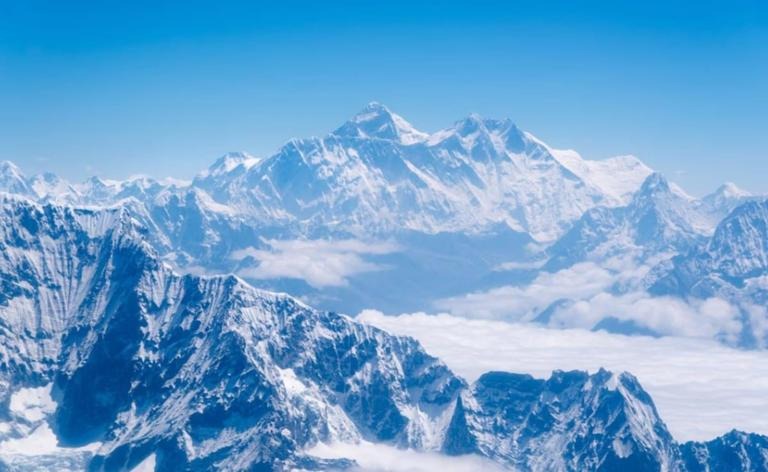
To see why this happens, we have to look at how people collect mountain data. We also need to see what mistakes lead people the wrong way. Then, we can find out which countries really have the most mountains in the world.
How Scientists Measure Mountainous Countries
Before ranking countries, it is good to know how geographers and geologists measure things. Mountain facts can change. This depends on what words and ideas people use to tell what a mountain is.
1. Mountain Coverage
This is about the part of a country’s land that is called mountain land. The things used to decide this are:
- How steep the slope is
- A quick change in height
- The difference in land height
Countries that have a lot of flat land often get a lower score. This happens even if there are some mountains that are well known in them.
2. Average Elevation
This is the mean elevation of the entire country. Nations that have little lowland area will be higher on the list.
3. Peak-Based Rankings
These rankings focus on:
- The world’s tallest single summits
- How many high-up peaks a country has
- Mountain claims that are based on borders
A country can have a low score when it comes to the amount of mountains it has. But at the same time, it can score very high for the height of its tallest mountain.
These differences show why Bhutan is at the top in many areas. It is not Nepal or Switzerland that holds the first place in several categories.
Top 5 Mountainous Countries in the World
1. Bhutan: The World’s Most Mountainous Country
Almost every way you look at it, Bhutan is the best in the world for its mountain areas. A high 98.8% of it is made up of mountain land, which is more than any other place.
Quick Snapshot
- The country has more mountains than any other place in the world.
- The average height above sea level is over 3,000 metres (10,000 ft).
- Gangkhar Puensum is here. It is the tallest mountain that is still unclimbed in the world.
- Almost 70% of the land is covered in forests.
- It is the first country to have less carbon in the air than it puts out.
Bhutan sits between India and China. The country is in the Himalayas. People live in villages and work on farms on steep hills. There are also old monasteries on these slopes. The land here has changed over the years because of big movements in the earth.
Cultural Policy: Protecting the Peaks
Bhutan has some of the most sacred mountains. People are not allowed to climb peaks that are over 6,000m. The country wants to keep the spiritual purity of these places. Because of this rule, Gangkhar Puensum is still not climbed.
Sustainable Tourism Approach
Visitors pay a USD 200 Sustainable Development Fee every day. This money helps:
- Take care of natural ecosystems
- Keep tourist numbers low
- Save cultural ways
Bhutan is more than just a land with big mountains. It is a place where people really care for nature and their culture.
2. Nepal: Home to the Tallest Mountains on Earth
While Bhutan is ahead in how much area it covers, Nepal stands out for being the highest. There is no country that is higher than Nepal.
Quick Summary
- The country has 8 of the world’s 10 tallest mountains.
- The average height of these mountains is just a little lower than in Bhutan.
- It is known all over the globe for trekking and mountaineering.
- The mountains are a big part of the culture and religion here.
Nepal’s Famous Tall Peaks
- Everest: 8,848.86 m (29,035 ft)
- Kanchenjunga: 8,586 m
- Lhotse: 8,516 m
- Makalu: 8,485 m
- Cho Oyu: 8,188 m
Geological Background
Nepal is in one of the most active tectonic zones in the world. The Indian plate and the Eurasian plate meet here. They keep pushing the Himalayas to get higher every year.
Cultural Significance
Mountains feel special for many people. Treks in these places often start with rituals and prayers. This shows how closely these journeys are linked to the spirit.
Tourism Impact
Trails like the Annapurna Circuit, Everest Base Camp, and Langtang Valley bring people from all over the world. They come to see these places. These trails be very important for Nepal’s economy.
3. Tajikistan: Central Asia’s Towering Terrain
Tajikistan comes third with 91.9% of its land covered by mountains. The country is shaped by the Pamir Mountains. People often call these mountains the “Roof of the World.”
Snapshot
- Average elevation: 10,455 ft
- Highest peak: Imeni Ismail Samani (24,590 ft)
- There are a lot of earthquakes here because the area sits on active seismic belts
Tajikistan has some tough and rough mountains and land. This makes it one of the most eye-catching and changing, natural places in Asia.
4. Kyrgyzstan: Land of the Tien Shan
About 90.7% of the land in Kyrgyzstan is covered by mountains. People often say this country is “born from stone.”
Highlights
- The Tien Shan range is the main mountain group here.
- The highest peak is Jengish Chokusu, which is 24,406 feet high.
- There is a lot of change over time because of tectonic uplift and erosion.
Kyrgyzstan is a place with young mountains. The land there has high ridges, steep sides, and deep valleys.
5. Lesotho: Africa’s Only Country Entirely Above 1,000 Metres
Lesotho is the highest country in Africa. About 90.5% of the land is covered by mountains. None of the land is lower than 1,000 meters.
Key Points
- Average elevation: The land is about 7,090 ft high in most places.
- Highest peak: Mount Ntlenyana rises up to 11,424 ft.
- The country is surrounded on all sides by South Africa.
The Maloti and Drakensberg ranges shape the culture and climate in this area. They also guide the way people grow food here.
Why Mountains Matter to These Nations
Tourism & Economy
Mountain tourism fuels economies through:
- Trekking
- Skiing
- Adventure travel
Countries like Nepal and Bhutan depend a lot on tourism in the mountains. This helps many people in rural areas earn money.
Cultural Identity
Peaks are important national symbols. People see them as spiritual signs and places from history. In many Himalayan towns, mountains help shape local rituals. Festivals and the values the community shares also come from the mountains.
Agriculture & Livelihood
Steep terrain limits farmland.
- Bhutan and Lesotho use small farming areas.
- Nepal relies on valleys and stepped hills for farming.
Climate Influence
Mountains cause climate to change very fast. It can feel like a tropical place in one spot, then turn cold like the arctic just a short way away.
Key Takeaways
- Bhutan has the most mountains when it comes to both total area and steady heights.
- Nepal is known for having the highest peaks.
- Tajikistan, Kyrgyzstan, and Lesotho are also among the top countries that rise up high.
- Many people guess places like Switzerland or Peru. But these guesses are often wrong because people believe things that aren’t true.
- Mountains have a strong effect on the way people live, the weather, jobs, and who people feel they are in these places.
