


When we plan to move to a new city in India, metros such as Mumbai, Delhi, Bengaluru and Pune often come to mind. The upside to these cities is that they have become extremely expensive places to live, with terrible traffic and high stress. In 2026, others are looking for something else — somewhere that isn’t wildly expensive to live, where the economy is still growing and things aren’t quite so stressful. The growth of remote work, regional start-ups and better infrastructure has also made cities that were previously overlooked much more attractive.
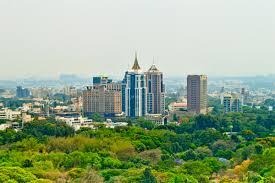
As of today, here is closer look at some of the most underrated cities in India as far as affordability and quality lifestyle are concerned in 2026:
Coimbatore, Tamil Nadu
Known as the “Manchester of South India”, Coimbatore is a major hub for textiles, and other industries known for its factories, engineering firms and motor sports.
Why it’s underrated:
- Cost of living is much cheaper compared to both Chennai and Bengaluru.
- Rental apartments are modern and spacious, often at half of the metro cost.
- The city itself is neat, there isn’t too much traffic and life plods along rather tranquilly.
Lifestyle perks:
- Its proximity to hill stations such as Ooty and Kodaikanal make for great weekend getaways.
- A bustling café scene and an increasing number of co-working spaces serve the remote working community.
- “You have great schools so it’s very family oriented.”
Work opportunities:
- It is centered on engineering and manufacturing, but IT and start-ups are making inroads.
- Freelancers have a plethora of co-working spaces with good internet.
Read also:
- Which Country Has the Most Mountains in the World
- Night Owls of 2026
- When Teens Close the Door: Five Parenting Mistakes That Create Distance
Indore, Madhya Pradesh
Indore is one of India’s cleanest cities and has been in the spotlight for its all-round urban development.
Why it’s underrated:
- Incredibly cheap housing and utilities in comparison with Mumbai or Delhi.
- Good public transportation and quick commutes.
- Safe neighborhoods and friendly communities.
Lifestyle perks:
- Culinary heaven: There is no street food scene better than Indore’s.
- The city is full of cultural events and fairs, animated but not chaotic.
- Parks, lakes and green areas offer space for relaxation and outdoor activities.
Work opportunities:
- Increase of IT and service job, incubation for start-ups.
- Inexpensive coworking spaces draw remote workers and freelancers.
Mysuru, Karnataka
The cultural capital of Karnataka, Mysuru is the ideal mix of old-world charm and modernity.
Why it’s underrated:
- It is good for families, thanks to low real estate costs and quieter neighborhoods.
- Fewer traffic and pollution issues than Bengaluru.Transport Office: Why choose us?
- Excellent healthcare and education facilities.
Lifestyle perks:
- It is known for its yoga and heritage walks and cultural festivals.
- There is also the scenic backdrop of lush gardens and the Chamundi Hills.
- Local cafes and markets, historic sites give you the ultimate live!
Work opportunities:
- The city has few corporate offices, but much remote work and IT-related services.
- Entrepreneurs and new startups gain by inexpensive running costs.
Dehradun, Uttarakhand
Dehradun, tucked in the Himalayan foothills, offers a mix of nature and urban value.
Why it’s underrated:
- Cost of living is quite moderate as compared to Delhi or Chandigarh.
- Pure air and picturesque environs are conducive to health.
- The population density is low enough so that commuting isn’t a headache.
Lifestyle perks:
- Near hill stations such as Mussoorie and forest trails for weekend outings.
- Booming café culture and wellness retreats.
- Educational center with best schools and coaching centres.
Work opportunities:
- Government, education and IT services are key sectors.
- Freelancers and remote workers increasingly flock here for a slower way of life.
Bhubaneswar, Odisha
Bhubaneswar is fast becoming an IT and education hub yet has a leisurely life style.
Why it’s underrated:
- Houses everyone can afford; day-to-day costs people can manage.
- Broad streets, new infrastructure and drivable congestion.
- Safe neighborhoods and community-friendly spaces.
Lifestyle perks:
- It’s rich culture, temple and traditional Festivals.
- The coast, which includes beaches like Puri and Konark where day visits are possible, is near by.
- Developing cafes/restaurants/recreators.
Work opportunities:
- An IT parks and start-up incubators are building a strong tech ecosystem.
- Similar job opportunities combined with better government jobs and schools are available in the education and government sectors.
Kochi, Kerala
Once a mere port city, Kochi has evolved into that urbanized core of modern comforts yet retaining that coastal Kerala’s charm.
Why it’s underrated:
- Low cost of living as compared to metro cities.
- Blend of modern urban facilities and conventional way of life.
- Excellent healthcare and connectivity.
Lifestyle perks:
- Lovely backwaters, beaches and art festivals.
- Flourishing café scene, boutique shopping and co-working spaces.
- Perfect for anyone who wants to slow down and enjoy the culture.
Work opportunities:
- IT Parks such as Infopark offers remote-friendly job opening.
- Business opportunities will still be provided by tourism and trade.
Chandigarh (Pockets Often Overlooked)
Chandigarh Despite it being a well known city, Most people still think the city is expensive. Yet suburbs like Zirakpur and Mohali are surprisingly affordable.
Why it’s underrated:
- A fair amount of infrastructure in place to keep traffic minimal and roads looking great.
- If you are new to the city, modern apartment complexes are well-priced elsewhere: away from the center.
- Green, clean and well-ordered urban living.
Lifestyle perks:
- Extensive green belts, Sukhna Lake and recreational parks.
- Coffee shops, shopping malls and cultural events.
- Best way of life, safe and community oriented.
Work opportunities:
- Jobs come from IT hubs in Mohali and corporate, office jobs.
- Freelancers can work from co-working spaces with high-speed internet.
Why Stuck-in-the-Middle Cities Are Best in 2026
- Affordability: More space, modern apartments and improved amenities for well less than metro prices.
- Improved Work–Life Balance: Reduced commute stress, quiet neighborhoods and slower urban pace.
- Growing opportunities: Start-ups, IT parks, remote work and government initiatives are moving the change past metros.
- Health and Wellness: Clean air, green spaces and proximity to nature make people healthier in body and mind.
- Community and Culture: Smaller towns are tight-knit communities retaining their local festivals and culture.
Final Thoughts
By 2026, India is in the midst of an urban awakening. Cities that used to be described as “offbeat” are being drawn into the orbit of places where people want to live, work and raise a family. Scattered across Coimbatore, Indore, Mysuru, Dehradun, Bhubaneswar and Kochi (and the suburb of Chandigarh), they are a combination of affordable opportunity and lifestyle. For those ready to escape packed subway cars, these unsung cities are not just alternatives — they are places where life feels (dare I say) livable and worthwhile and even fun.
The right choice of city isn’t mainly about jobs or salaries; it’s about quality of life, peace of mind and the chance to flourish without misery-inducing stress. These are the cities that in 2026 offer that rare balance, and for modern Indian professionals, they are hidden gems.
