


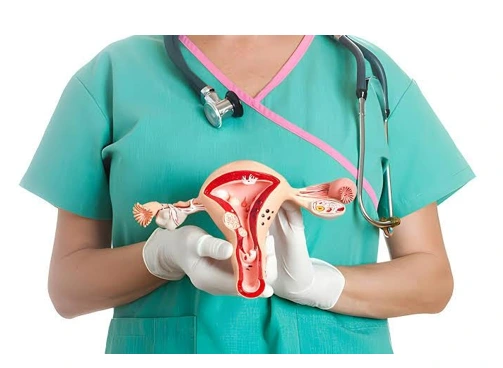
Cervical cancer, one of the most preventable forms of cancer in women, can be avoided through vaccination, routine screening, and maintaining good health practices.
Cervical Cancer Risk Factors
Several factors can affect a woman’s chances of developing cervical cancer, including:
- Beginning sexual intercourse at a young age
- Multiple sexual partners
- Weakened immune system
- Exposure to cigarette smoke
- Using oral contraceptives for an extended period of time.
Cervical cancer typically occurs when there is cellular mutation of abnormal cervical cells; the most frequent cause of this process is a persistent HPV infection. Additionally, regular screening and vaccination for HPV can help prevent cervical cancer.
1. HPV Vaccination
- Most women with cervical cancer have HPV (human papillomavirus).
- HPV vaccinations offer protection against the high-risk types of HPV that lead to cervical cancer.
- The vaccine is recommended for children ages 9 to 14 prior to initiating sexual activity, though it can also be administered to those ages 15-45, based on a doctor’s recommendation.
- Even after being vaccinated, women should continue to have a Pap test for cervical cancer screening purposes.
- Vaccinating against HPV is one of the most effective ways of preventing cervical cancer.
2. Regular cervical screening
- Regular cervical cancer screening is essential for early detection of abnormal cell changes prior to becoming malignant.
- Cervical cancer screenings can be done via both the Pap test for detection of precancerous cell changes and the HPV DNA test for identification of high-risk HPV infection.
- Screening should begin at 21 years of age and take place every three to five years, depending upon age and testing procedure.
- The earlier a person is diagnosed with cervical cancer, the higher their chance of survival.
3. Practice safe sexual behaviour
- When considering the prevention of HPV transmission, the most effective method is to engage in safe sexual behaviors.
- HPV is primarily transmitted through sexual contact.
- Using a condom will lower the likelihood of becoming infected with HPV.
- Limiting the number of sexual partners will also significantly lower one’s chances of contracting HPV.
- Delaying sexual activity will significantly reduce the likelihood of contracting HPV as long as you wait until you are in a committed relationship before engaging in sexual activity.
- While condoms do not give complete protection from HPV, they do greatly reduce the risk of contracting HPV.
4. Avoid smoking
- It is also important to not smoke tobacco products.
- Tobacco use will weaken immune function and negatively affect the health and integrity of cervical cells.
- Additionally, tobacco use increases the chances of contracting cervical cancer.
- Quitting tobacco improves the overall functioning of the immune system.
- Avoiding second-hand smoke is also important.
- Individuals who do not smoke are at much less risk for developing cervical cancer.
5. Maintain a Healthy Immune System
- A healthy immune system can help your body naturally fight HPV infections.
- Eating a variety of fruits and vegetables will provide you with the nutrients necessary for a strong immune system.
- Regular physical activity will also help keep your immunity strong.
- Having effective stress management techniques will help you have a better immune system.
- Getting sufficient sleep will improve your ability to clear a virus, including HPV.
- Promptly treating infections can help your body get rid of the virus before it can harm you.
- A well-functioning immune system will help clear HPV from your body before causing damage.
6. Manage long-term use of oral contraceptives
- Using oral contraceptives for extended periods of time may put you at a slightly increased risk for developing cervical cancer.
- Discuss long-term birth control with your doctor.
- Weigh the potential risks versus the potential benefits of hormonal contraception based on your specific health history.
- Consult your doctor.
7. Regular health (antennatal) visits while pregnant
- Women with multiple pregnancies may be at a higher risk for cervical cancer.
- Attend regular antenatal visits.
- Follow your doctor’s recommendations regarding your reproductive health.
- Follow these guidelines to monitor for any potential issues as early as possible.
Waking Up Between 3 AM and 5 AM Could Signal Underlying Health Issues
8. Education and Awareness
- You are empowered to help prevent cervical cancer through education.
- Learn about the signs and symptoms associated with cervical cancer.
- Encourage screening with your friends and family.
- Seek medical attention if you experience any of the following symptoms:
- Abnormal vaginal bleeding
- Pelvic pain
- Taking action when you are aware of something will lead you to take action when it occurs.
What Your Legs and Feet Can Reveal About Hidden Health Issues
Conclusion
Cervical cancer is mostly preventable through HPV immunization, regular cervical cancer screening, safe sexual practices, and healthy lifestyle choices. Strategies for early detection and prevention will greatly reduce the morbidity and mortality associated with cervical cancers. All women should take steps now to be proactive towards their cervical health.
