


Winter Pollution and Your Gut: Essential Lifestyle Changes to Stay Healthy
The majority of people believe that air pollution is harmful for the heart and lungs. New science data, on the other hand, shows that its effects go far beyond these systems. More and more researchers and doctors are realizing that the gut is a major but underrated target of toxicants in the air.
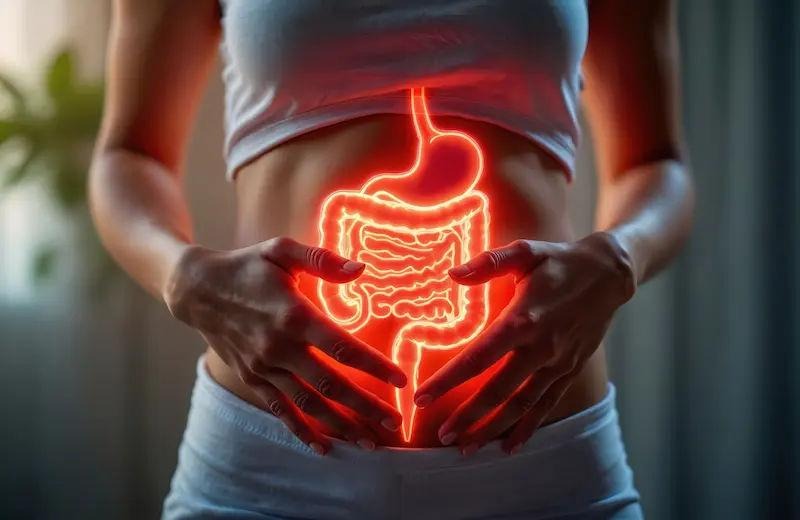
According to a study published in Environment International, being exposed to polluted air for a long time can change the gut microbiota’s make-up and function in big ways. This can increase the risk of digestive problems, metabolic diseases like diabetes and obesity, and other long-lasting inflammatory conditions.
Polluted air hurts more than just your lungs; it hurts your gut too. As smog levels rise, they cause inflammation, lower the immune system, and make eating more difficult. If you want to protect your gut health during months with a lot of pollution, try these six changes to your lifestyle.
Read Also: Why a 15-Minute Walk After Meals Boosts Sleep and Heart Health
How smog changes metabolism
Delicate particulate matter (PM), ground-level ozone, carbon monoxide, and other dangerous pollutants make up smog. Dr. Parashar says that these tiny particles “enter deeply into the lungs and bloodstream,” which sets off a chain reaction of damage that includes oxidative stress, systemic inflammation, and changes in hormones. Over time, these problems make it harder for people to control their blood sugar, especially those who already have diabetes or are at risk for getting it.
“Pollutants also hurt cells by making free radicals and lessen physical activity by making lungs work less well, starting a cycle of metabolic stress,” he said. This makes it harder for people with diabetes to control their blood sugar.
The winter smog is back, and so are the news stories about people coughing, their eyes burning, and their chests getting tight. But there’s another organ that’s suffering in the background, out of sight: your gut. While we prepare ourselves for the harsh air outside, research shows that the polluted air is changing more than just our lungs. It’s also changing how our gut system works.
When you breathe in dirty air for a long time, it causes inflammation, oxidative stress, and changes in the gut bacteria. That imbalance can make you have trouble going to the bathroom, bloating, acid reflux, a weaker immune system, and even a higher risk of dangerous stomach illnesses. Scientists have found a reason why your stomach has been upset more than normal during the smog wave. This is a season with a lot of waste.
Here are some easy habits that have been shown to make a real difference.
- Stay very, very hydrated
Water is the fastest natural way for your body to clean itself out. Staying hydrated helps keep the intestines moving, lowers acidity, and removes toxins from the system. Natural drinks, like coconut water, can help your body digest food and keep your electrolytes in balance. - Eat real foods that are light and high in fiber
Inflammation caused by pollution makes digestion take longer. Dark leafy greens, fruits, oats, carrots, and veggie soups are all whole foods that feed good bugs and balance the gut.
3.Eat lots of things that are high in vitamin C.
One of the strongest protectors is vitamin C. It helps Vitamin E grow back and fights oxidative stress caused by dirty air. You should eat amla, oranges, bananas, drumsticks, parsley and cabbage every day.
- Take good bacteria every day
Good bacteria protect the lining of your gut. Probiotics, such as Lactobacillus casei Shirota (LcS), are known to help digestion and the immune system. - Get some rest and relax
There is a strong connection between your gut and brain. High cortisol slows down digestion and weakens gut bacteria. On days with a lot of smog, make time for sleep, plan breaks, practice deep breathing, and drink less alcohol. - Antioxidants can help keep your liver healthy
Your liver removes toxins, but it needs extra help during months with high pollution levels. Foods and products rich in functional antioxidants, such as glutathione, silymarin and NAC, can help combat oxidative stress.Nutrient-Dense, Detoxifying Foods Boost Immunity
The liver removes and neutralizes toxins, such as those from breathing dirty air. Antioxidant-rich foods, such as those high in glutathione, may help the liver work better and cause less reaction stress.Also, drinks that are made to help the body clean are becoming more common because they might be good for you.You need to take better care of your body, especially your gut, during pollution season. Some things that can help your stomach during the harmful months are a calmer mind, cleaner food, better sleep, and certain nutrients. If signs don’t go away, make changes to your lifestyle, clean the air inside your home, and get regular checkups. Listen to your gut. Pay close attention this winter.
