


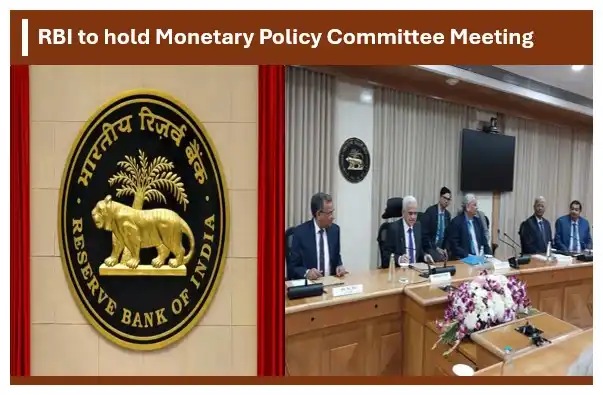
It was the morning of February 4, 2026; and all eyes were trained on Mint Street in Mumbai that day. When the six members of the Reserve Bank of India’s (RBI) Monetary Policy Committee (MPC) met for their first meeting of the year, it was an unusual huddle. It wasn’t just another dusty conversation about inflation targets; it was the biggest economic discussion since the revolutionary India-U. S. trade pact just 48 hours earlier.
Under its leader, Gov. Shaktikanta Das, the committee now faces negotiating a “Goldilocks” situation: an economy in the throes of newfound optimism but with volatile aftershocks from an unsettled global trade order. The move, which is expected on Feb. 6, will signal India’s fiscal health in a year that threatens to be nothing short of historic.
New Macroeconomic Variable: the “Trump-Modi” Effect
Normally, RBI tracks domestic CPI (Consumer Price Index) inflation and industrial production. But there have been two large new factors that the committee has to try take on board: these are due to the sudden shift in trade.
The Currency Surge
As the trade deal news broke, Indian Rupee gained sharply to the Dollar. And where as a stronger Rupee also reduces import costs (of products like electronics and machinery), it can make things rough for Indian exporters—the people the 18% reduction in tariffs was especially supposed to help. Now the MPC has to determine whether it needs to stop the Rupee from becoming too strong, too quickly.
The Energy Shift
With India promising to pivot from Russian oil to American and Venezuelan crude, the “import bill” equation has shifted. The American oil, though strategically wise, will frequently have a different logistical and financial structure than the discounted Russian barrels that India lapped up in 2024 and 2025. The MPC has to guess how this energy transition will affect the “input costs” for Indian manufacturers in the coming two quarters.
Inflation vs. Growth: The Never-Ending Tug-of-War
Even though markets are in a tizzy, the RBI is still the “lender of last resort” and the protector of price stability. The committee is currently staring down a divided reality:
- The Argument for a “Pause”: Inflation has stayed in the 4 percent to 5 percent range for several months now. Food prices, especially vegetables and pulses, have been tamed due to a good monsoon.
- The Case for a “Cut”: With this $500 billion of investment commitment, India requires humungous liquidity to create the infrastructure required for these fresh partnerships. A 25-basis point cut may reduce the borrowing cost of corporates and home-buyers and act as a “fuel to the fire” trade driven economy.
The “Human” Element: What This Does To the Average Joe/Green Beret
Behind the jargon of lending rates and liquidity adjustment facilities, it is a meeting with immediate ramifications for middle-class Indians. The tenor of the committee today will determine a range of things including your monthly EMI to how much money you earn on your savings bank account.
For the Homebuyer
If the MPC indicates a “Dovish” policy positioning (indicating they are looking to cut rates shortly), banks could be more amenable to cutting interest on home loans. For a family in Noida or Bengaluru, wanting to buy their first apartment, a 0.25% variance in interest can add up to saved amounts running into several lakhs over the tenure of the loan.
For the Retiree
On the other hand, most of the senior citizens live on their monthly income from Fixed Deposits (FDs). Good for growth, a rate cut is bad news for FD returns. The RBI has to draw that fine line between the interests of the “borrowing young” and those of the “saving elderly.”
For Small Business (MSME)
The American market has been opened by taking rates down to 18%. But a tiny manufacturer in Ludhiana requires working capital to expand production. The MPC’s decision on liquidity will decide whether that manufacturer gets a loan at 8% or 11%, which could make or break the manufacturer’s ability to meet new U.S. orders.
Digital Rupee and The Future of Fintech
A widely ignored aspect of the MPC meetings in 2026 was that on the Commitee’s agenda would have been the progress report on Central Bank Digital Currency (CBDC) or “E-Rupee”. As India transitions to a $5 trillion and subsequently to a $7 trillion economy, there is no doubt that making the Rupee available in digital form will make the currency more efficient.
Conclusion: The Pivot Point of Indian Finance
The MPC meeting of February 2026 may be recorded as the time India graduated from “defensive” monetary policy to “offensive” monetary policy. The RBI’s job for years was to shield the economy from global shocks. Now, armed with a historic trade deal and sitting atop the world investment table, the RBI is casting its gaze instead on how to catalyze growth.
Whether they keep rates unchanged or stun markets with a cut, there is a loud message coming out of Mint Street: India is back in play and the financial architecture is being shored up to bear the weight of a $500 billion promise.
