


The worldwide discourse on children, technology and mental health has hit a tipping point with government intervention at an all-time high. After years of rising anxiety and reports on the harm that long use of platforms like TikTok, Instagram and YouTube can cause to young people who are glued to them hour after hour, countries are taking a stand online. From Australia’s far-reaching world first ban on social media accounts for minors to greater legislative eye balls in the US, the days of self-regulation are most certainly over for Big Tech platforms. The fundamental point is unassailable: childhood’s formative stages need protection from algorithms that are optimized for addiction, not well-being.
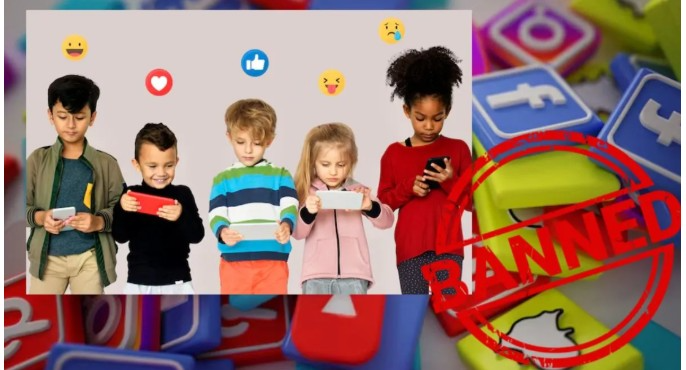
This current movement isn’t just about screen time; it’s about systemic defenses against what some Australian policy makers controversially call “behavioral cocaine” — a reference to the dopamine-driven, endless-scroll design of platforms. But as governments move to intervene, the real tug-of-war is between the well-documented developmental needs of children and the gargantuan financial imperatives of global technology companies.
The most radical legislative response yet is being pioneered by Australia. In a move being closely monitored by policy makers around the world, the country has introduced an all encompassing ban that prevents anyone under 16 from having accounts on social media. The law, which will come into force in December 2025, compels platforms to make “reasonable efforts” to confirm their users’ ages and could impose massive fines for those that do not.
This represents a radical break from the current global status quo, which generally depends on an age rule (13 is typical), implemented by platform operators, widely understood to be ineffective and easily circumvented. Advocates of the ban, like bereaved parents and public health authorities, say postponing exposure leaves teens with critical cognitive and emotional mainframes to blunt the effects of round-the-clock social comparison, cyber-bullying and harmful content.
But the ban has not been free from pushback â glaring, significant pushback. Critics and tech analysts are sounding a warning over potential unintended consequences. For one, some worry that such an outright block would send resourceful teens to less monitored, “darker” parts of the internet — where safety and responsibility are near nonexistent. Moreover, LGBTQIA+ youth advocacy groups for those at the margins note that these digital communities are often vital support systems for many young users that they cannot access in their offline communities. As well intended as the law may be, it must confront a practical reality: There are few things more feckless than deciding to ban a symptom when you have not yet been capable of curing that ailment.
Read also:
- No WhatsApp or Messaging App Access Without Your SIM in India
- DigiLocker Users Beware
- Google Chrome Fixes 13 Bugs
The United States: Pressure From Lawmakers, Action to the State-Level
And although the US hasn’t implemented a single, comprehensive federal ban that matches Australia, legislation is building across states and bipartisan pressure in Congress. Unlike Australia’s straight ban, US solutions also frequently lean on more parental control, limitations on features for platforms, and improved data privacy from the younger end of their user bases.
Several states are also seeking to ban minors from using social media without permission from a parent or guardian, or considering requiring platforms to use age-verification technology. At the federal level, key proposals have included increasing the minimum access age to 13 and banning addictive algorithmic feeds for users under 18. It is an attempt to reconcile an US tradition of free speech and open-inernet ideals with the need to make platforms accountable for a mental health crisis among young people.
The one thing that the regulation of these markets throughout the US seems to have agreed on is that the current model, exposing minors to such sophisticated harm-optimising algorithms, isn’t just gamed – it’s broken. US Surgeon General has declared that social media is not proven safe for children, and it’s now up to the tech industry to prove otherwise.
The Balancing Act: Safety versus Rights and Education
Its contrasting regulatory approaches — a flat-out ban in Australia and feature-and-consent-based regulation in the US — also illustrates the basic contradiction underpinning digital governance. The choice for those who favor tighter standards should be clear: protect the neurological development and mental health of a generation. They claim that if society has choosen to restrict products such as tobacco and alcohol until one is an adult, the same should be done for platforms which have proven negative addictive and psychological influences.
