


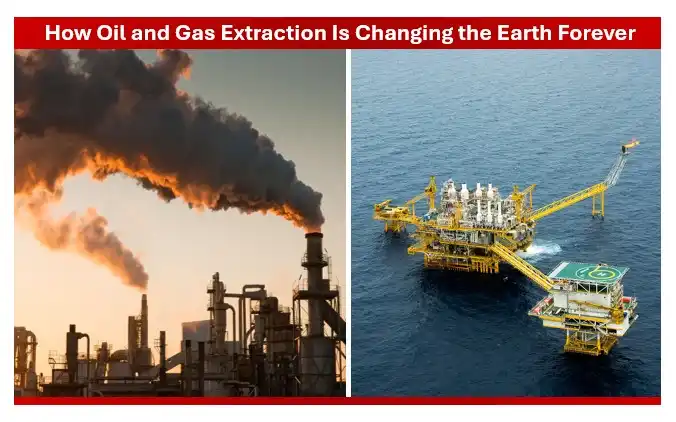
As climate change is affecting our current situation, it’s actually the consequence of human activities. Like many civilisation reasons, oil and gas drilling is one of the major reasons of global warming, pollution, and climate change.
Oil and gas drilling is an old method that has been affecting our environment for years. The good thing is that many companies and oil profit websites are changing there process to make them more sustainable.
However, there are many people who are not aware of this effect. If you are one of them, we are here to help you out. By reading this article, you will be able to understand how crude oil, gas, and oil drilling are becoming dangerous for the earth.
What is Oil and Gas Drilling?
In simple words, gas drilling is a process to find a natural gas reservoir by fracturing the earth’s surface. Well, sometimes reservoirs include natural gas and crude oil. This drilling process is usually done by hydraulic fracturing.
However, the process inserts a fracking fluid at high pressure. This is the reason of fractures in the rock formation. When this fluid hits rocks, natural gas starts extracting. Once it’s done, the company can access the cater.
read also:
- Artemis II astronauts travel farther from Earth
- NASA Shares Photo of Earth Taken by Artemis II
- Satellite reveals 1000 km long cloud built-up
Why is Oil and Gas Drilling Dangerous to the Environment?
Now, you know what oil and gas drilling is. Let’s find out why this method is becoming more dangerous for our nature:
- Dangerous Emissions Fuel is Causing Climate Change
Climate change has become a common issue right now. According to some reliable sources, 2020 was recorded as the warmest year. We are witnessing more wildfire and hurricanes currectly. These wetaher events are linked with fossil fuels.
This fuel emission can be very dangerous for our enviromnet as it causes climate change. For example, the US is one of the top countries that produce greenhouse gases. And almost one quarter comes from fuel emission.
- Pollution Impacts Communities
Oil and gas drilling causes pollution and this directly impacts communities. From processing plants to active wells, the US has around 1.2 million oil and gas production. The worst thing is around 12 million people are living less than 2 miles from these plants.
You can imagine how effective it can be when fossil fuels are exposed to them on a regular basis. In addition, they have to deal with the fuels that are burned by power plants, industries, and automobiles.
- Oil Spills Can be Deadly For Animals
Oil drilling is the reason for oil spills. Well, it might not sound important but it can cause a deadly effect on animals. When oil is spreading through the water’s surface, it creates a thin layer. This layer blocks oxygen from entering marine life.
As a result, the plants and animals that live in the water can’t get oxygen. In 2010, BP’s Deepwater Horizon spill in the Gulf of Mexico. This incident spread oil across 68,000 square miles and killed around 5000 mammals and 1 million seabirds.
- Oil Development is Ruining Wildlands
Just like marine life, oil development is affecting wildlands. Building oil industries and plants is leaving radical impacts on wildlands. Cause it includes road construction, drilling sites, and facilities.
Moreover, drilling sites require heavy equipment which can destroy a large portion of wildlands. For example, over 12 million acres of the area are used for oil and gas drilling in the Yellowstone National Park. This development is removing a large number of vegetation in this area.
- Fossil Fuel Extraction Turns Travelers Away
Travelers love a peaceful place where they can enjoy the beauty of nature and do some activities. However, it’s not the same when the area is being drilled for oil and gas. They don’t expect oil tanks and power poles in their favorite area.
On the other hand, oil and gas extraction is affecting local communities that depend on tourism. Many locals are losing their jobs related to the tourism industry for this reason.
- Light Pollution is Affecting Wildlife
Light pollution is the least talked about topic but it can affect wildlife in many ways. The oil and gas site glares are visible from space. So, you can understand how it’s affecting our environment.
According to scientists, bright light can hurt many animals and insects as it disturbs their sleep and reproductive cycles. Moreover, it also affects pollinator insects such as bees and others.
Conclusion
You see how badly the oil and gas drilling process is affecting our environment. This process is not only effective for our environment but animals and insects as well. Eventually, we will be affected sooner or later. So, for having better, we need to find advanced and sustainable alternatives energy resources.
FAQs
Q: What environmental problems can oil drilling cause?
There are several environmental problems cause by oil drillings such as oil spills, disruption of wildlife corridors, air pollution, groundwater contamination, and land surface disturbance.
Q: How can oil companies protect the environment?
A good company can implement advanced and futuristic technologies for protecting the environment. If it’s an oil drilling company, they can even start the oil recycling process. On the other hand, increasing the use of sustainable energy is good as well.
Q: How does oil pollute the environment?
Oil pollution is one of the worst pollutions and it can be very devastating in some cases, especially in the water environment. When oil is spreading on the water surface, it creates a thin layer. This is the reason why plants and animals in the water can’t get oxygen.
Q: Does oil drilling cause global warming?
Oil drilling causes global warming passively. Gas and oil drilling threatens marine life and causes water pollution, ocean acidification, and climate change.
Q: What happens when oil is removed from Earth?
When a company is extracting oil and gas from a place, the voids fill with water. It can cause more heat from the Earth’s interior to the ocean surface. It can turn the ocean warm and become the cause of global warming.
