


Apple has reportedly made a controversial change to its software update policy that has caused an uproar in the tech community. Apple’s latest decision now effectively prevents iPhone 11 and later users from remaining on iOS v18. Given the business has only just put out iOS 18.7.3 and this was a security release, it looks like this version is not being made available to any device that can run the latest major operating system: iOS 26.2.
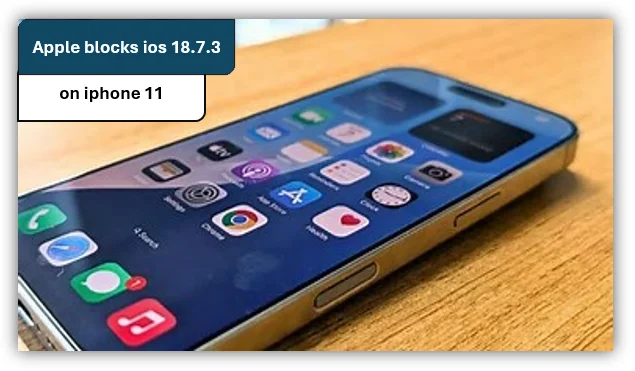
For millions of users, this concludes a “grace period” in which they have been able to keep a legacy version of iOS running yet still receive important security updates. If you’re the owner of an iPhone 11 or later, then your road to safety is paved entirely with Apple’s new, audacious “Liquid Glass” age.
Forced Upgrades: Behind the iOS 18.7.3 ”Missing Update”
Traditionally, Apple allowed users to run the previous year’s operating system for a few months after a major new version was released. This “dual-path” system was a welcome compromise for those scared off by early issues or performance hiccups on aging hardware. But as of late December 2025, that window seems to have slammed shut.
- The Selective Block: iOS 18.7.3 is STILL Available (only for “legacy” devices which include the iPhone XS, XS Max and XR-see Shownotes).
- The ‘All or Nothing’ Offer: If you have an iPhone 11, 12, 13, 14, 15 or a new iPhone 16 the Software Update menu will not display the iOS 18.7.3 patch anymore. Rather, you’re comically shown only one prompt: Upgrade to iOS 26.2.
- Why It Matters: What’s motivating this push is a collection of severe zero-day flaws in WebKit, which are already being actively abused in the wild. Apple’s response, it seems, is that the best protection against such threats comes in iOS 26 itself.
- The 26.2 Experience: iOS, Whenever It Arrives In your face Well, there has been a lot of controversy over the proposed marathon lengths in Apple’s latest operating system, forced to denounce those 3.x” displays just as outdoor displays do with the words “pushing daisies.”
Although the “forced” update has caused some pushback, iOS 26.2 is more than a security patch it’s an extensive refinement of the Liquid Glass redesign launched earlier this year. For those making the transition, the update represents several quality-of-life improvements:
- Custom Liquid Glass: New slider enables you to pick the transparency level of your Lock Screen clock, go ahead and have a cryptic frosted look or clear “in-your-face” style if you know what I mean.
- Snooze-friendly Alarms: Reminders has been kicked up a notch from “time to do things” level, it now has “Urgent Alarms,” which are more like an alarm clock than they are notifications—with a 9-minute snooze option!
- Apple Music Offline: For the first time, subscribers can view full lyrics in real-time for their library, even without an internet connection.
- Safety and Accessibility: A new “Screen Flash” for accessibility signals incoming notifications and alerts by lighting up the entire screen to make sure you do not miss a thing.
User Concerns: Performance vs. Protection
The main source of friction for iPhone 11 and 12 owners is now anxiety around “planned obsolescence.” Big OS jumps tend to bring with them background processes as well as nice visual effects — like the layered glass-inspired appearance of iOS 26 — that can tax older batteries and processors.
First reports from users which upgraded to 26.2 mention improved background tasks for around a 5%-10% Standby time increase over the initial release of 26.0. But the absence of any option to “rollback” to a previous version is new: After you make the move to iOS 26.2, Apple’s servers won’t sign older versions, so you can’t downgrade.
read also: Apple iphone 18 expected in sept
Conclusion
Assuming you were still on iOS 18 on a recent device, your device would be vulnerable to known attacks that 18.7.3 was meant to address. Now that Apple has closed the “beta profile” loophole to install 18.7.3 on newer phones, it’s wise for you to backup tap and move on 26.2 ios.
Pro Tip: Before doing this updating, navigate to Settings > General > iPhone Storage, and make sure you have at least 10GB of free space. A full drive is the # 1 reason for “sluggishness” after a major OS update.
