


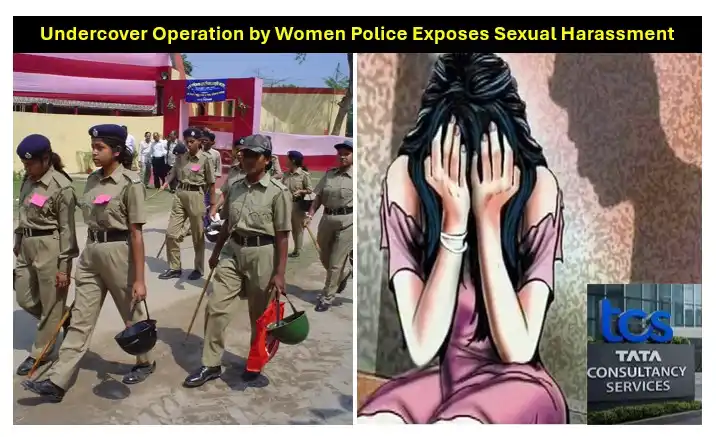
In light of concerns about the safety of employees in the workplace; women officers from the department of police, under the directive of ‘The Internal Justice System’, conducted an undercover investigation into the reports of sexual harassment at Tata Consultancy Services (TCS). The investigation stemmed from numerous complaints of alleged harassment and inappropriate behaviour, as well as allegations against colleagues and management at TCS. After staff raised the concerns through their own internal complaints, due to the internal processes failing to resolve the allegations, authorities determined they needed to act on their behalf.
Trigger for the Investigation
Authorities decided to use undercover officers to gather first-hand evidence through visual verification of the patterns of harassment. Officers were deployed as undercover employees and/or job seekers within TCS to document any harassment within the workplace without being detected.
Undercover Operation Uncovers Workplace Misconduct at Tata Consultancy Services
Undercover officers observed workplace interactions to determine patterns of inappropriate behaviour and document any incidents of misconduct in the workplace. The benefit of using undercover officers to conduct the investigation was to eliminate the barriers that exist when an employee formally complains about harassment, i.e., fear of retaliation or lack of evidence.
read also: India postpones global steel conference
Findings and Evidence Collection
According to sources, the officers observed and recorded additional evidence of some of the allegations while conducting the undercover operation. This method of operation provided valuable information on the daily experiences of women in the workplace and provided insight into issues that would have otherwise gone unnoticed.
The operation’s initial findings contained evidence of verbal and physical harassment, inappropriate comments, and activities that created a hostile environment. It also appeared to reveal underlying systemic problems that included deficient response procedures for these types of violations and insufficient enforcement of workplace conduct policies.
read also: 6 dead bodies found in 16 days near Mumbai
Corporate Response and Accountability
The documented evidence gathered during the undercover operation will be an essential part of any future legal action. The authorities are currently reviewing the documents to determine what violations occurred and who is responsible for them.
As a result of the findings from the undercover operation, it appears that Tata Consulting Services has undertaken internal reviews. TCS seems to have had a long-standing commitment to workplace ethics and preventing harassment; however, this particular incident raises questions about how effectively those policies are being practiced.
Robust internal complaint committees (ICCs) are needed by organizations as large as TCS, according to Indian law. It is critical that the presence of such policies will not be effective unless they are enforced actively by the organization and reliably by the employee.
This has led to wider conversations about workplace safety and the persistent gap between what is said and what is done to prevent sexual harassment, particularly within the IT sector.
Broader Implications for Workplace Safety
Experts believe that undercover support investigations (though rare) are likely to become more commonplace as reporting avenues become less reliable. The situation shows the need for organizations to create a culture that allows employees to openly and without fear lodge a complaint about inappropriate behaviour in their workplace.
As the understanding of this incident continues to evolve, actions like arresting the perpetrators, disciplining those who were involved in covering up the incident, and developing new policies and procedures are likely to occur. This case emphasizes that workplace harassment is a serious issue requiring constant vigilance by all employers and law enforcement agencies.
For any number of people, this is not simply a case about one organization but rather a wake-up call for corporate India that re-evaluating how workplace dignity and safety are provided is long overdue.
