


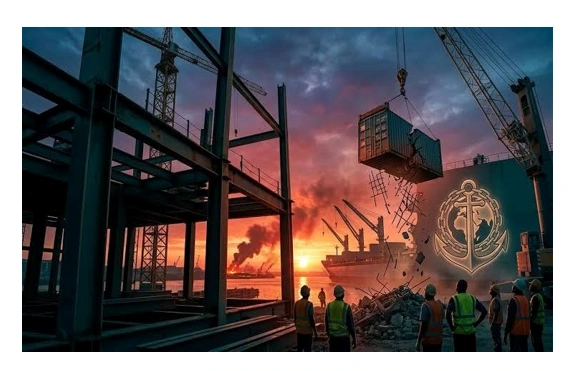
India has delayed its flagship global steel event, Bharat Steel 2026, reflecting increased disruption to international cooperation and trade resulting from global conflict. The conference originally scheduled for April 16-17 in New Delhi will now be postponed until further notice due to the ongoing crisis in West Asia (Middle East).
Reason for Postponement
The Ministry of Steel explained that “the evolving global situation” (i.e., the current conflict in the Middle East) was the primary reason for this decision. The conflict has caused a significant amount of disruption to international travel, logistics and scheduling for delegates, exhibitors and other participants.
Given that many global participants were planning to attend the event, requiring that all participants were able to travel smoothly and coordinate effectively to ensure that they could all attend at their planned size (number of attending) was crucial; because of the instability of the region (in particular, some of the primary transport routes were disrupted) it was impossible to guarantee that all participants would attend at their planned size.
Impact of the Crisis in the Middle East
The delay of Bharat Steel 2026 highlights the wide-ranging effects of geopolitical tensions on the global economy. The continued escalation of the crisis in the Middle East since the beginning of 20xx has disrupted oil supply routes and international shipping lanes (especially around key strategic chokepoints).
This has led to:
- Increased uncertainty in global energy markets
- Higher transportation and logistics costs
- Delays in international business engagements
The steel industry is particularly concerned about the direct impact that disruptions like this can have on production costs and the supply chain. Another example of how the steel industry has had to deal with similar issues over the years is: Bharat Steel 2026.
Bharat Steel 2026 will play an essential role in showcasing India’s position in the global steel sector and create opportunities for collaborations between international participants. The event is anticipated to:
- Support innovation in the production of Steel
- Attract International Investment into the Steel Industry
- Foster collaboration between Supply Chain Partners
Cancelling this event will impact many of these important activities, most importantly since there is significant demand for steel worldwide right now.
While the “delay” for Bharat Steel 2026 is temporary, it does highlight some of the continuing challenges the steel industry faces in managing energy security and ensuring the continuation of increased growth.
Read also: India strengthens energy ties with Qatar
Key implications include
- Rising input costs: Energy disruptions can increase production expenses
- Supply chain volatility: Uncertain logistics affect raw material availability
- Delayed collaborations: International partnerships and deals may be postponed
Although there are several important hurdles ahead, there continues to be strong steel demand resulting from ongoing infrastructure-related construction efforts around the globe.
Reactions from the Industry & Others
The announcement is an attempt to show that the postponement was made in the “greater interest” of stakeholders, as both safety and logistical considerations, are primary factors.
Based on the current uncertainty in the industry, many participants will view this decision as a reasonable one. However, the announcement is also bringing to the forefront concerns about lost opportunities for networking with other members of the industry, as well as missed opportunities for discussions about future policies that are discussed at these types of international gatherings.
Read also: Noida airport land deal: Farmer turns into Crorepati overnight
What to Expect Next?
The government of India is still deciding on the next steps regarding rescheduling the event, and new dates will be announced as soon as they can.
In the meantime, postponing Bharat Steel 2026 is a stark reminder of the level of interdependence of so many international businesses with international politics. For India to continue being a key part of the future steel supply and production chain, the country will have to remain as resilient as possible to any interruptions that may happen in the future.
In conclusion, the decision by the Indian government to reschedule Bharat Steel 2026 is a sign of the current level of influence of global geopolitics on international trade and supply chains. While postponing these events may lead to further slowdown of industry collaboration and communication, it underscores the growing importance of developing adaptable business models in a world that is continuing to become increasingly uncertain.
