


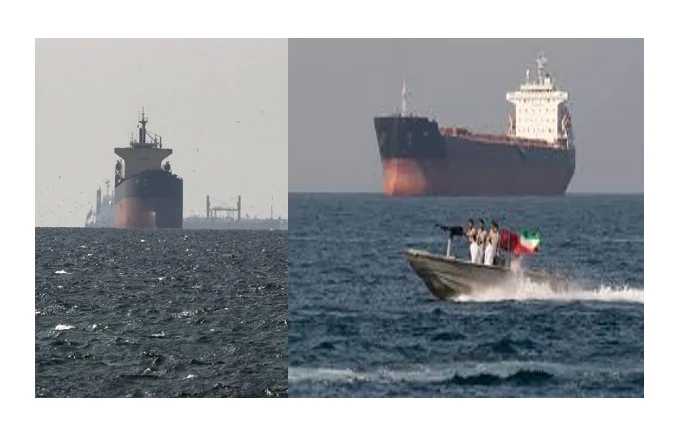
The Strait of Hormuz is one of the most important sea routes in the world. Iran has taken a big step forward by opening a new trade passage that ships can use for a fee. New rules have been made that make it harder for ships to get through the area.
Under this method, ships must follow a route approved by Iranian officials. They can’t move around easily like they used to, and they have to ask for permission to enter the passageway first. This is a big change from open travel to a more rules-based system.
Because the Strait of Hormuz is so important for foreign trade and oil production, the news spread quickly around the world.
Ships have to pay a lot of money to go through ports
Ships now have to pay a transfer fee, which is one of the biggest changes Iran has made. Ships that want to pass through the tunnel now have to pay a large sum to do so.
Reports say that at least one tanker has already paid a big fee, which proves that the system is working. In practice, this means that the road is now a paid journey, which wasn’t the case before.
Adding these fees could make it more expensive to move oil and other goods around the area. As shipping businesses get used to the extra cost, this could finally affect world markets.
Read also: Modi Talks With Iran’s President as Tankers Stall in Hormuz
Choice of Access Based on Relationships
Not all countries can use the new route simultaneously. Countries with good ties to Iran or that work with Iran are the ones most allowed to enter.
Reports say that Iran is working with countries like India, China, Pakistan, Iraq, and Malaysia to make sure that their ships can move easily. Instead, ships with ties to some Western countries are being limited or are not able to get through easily.
This system of choices shows how political ties now directly affect how goods are shipped around the world. Concerns have been raised about fairness and about everyone having equal access to foreign seas.
Read also: Navy Warships Keep Watch on India-Bound Vessels in the Strait of Hormuz
A strategic move as tensions rise
At least 9 ships have already used the passageway near Larak Island, where officials with ties to the Islamic Revolutionary Guard Corps check the ships visually. India, China, Pakistan, Iraq, and Malaysia coordinate route demands with Tehran.
It’s evident ships with ties to the US or Israel are not allowed. Only 15 transits were reported from March 15–17 and about 90% of them were related to trade or ownership with Iran.
There is now even more doubt because of the change. Many countries are keeping a close eye on how things go and what it might mean for global trade.
Fears about the future and what it means for trade around the world
The energy and trade markets around the world might change a lot if this method is used.
It’s still not clear what will happen to ships on this important route in the future because things are always changing. It is clear that Iran’s actions have changed the way a major global river flows, which could have effects on companies all over the world.
