


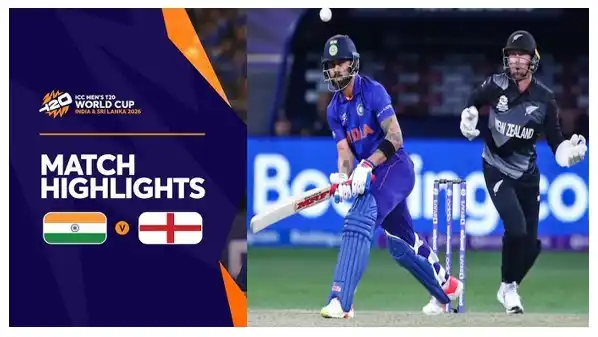
During the damp evening of October 31, 2021, in Dubai, a dense silence became the order of the day at the International Cricket Stadium—a silence that was even more eloquent than screams in the crowd. The tie against New Zealand was to be the great redemption of the millions of spectators back in India, an opportunity to get rid of the specters of a nightmare opening loss to Pakistan. It was instead a gradual, surgical dismantling of an Indian batting order, a gradual surgical dismantling carried out at the same time by the Black Caps with the same surgical precision that few teams in the world could match.
The 2021 T20 world cup will be remembered as a tournament that came down to the toss-dependency factor, however, to attribute the loss of the match by eight wickets on the presence of dew would be to ignore the masterpiece of tactical bowling. Since the first ball was tossed, New Zealand did not only play the game, they controlled the rhythm and the Indian superstars were in search of the answers which were not there.
The Strangling of a Giant
India had a history of indecisiveness. With the format of the tournament, forcing India to the corner, they tested at the top by putting Ishan Kishan with KL Rahul and leaving Rohit Sharma at the third position. It was a step of necessity, and New Zealand Trent Boult smelled it within no time.
The removal of Kishan by Boult at the initial stage was the initial fissure in the dam. This was not the fall of explosive wickets, but a strangulation. India could not locate the boundary in almost 71 balls or 12 overs. On the shortest and, as violent as possible, form of the game, the Indian batters appeared to be frozen into inactivity by the precision of Mitchell Santner, and the cunning of Ish Sodhi.
The Player of the Match Sodhi had a score of 2 out of 17 but this is something that was by far much more than that. He drove the “big fish”- Virat Kohli and Rohit Sharma away and left the middle order to fish in a minefield without a map. India later stumbled to 110 7 their lowest score in the history of playing T20 World Cup. It was an aim toward which New Zealand, steered by the placid manners of Kane Williamson and the impetigo of Daryl Mitchell, pursued, with 33 balls remaining.
read also:
The Human Side of the Defeat
The weight of expectation was behind the scorecards and the tactical post-mortems: a more human story. Virat Kohli in his last performance as the captain of India in T20 cricket appeared a man in the unending pressure of a billion dreams. His post-match remarks were very candid. He didn’t hide behind excuses. We were not so bold, he confessed, a rare and disheartening thing to hear of an aggressor of the nature of a leader.
The loss was not only about lost points, but also lost about the so-called fear factor on which Indian cricket has been built. With the body language of the players, with the huddled shoulders, the late fields, the sunken expression on completion of a boundary, it was all too obvious that the psychological strain of the bio-bubble life and the back to back high stakes games have finally taken its toll.
On the other, New Zealand demonstrated why they are the most admired in the sport as the underrated. There was no ego in their play. In the case of Daryl Mitchell who had never batted in T20s professional cricket before that week when he hit 49 out of 35 balls, it spoke of the culture of adapting and over-delivering that the Black Caps had instilled in him.
