


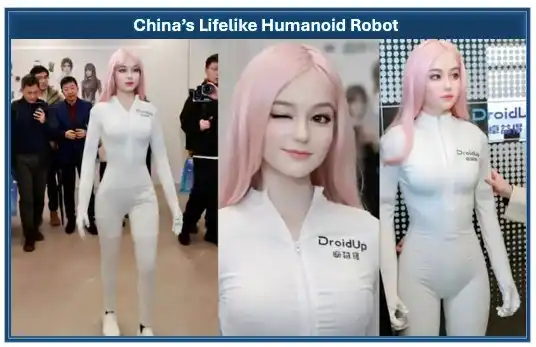
A new humanoid robot from China is getting a lot of attention worldwide because it looks and acts so much like a real person. The machine, named Moya, is one of the most lifelike examples of living artificial intelligence shown so far.Being able to talk to robots through Moya should feel more normal than ever. It walks smoothly and shows small feelings with its face, like laughing and smiling.
People interested in technology are amazed by the show and it has sparked discussions about how close machines should come to mimicking people.
A New Level of Moving Like a Person
The way Moya moves is what makes her stand out. Older humanoid robots often look stiff or mechanical, but Moya walks with balance and ease. In demonstrations, she keeps her stance, moves slowly, and shifts her weight carefully, just like a human friend.
People were most interested in her face. The robot can make faces, follow people around with her eyes, and respond with small movements. Engineers say that these little things are very important for making people feel good.
The people working on the project say it’s an attempt to bring clever robots and people closer together.
How the realism works- the technology
Moya acts like a real person because it has high tech sensors, precise movements, and AI systems that process information in real time. She can see and hear where she is and who is close, thanks to cameras and other tools. The software tells her what to do based on this information.
Another thing about the robot that has gotten people’s attention is its outside. It’s meant to feel and look warm like real skin, which makes it feel even more real when you touch it. This mix of body language, facial expressions, and actions is meant to improve conversation.
The people who made them think that people will trust and work with robots more if they look more like real people.
Why did the builders put up Moya
This project, called Moya, isn’t just meant to be a show. Humanoid robots could one day be useful in places where understanding and social presence are important, say the people who made them. Some possible future jobs are meeting guests, helping the old, directing customers, or working as a teacher’s assistant.
When this happens, being able to show how you feel or make eye contact with someone can make a big difference. An attentive machine might make people more willing to work together and less anxious.
For experts, Moya is a place to see how people respond to computer beings that become more like real people.
Responses from the public with surprise and anxiety
Many people who saw the event praised it and said it was a big step forward for AI and robots. They think there is a chance for helpful helpers who can work safely in everyday life.
Some, though, said they were a little awkward. When robots look almost like people but not quite, they can be creepy. This emotional reaction, which is talked about a lot in the tech world, shows that reality can both appeal to and bother people.
The argument is about a bigger problem the business is having, how human like should robots really be?
A Look into the Future
Moya isn’t quite ready for mass production yet, but her first album shows where new ideas might be going. There is a race going on around the world to make tools that can live with people, understand their actions, and react sensibly.
If things keep going this fast, service robots of the future might not just do chores. They may talk, act or even show themselves in ways that are strangely familiar to you.
Moya is still a sign of hope and a warning that the line between humans and machines is slowly but surely blurring.
