


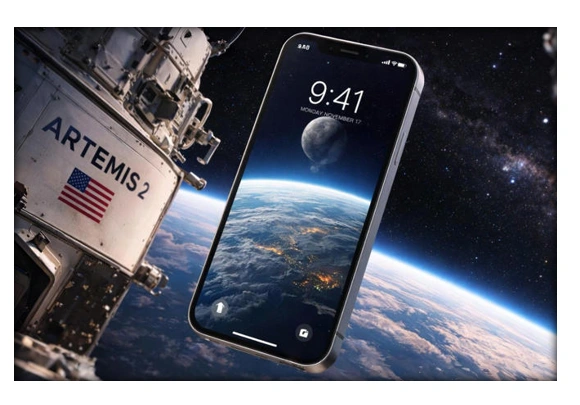
NASA has changed its rules in a big way by allowing modern smartphones, like iPhones, to be used on future human missions. Before this choice, there were many strict rules about what personal electronics could be brought into space.
Astronauts mostly used cameras approved by NASA and older gear that had undergone extensive testing over the years. As household electronics become stronger and more reliable, NASA thinks smartphones can safely become part of life in space.
It is thought that the change will give pilots more freedom and help them share their trip in fun and new ways.
Why NASA Limited Things for So Long
Space projects operate in harsh conditions, and even minor technology issues can escalate into major problems. Because of this, NASA has always had strict rules requiring that everything pilots carried be certified.
Many personal electronics were not allowed because the agency preferred gear built or highly modified to work in space. Before they were approved, cameras, phones, and study tools were usually tested for years.
This kept pilots safe, but it also meant that they had to use technology that seemed old compared to what people had on Earth.
New ideas open the door
NASA’s new plan shows that they have faith in the reliability and power of modern smartphones. Officials believe the gadgets we use today are safe when properly cleared.
The agency is reviewing outdated processes and seeking ways to bring mission operations up to date, which is why the move was made. NASA used to automatically turn down consumer products, but now they are more willing to work with them if they can be made to work in space.
Smartphones can be used for many things. Besides getting pictures and videos, they can also help with quick recording, contact, and making everyday life easier for team members who live far away.
Trips Where Phones Will Be Brought
The new rule is expected to change plans for big flights, like trips to the Moon and the International Space Station.
People in space will be able to use their phones to record private moments, daily tasks and stunning views of Earth and space. If people see these pictures and movies, they might feel more connected to space travel.
NASA thinks that letting pilots record everyday life will interest more people and teach them new things in the future.
A Help for Telling Stories in Space
Smartphones have better photos, are easier to use, and are instantly recognizable compared to standard tools. Since astronauts use gadgets like these all the time, they don’t have to learn how to use them any faster.
With phones in orbit, there might be more unplanned photos, behind-the-scenes looks, and casual stories told from space. Astronauts’ families may also benefit from having more personal memories taken while they are on missions.
This step puts space travel closer to the digital era, when sharing experiences quickly and honestly is vital, say experts.
More Than a Choice About a Gadget
NASA’s OK for smartphones isn’t just for taking pictures. It shows that the agency is ready to change with the times while still upholding strict safety standards.
By using common technology, NASA is recognizing that progress made on Earth can help with exploring other worlds. The choice could also affect how future trips test other household electronics.
As astronauts get ready for a new era of trips to the Moon and beyond, they may now be able to carry a small but powerful memory of home with them.
