


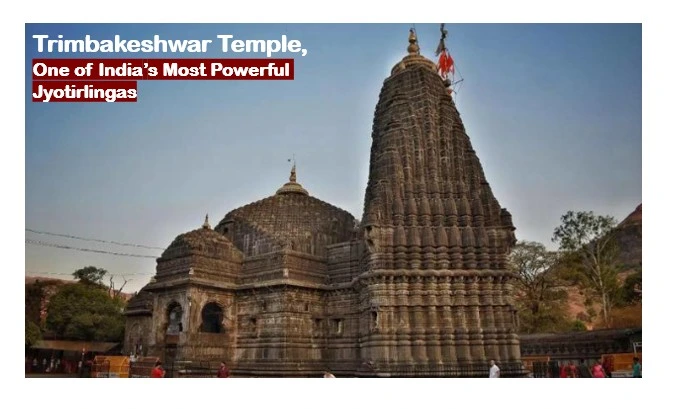
People come from all over India to visit the Trimbakeshwar Temple in Maharashtra. It is one of the most important holy places in the country. The temple is dedicated to Lord Shiva and is at the base of the Brahmagiri range, not far from Nashik. It is one of the twelve Jyotirlingas, which are the holiest places for Shiva in Hinduism. It is a place of worship and travel because of its long past, special spiritual meaning, and cultural influence.
One of a Kind Picture of the Divine
It is different from other Shiva shrines because it has a Jyotirlinga in the shape of a tree. The Trimbak Jyotirlinga is different from other lingams because it is thought to have three faces, which reflect the Hindu trio of Brahma (the creator), Vishnu (the protector), and Mahesh or Shiva (the killer). The meaning of this image comes from Hindu mythology, which sees creation, protection, and death as all part of the same circle.
The name “Trimbakeshwar” itself shows how important this place is in the universe. It comes from the word “Trimbak,” which means “Lord of the Three Eyes.” This is a name for Lord Shiva that means “spiritual vision” or “transcendence.” In Shaivism, the temple has a special place and is visited by people who want spiritual benefits and to change themselves.
How the Sacred Godavari got its start
Trimbakeshwar is also linked to the source of the holy Godavari River, which is sometimes called the “Ganga of the South.” A story says that the ancient sage Gautama Rishi did a lot of repentance here to get rid of a curse and reach the holy river. Godavari is thought to have come out of the Kushavarta Kund near the temple. Lord Shiva was pleased with his loyalty and gave his wish.
People who are going to the Kushavarta temple often take a bath in the pool before they go inside because the water is thought to clean both the body and the mind. For devotees, this practice is an important step to take before praying at the Jyotirlinga. It strengthens the connection between the site and cleansing and divine gift.
Beautiful architecture and a history that lives on
The current building of the Trimbakeshwar Temple was made in the 18th century with the help of a famous Maratha king named Peshwa Balaji Baji Rao. The buildings are built in the traditional Hemadpanthi style, which is known for its use of black stone, detailed carvings, and beautiful proportions. The temple’s design is an example of traditional Indian craftsmanship, and it has stood the test of time as society and the environment have changed over the centuries.
There is a shrine inside the chamber where the three-faced Jyotirlinga sits. During important ceremonies and rituals, the lingam is dressed up with jewelry and other religious items that show respect and loyalty. There are also a number of smaller shrines and holy places within the temple building where people perform different rituals.
Feasts and rituals
At Trimbakeshwar, daily worship starts early with the Kakad Aarti, a traditional prayer at dawn. This is followed by the Abhishekam, a ceremony in which holy water, milk, honey, and other gifts are bathed on the lingam. The daily practices make the temple feel like a place of dedication and respect.
There are many festivals at the temple, and Maha Shivaratri is one of the most important ones. On this day, thousands of followers meet to pray, hold vigils all night, and do other special services. Every twelve years, millions of people gather at the Kumbh Mela to take a holy dip in the Godavari and pray at the Jyotirlinga. This is another important event.
A Spiritual Center That Is Alive
The Trimbakeshwar Temple has been a symbol of faith and spiritual love for many hundreds of years. It is a very important place for religion because it is a unique symbol of God, has a lot of historical value, and is connected to the holy Godavari River. Its peaceful settings, ancient traditions, and strong spiritual energy draw both pilgrims and tourists.
People still love and respect Trimbakeshwar, which keeps its status as one of India’s most powerful and holy spots, whether they see it as a place of worship, cultural heritage, or religious history.
