


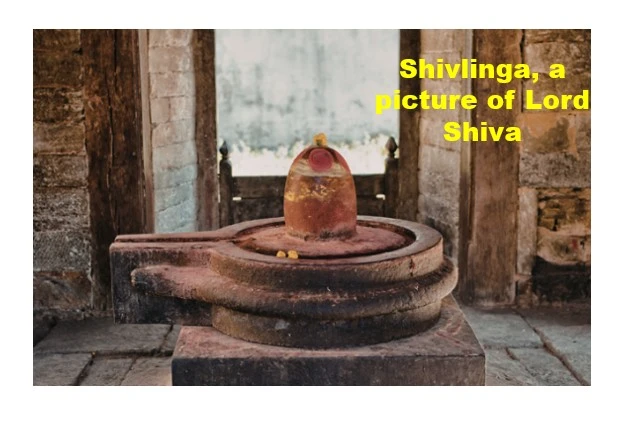
Many Indian homes and temples feature the Shivlinga as one of their most well-known religious images. Every day, it gets water, milk, flowers, and bilva leaves in prayer rooms, at shrines on the side of the road, and in big temples. But along with the word Shivlinga, the word Jyotilinga often shows up and has a deeper spiritual meaning. Even though they have the same shape, they mean and serve very different things. Being aware of this difference helps explain how people all over India worship Shiva, from small shrines in homes to the holiest of travel places. Read more by scrolling down.
What a Shivlinga stands for
A Shivlinga is a picture of Lord Shiva. It doesn’t try to make him look like a person. In its place, it shows Shiva as pure universal energy that has no shape and lasts forever. The smooth, pillar-like structure is a metaphor for the unchanging fact that makes everything possible. The round base, or yoni, is a representation of Shakti, the creative feminine force. They show the balance between being still and moving, between awareness and making things.
You can put up a Shivlinga anywhere. A shrine in the town, a home, or even under a tree could be the place. Its power doesn’t come from where it is or a story about how it got that way; it comes from dedication. Shiva is not bound to any one story, place, or form, so when someone prays to a Shivlinga, they are connecting with Shiva as a whole.
This is the reason why a lot of people in India do abhishek on Shivlingas every day. People respect Shiva’s presence in the present moment by giving him water, milk, honey, and holy flowers. Seeing a Shivlinga isn’t about making a show. It’s about how we meet every day.
In what ways is a Jyotirlinga unique?
It’s not enough to just see a Jyotirlinga as a Shivlinga. People think that Shiva showed up there as a tower of holy light, or jyoti. Ancient Shaivite texts say that there was a divine moment when Shiva showed himself not as a person or a body, but as an endless column of bright light that went beyond heaven and earth. People said that the endless light showed how real and vast Shiva was.
People think that the light hit the earth in a few different places in India. The name Jyotirlingas comes from the word “lingas,” which means “light.” According to Hindu tradition, there are twelve Jyotirlingas spread out across India. These include well-known shrines like Kashi Vishwanath, Somnath, Kedarnath, Mahakaleshwar, and Rameshwaram.
This bright version of Shiva appeared in a different tale at each Jyotirlinga to settle a fight, beat ego, or bring balance back to the world. These places are important on their own, without any help from people. It comes from God making it happen. People think that a Jyotirlinga was self-manifested, or swayambhu. This means that Shiva himself made it happen, without anyone else’s help.
Source vs symbol
This is what makes the difference. A Shivlinga is a sign that Shiva is there. People think that a Jyotirlinga is where that spirit comes from.
There can be a Shivlinga anywhere there is love. A Jyotirlinga can only be found in certain places because it is connected to an event where Shiva’s cosmic energy is thought to have directly shown up on earth. All of these reasons make Jyotirlinga temples very important places for pilgrims. Going to see them isn’t just for worship. It’s about standing where people think holy light once came into the world of matter.
Thailand – Cambodian conflict : Demolition of Hindu Deity statue
How worship is different
When it comes to actual matters, the practices done at a Shivlinga and those done at a Jyotirlinga are very similar. These two rituals usually include water, flowers, and saying prayers and songs. Even so, the goals of these kinds of worship practices are very different, despite these similarities. Believers say that when people worship a Shivlinga, they are praising the spirit of Lord Shiva as a force that runs through everything. On the other hand, people who visit a Jyotirlinga are usually looking for a deep link to a specific spiritual core. This is a holy place where the endless nature of Lord Shiva is said to have been directly shown to the world.
That’s why a lot of religious people try to see all twelve Jyotirlingas at least once in their lives. It’s not about getting a lot of temples. The journey is through a holy landscape that shows how Shiva’s cosmic presence shows up in different ways across India.
Two ways, one truth
You can’t compare a Shivlinga to a Jyotirlinga. One stands for Shiva everywhere. The other one stands for Shiva in certain holy places in time and space. They show that Indian faith holds both of these ideas at the same time: the divine is everywhere, but it can also choose to show up in powerful ways in certain places. One shows loyalty in a concrete way. The other is the manifestation of God.
Religious Profession Jubilees Celebrated at Amravati Cathedral
