


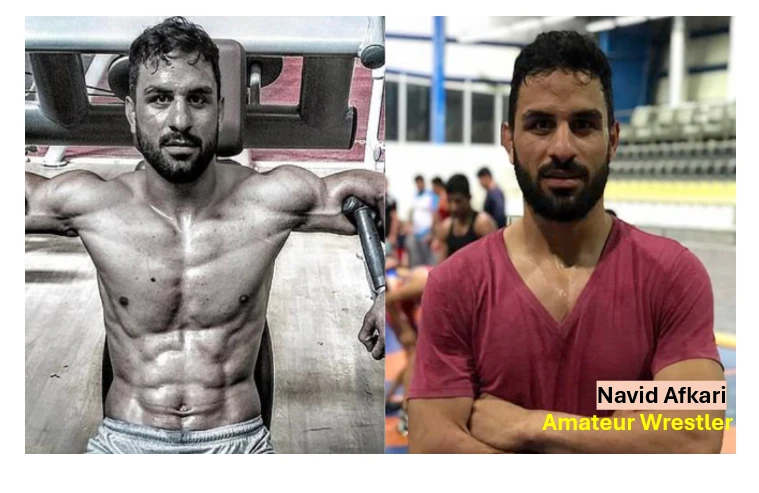
Iran put wrestler Navid Afkari to death when he was 27 years old. The public and governments around the world condemned the killing, which sparked new discussions about human rights and the death penalty in Iran. As a result of the killing of a government security guard during the 2018 national protests against the government, Afkari was given the death penalty. His killing happened even though many famous people, sports, and human rights groups around the world asked for his release.
The Case’s Background
You may know Navid Afkari as a famous amateur wrestler from Shiraz. He became famous for both his wrestling career and his involvement in protests against Iran’s government and economy. Authorities said he stabbed a worker for a water company in Shiraz during a protest. Afkari always rejected the charges, saying that he wasn’t guilty and that people had tortured him into confessing.
Reports from human rights groups said that Afkari said he was severely abused while being questioned, including being beaten and suffocated. The Iranian government rejected these claims. Concerns about due process, forced statements, and how political dissidents are treated in Iran quickly became linked to this case.
Getting a death sentence and the court system
After several reviews, Iran’s courts confirmed Afkari’s death sentence, saying that the decision was based on facts and witness statements rather than politics. Officials insisted that the case was criminal and had nothing to do with Afkari’s involvement in protests.
Rights groups and foreign experts, on the other hand, disagreed with this story. They said that Afkari’s arrest, the charges against him, and how he was treated all pointed to a politically driven trial meant to stop more trouble. Not only were his brothers caught during the protests, but they also got long jail terms.
International Appeals Ignored- Afkari’s imminent death led people all over the world to call for help. Trump then openly asked Iran to stop the killing, saying that Afkari was a young athlete whose life should be saved. People in the sports world made similar pleas. For example, mixed martial arts organiser Dana White asked the Iranian government to be lenient.
Athletes, sports federations, and human rights activists said that putting a professional athlete to death for protest-related charges would be a bad example and make Iran even less accepted around the world. Even though there was a lot of pressure, the Iranian government went ahead with the execution, saying that other countries’ governments and organisations had no right to get involved in the country’s legal matters.
Trump says US military considering ‘very strong options’ for Iran
Responses from around the world
Governments, foreign groups, and sports federations all had strong responses to the killing. Concerned individuals for human rights said that the action was against international rules and asked for a closer examination of Iran’s use of the death sentence. Some people said that the killing showed that the government was ready to use the death penalty to silence criticism.
In Iran, the official media said that the execution was legal and happened after a fair hearing. However, reformists and activists were worried that such actions could make people less likely to speak out or protest.
Effects on Talk About Sports and Human Rights
The death of Afkari had a huge impact on the sports world. In his honour, wrestlers and athletes around the world held protests and made comments that showed how vulnerable athletes are when they speak out against government policies. The case sparked more debate about how foreign sports organisations should react when players are being mistreated.
Human rights activists said that Afkari’s killing brings to light bigger problems with the system, such as the fact that the courts are not very open and speaking out against the government is illegal. They said that similar cases could happen again if the foreign community didn’t keep up the pressure.
A Sign for More Than One Case
Navid Afkari’s death has come to represent the high price of speaking out against the government in Iran. For his fans, he is a young jock who threatened the police and paid with his life. In the eyes of the Iranian government, the case was about keeping the peace.
No matter your point of view, Afkari’s death has had a long lasting effect on public opinion around the world. It has raised worries about human rights in Iran and shown how little power the international community has when dealing with independent legal systems.
