


People often call the Diversity Immigrant Visa (DV) Program “the green card lottery.” It has become the center of a heated political and security debate in the US. After the killings at Brown University and the Massachusetts Institute of Technology on Friday, which killed three people and hurt many more, the Trump administration put an instant stop to the program.
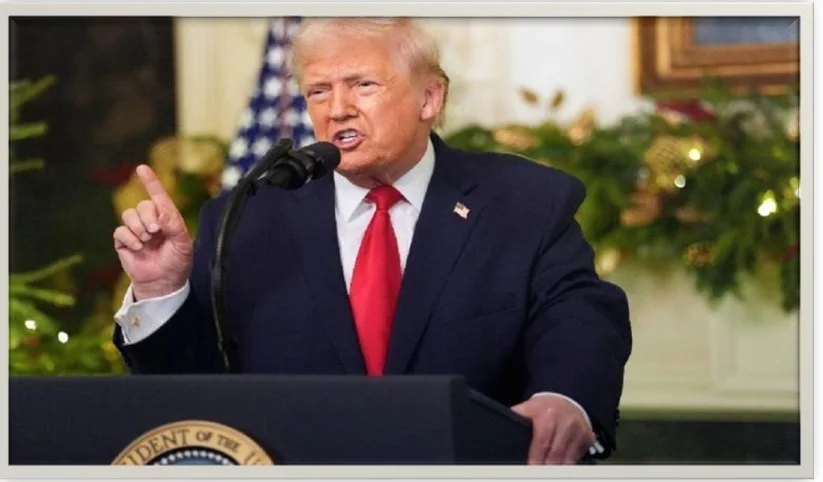
The pause is because US President Donald Trump told them to. It is the latest step in a larger effort to make it harder for people to come to the country legally or illegally. As a result of earlier actions that changed travel bans, visa checks, and closer examination of H-1B, H-4, F, M, and J categories, the choice to end the DV program marks the start of a new era of strict immigration policy.
Why Has the Trump Administration Suspended the DV1 Lottery?
The direct cause of the stop is the killing at Brown University. Claudio Manuel Neves Valente, 48, a Portuguese citizen, has been named as the suspect. The head of the US Department of Homeland Security, Kristi Noem, said in her statement that Valente “entered the United States through the diversity lottery immigrant visa program (DV1) in 2017 and was granted a green card.”
“This evil person should never have been allowed in our country,” she said. Mr. Trump fought to end this program in 2017… At the request of President Trump, I am telling USCIS right away to stop the DV1 program so that it doesn’t hurt any more Americans.
People think that Neves Valente killed two students at Brown University and an MIT professor and hurt nine others.
Noem also talked about past security problems and said again that the 2017 truck attack in New York City was done by a fan of ISIS who came to the US through the same program.
Online users, however, disagreed with Noem’s claim about Valente’s immigration path, pointing out stories that said he came to the US on a student visa in 2000 and became a permanent resident 17 years later.
After an Afghan man reportedly opened fire near the White House in November, hitting two National Guard members, this new order comes after Trump’s choice to ban travel from several countries. As a whole, the government wants to stop both legal and illegal immigrants. This fits with that goal.
How does the lottery for diversity visas work?
The goal of the Diversity Immigrant Visa is to increase the number of people from different countries who come to the United States every year. The USCIS says that the program issues up to 50,000 immigrant visas every year, choosing applicants through a random draw from countries that have generally had few people come to the US.
The US Department of State is in charge of running the program. Winners of the draw and their wives can apply for green cards. To find out if they are eligible for permanent residence, they must go through a thorough screening process and an interview with a foreign officer.
A story from AP said that more than 1,31,000 people, including spouses, were chosen from the nearly 20 million people who applied for the 2025 draw. Portuguese citizens got 38 of those spots.
To be eligible, you must first be a citizen of a low-immigration country that meets certain school or work-experience requirements.
Has Trump ever been against this plan?
Yes. Trump has said many bad things about the DV system, but the most severe criticism came after the 2017 truck attack in New York. He had earlier tried to get rid of the program completely, saying it was dangerous and didn’t work. Recently happening security events have made this latest stop seem like an extension of that stance.
The pause is in addition to other steps his administration has taken to tighten things up, such as making H-1B, H-4, F, M, and J visa candidates go through a required social media screening. The US government has said, “Every visa decision is a national security decision.” They also said that officers use all the information they have to figure out how dangerous someone is.
What will happen to Indians because of the suspension?
The pause won’t affect Indians because they weren’t qualified for the Diversity Visa until at least 2028 anyway, not because the rule specifically bans them.
This program doesn’t let countries participate if they sent more than 50,000 people to the US in the last five years. India is a long way above this level. According to reports:
- 93,450 Indians emigrated to the US in 2021
- 27 lakh in 2022
- 78,070 in 2023
This means that India, along with China, Mexico, Pakistan, the Philippines, South Korea, Canada, Brazil, Vietnam, and other countries, can’t enter DV contests like DV-2026.
India was already not allowed to apply until 2028, so the current ban does not change anything for Indian candidates.
Does the pause affect Indians’ other ways to immigrate?
The DV pause doesn’t have a direct effect on India, but other steps taken by Trump to make things tighter, like more checks and limits on H-1B and H-4 applications, may have a secondary effect on Indian workers.
Indian residents must continue to use the usual ways to immigrate, such as the H-1B-to-green-card transfer, investment-based options, protection, or family support, since the Diversity Visa is no longer available, and other options are becoming less open. The administration’s tighter method has made things less clear for both people who want to move and businesses.
What’s Going to Happen?
The DV1 program has been put on hold for now, and DHS and USCIS have been told to stop any new work. Even though up to 55,000 DVs were set aside for FY 2026, Trump’s order has cast a shadow over the drawing, making it less certain.
The US’s immigration system as a whole is changing quickly because of worries about security, official reviews of old cards, and stricter rules in many areas.
