


The earthquake was felt all over the region as the 4.1 magnitude quake hit Afghanistan early Friday, with its strong history of deep-seated earthquakes due to its shallow depth. There have been no reported casualties to date, but authorities stated that assessment teams are patrolling affected districts.
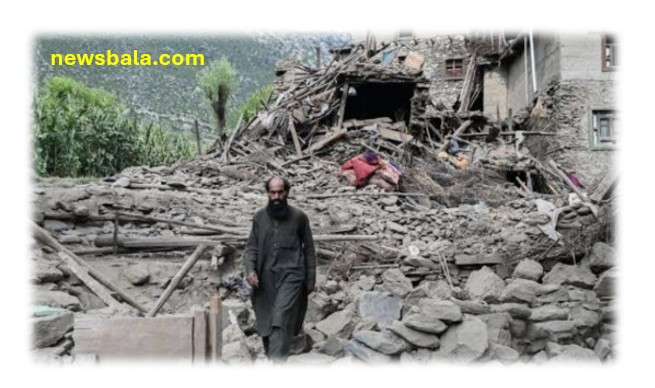
Tremor Recorded at Shallow Depth
The quake took place at 00:14:48 IST, and the epicentre of the quake was in northern Afghanistan at a depth of 10 kilometres according to the National Centre for Seismology. According to experts, shallow tremors are more dangerous, since the effect of the tremors on the surface is more severe than that of deep earthquakes.
This has been associated with short-term shaking across various parts of the north, and people have reported communication issues; thus, reporting on the impact has been delayed.
Region Prone to Frequent Seismic Activity
Afghanistan is in a region with high-risk seismic activity along the collision edge between the Indian and Eurasian plates. Certainly, the Hindu Kush region is famous for the regular occurrence of tremors and destructive earthquakes, which usually have no warning signs.
The mountainous nature of the country and the remote settlements only increase its vulnerability, and the international organisations constantly note the necessity of the emergence of more powerful disaster preparedness and the strengthening of the infrastructure.
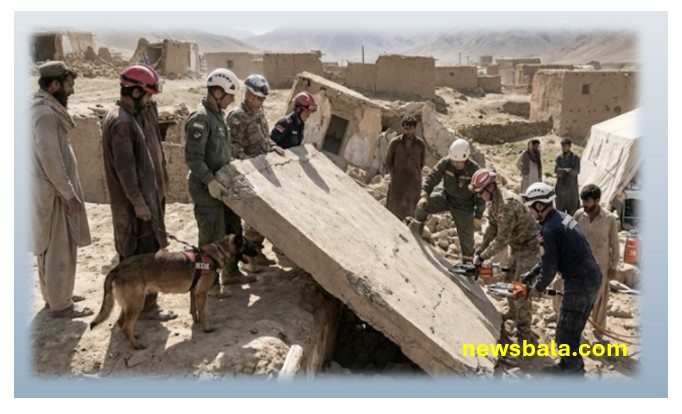
Comes After Recent Deadly Quakes
The tremor that occurred on Friday is the continuation of the powerful earthquakes that have taken place this year. In November, a 6.3 magnitude quake that claimed the lives of at least 27 people in the north injured hundreds of people and destroyed critical cultural facilities, including an ancient mosque. There was also extensive destruction that had happened earlier in August and October.
Specialists caution that repeated tremors may cause cracks in already damaged buildings, and thus more serious collapses may occur even when the quake is of lower magnitude.
Read also
Officials Monitor Situation, Risk of Aftershocks
The authorities noted that there was a threat of aftershocks within 24 hours; however, major secondary tremors were not thought to be possible. There are emergency teams and local community groups that have been put on alert to respond if needed.
Disaster preparedness in Afghanistan is a challenge that is being faced in economic hardship, conflict and harsh winter weather. The humanitarian organisations have called on the international community to provide more assistance to enhance early warning mechanisms and earthquake-resistant housing.
Until recently, officials have been left waiting and watching as more information comes in on the ground in the affected regions.
