


Late Monday night, a strong earthquake hit northern Japan, shaking coastal towns and causing a tsunami. Dozens were injured as officials ran to assess the damage from the earthquake. A 7.5 magnitude earthquake hit off the coast of Aomori Prefecture at about 11:15 p.m. local time. It sent shockwaves across several areas in the north and caused urgent evacuation orders along the Pacific shoreline.
Tsunami Warnings and Effects on the Spot
Because of the depth and strength of the earthquake, Japan’s weather office sent out tsunami alerts for parts of Aomori, Iwate, and Hokkaido. It only took a few minutes for coastal tracking posts to see waves of up to 70 centimetres in some ports. The tsunami turned out to be much smaller than the three-meter-high waves initially predicted. But it was strong enough to scare people who lived in the area and make emergency services respond quickly.
A lot of people felt the strong shaking, and in some places it was so intense that heavy furniture was knocked over, walls cracked, and windows broken. Some towns reported short but strong quakes that made people run outside in fear. Sirens sounded across the coast as officials told people to go to higher ground and stay away from the beach until further notice.
Read also:
Transport Problems, Structural Damage, and Injuries
Officials say at least 23 people were hurt, some by falling objects, which caused small cuts, and some by buildings breaking inside the building. Someone who was hit by falling objects was said to be in bad health. In some buildings, the shaking was so strong that ceilings and shelves collapsed, forcing people inside to find safety.
Public transit was badly affected. Bullet trains were not running in parts of Aomori and Iwate while workers checked the tracks and power lines for damage. Local trains also had to stop briefly, leaving hundreds of people behind. Some roads had cracks and small sinkholes, making it harder for emergency vehicles to get through and slowing the escape.
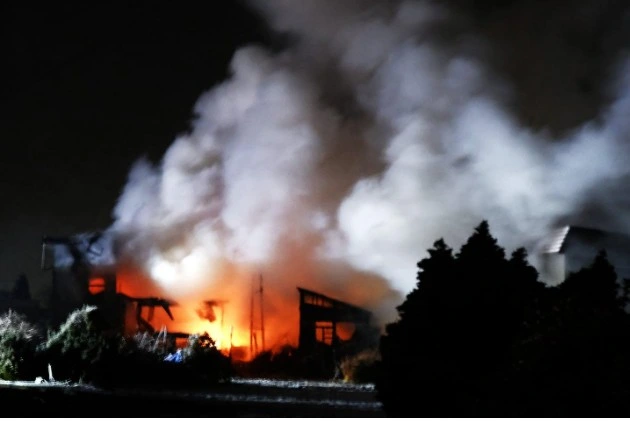
During the worst of the situation, almost 1,000 homes lost power. Utility companies worked all night to restore power, but some remote areas had to wait even longer. Firefighters got several calls about small fires caused by short circuits. All of the fires were put out quickly and with no major problems.
Steps to Protect People and the Government’s Reaction
The national government quickly formed an emergency task force to coordinate information, back local leaders, and oversee relief operations. The Prime Minister’s officials told everyone to stay cool but alert, adding that they should follow the escape orders and be ready for aftershocks.
Nuclear plants across the area underwent safety checks. Officials said a small water leak was found at one plant, but there was no significant risk. Officials stressed that the situation was under control and not a threat to nearby towns.
Seismologists said aftershocks could continue for a few days. Some experts said this area is still among the most seismically active in the world, a reminder to everyone to always be ready and careful.
A Country That is Reminded of a Past Disaster
Even if this earthquake seems to have caused less damage than previous ones, it still made people worried in an area that has not gotten over the memories of the terrible earthquake and tsunami that hit Japan over ten years ago. Many people who live there said the shaking was the worst they had felt in years, which prompted strong feelings about how quickly the ground can shift.
Emergency teams began assessing the damage to buildings, clearing debris, and helping people who had to leave their homes as the sun came up. People who didn’t want to or couldn’t go home stayed at shelters. Officials promised to continue helping as the area tries to return to normal after a night of fear, chaos, and doubt.
