


The reveal of MARVEL Cosmic Invasion at the latest gaming showcase sent shockwaves through the fan community. Promising a sprawling, interstellar adventure built around fast-paced combat and deep character customization, the game already looks like a dream come true for action enthusiasts. In a recent developer roundtable, the creative leads pulled back the curtain, confirming the major influences driving the game: a deep, abiding love for classic arcade beat ‘em ups and the dynamic, explosive energy of shonen anime.
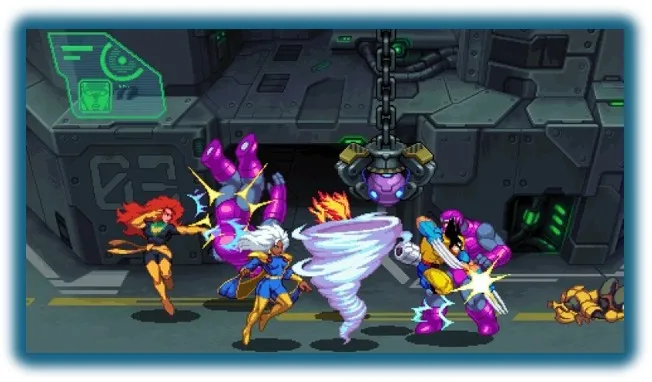
The Arcade Roots: Consistency, Combo, and Flow
The development team explicitly stated that the core combat philosophy for Cosmic Invasion is rooted in the golden age of arcade beat ‘em ups, specifically titles like Final Fight, Streets of Rage, and, perhaps most notably, Marvel vs. Capcom.
- Weight and Impact: Creative Director Elena Rodriguez explained, “We wanted every punch from Captain Marvel or every web-strike from Spider-Man to have weight and feel physically impactful. In the old arcade games, you could feel the enemy stagger. That sense of contact is prioritized over everything else.” This translates to satisfying, meaty sound design and impactful visual shake whenever a strong attack lands.
- Accessible Combos: Unlike highly technical modern fighting games, the developers aim for a system that is easy to learn but difficult to master. Players should be able to pick up the controller and execute a compelling chain of attacks, but dedicated players can discover complex, air-juggling, and resource-managing combos. The idea is to make the game feel like a flowing, kinetic dance, rewarding players who can seamlessly transition between ground and air combat.
- The Power of the Super: The special meter (or ‘Cosmic Charge’ in the game) allows for devastating, screen-clearing attacks reminiscent of the ultimate moves in classic side-scrollers. These aren’t just damage boosts; they are visual spectacle moments designed to replicate the epic feel of a final boss fight.
Shonen Anime: The Visual and Emotional DNA
While the mechanics are arcade-driven, the visual style and emotional tenor of Cosmic Invasion draw heavily from popular shonen anime—the genre known for its relentless action, escalating stakes, and emphasis on character growth through trials.
- Aesthetic of Power: Lead Combat Designer Kenji Sato pointed out that the visual effects are inspired by shows like Dragon Ball Z and My Hero Academia. When a hero powers up or uses a heavy ability, the screen is flooded with flaming auras, glowing energy, and kinetic lines. This commitment to visual hyperbole ensures that even simple actions feel superpowered.
- Character Transformation: The concept of “power spikes”—where a character unlocks a new, significantly stronger form mid-fight—is a core tenet of the genre. The developers confirmed that certain heroes will have dramatic in-game transformations (akin to Super Saiyan or One For All) that don’t just change stats but also fundamentally alter their move sets and combat flow.
- Team Synergy and Rivalry: Shonen anime thrives on dynamic team-ups and intense, emotionally charged rivalries. The game’s narrative will heavily lean into the relationships between characters like Nova, Star-Lord, and the rest of the cosmic roster, ensuring that character dialogue and synergistic combat abilities reflect their bonds (or tension) during missions. The ability to tag in characters for Marvel vs. Capcom-style assists is a direct extension of this influence.
The Fusion: Making Marvel Feel Bigger
The developers see the fusion of these two influences as the perfect vehicle for Marvel’s cosmic characters. The scale of the threats—from Thanos to Galactus—demands the over-the-top energy of anime, while the tight, satisfying moment-to-moment combat is best delivered through the immediate feedback loop of the beat ‘em up genre.The result is a game that promises cinematic flair with a satisfying, grounded mechanical core. MARVEL Cosmic Invasion aims to be the game that captures the imagination of players who grew up pumping quarters into arcade cabinets and spent countless hours watching their favorite heroes unleash world-shattering power on screen.
