


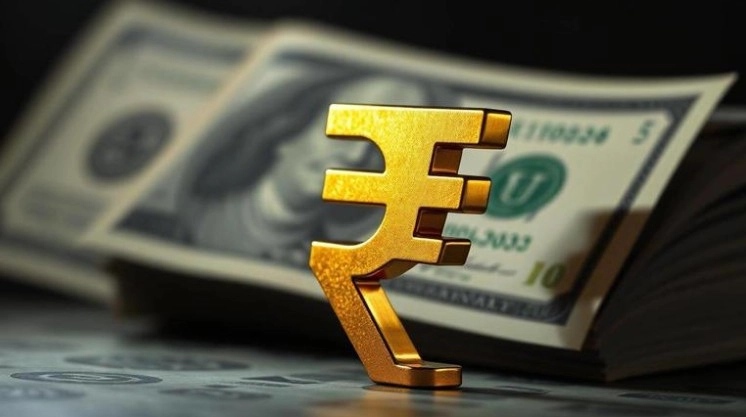
The Indian rupee lost value this morning, trading at 90.07 rupees per US dollar, down 20 paise. The drop is another fall below an important level. This has again worried investors, buyers and experts about the currency’s security and its effects on inflation and foreign capital flows.
What Caused the Decrease?
Analysts say the rupee’s drop is due to several factors: demand for dollars by people buying goods from other countries, continued capital outflows, and global economic uncertainty. Importers needed foreign currency to pay for their imports, which put the rupee under pressure from the start and increased demand for dollars. Also, as the mood about global risk stayed shaky, there were still capital losses from stocks and other investments. This weakened the demand for Indian assets and the currency.
At the same time, the state of the world has not been good for emerging-market currencies. The relative strength of the US dollar around the world, along with risk fear among global investors, made things worse. The rupee, which had already been losing value for weeks, broke past the ₹ 90-per-dollar mark again, an important level in people’s minds.
Read also:
How to make money using your Android phone?
Economy Impact, Imports and Investor Sentiment
The drop in the rupee’s value affects many parts of the economy. First, it makes imports more expensive, from crude oil and fuel to electronics and other materials. This could raise prices and add to inflation. Companies that depend on parts from other countries may see their profits decline, and people who buy goods from those countries may have to pay more.
Second, the drop in value might make foreign big investors less interested, since they often adjust their investments when currency risks rise. If withdrawals continue, the rupee may be weakened, causing a circle of devaluation and capital flight, which is especially true when there is still doubt in the global economy.
On the bright side, when goods are priced in dollars, sellers might get better prices in foreign markets. However, a weak dollar may hurt exports even as they gain when the cost of inputs (such as raw materials from other countries) rises sharply.
Currency Volatility and What Will Happen Next
People who keep an eye on markets say the rupee may remain volatile in the short term. With global interest-rate concerns, trade-flow instability, and ongoing dollar demand from buyers, the INR may fluctuate. If the current forces don’t go away, it could even test lower levels.
Some experts say that a lot will rest on factors outside the situation, such as global product prices, the cost of buying goods (especially crude oil), and the strength of the US dollar. On the internal front, security may depend on the success of exports and foreign investment, as well as on the actions of the country’s central bank. If more goods are imported into India or the demand for dollars falls, the rupee might be okay. If not, it might continue to decline.
For Consumers & Businesses — What to Watch
When the dollar falls, it might cost buyers more to buy foreign goods, technology, fuel and trips abroad. Unless they manage exchange risks or find local replacements, businesses that rely on imports will have to pay more.
If the dollar weakens, it could be harder for people with foreign-currency loans or businesses that have to pay off debts in foreign currency. Exporters might be able to compete more effectively, but only if they are careful about rising costs when purchasing supplies.
In the next few days, investors from both inside and outside the country will look for signs that things are getting back to normal. Any increase in trade, new foreign investment, or a weakening of the dollar worldwide would help. On the other hand, continued withdrawals, higher oil prices, or global economic shocks could push the dollar even lower.
