


Eric E. Schmidt, the former CEO of Google, has warned that artificial intelligence might soon be able to learn, grow, and get better on its own, without any help from people. At a Harvard Kennedy School event, Schmidt said that artificial intelligence that can “think” on its own could be here in the next 4 years.
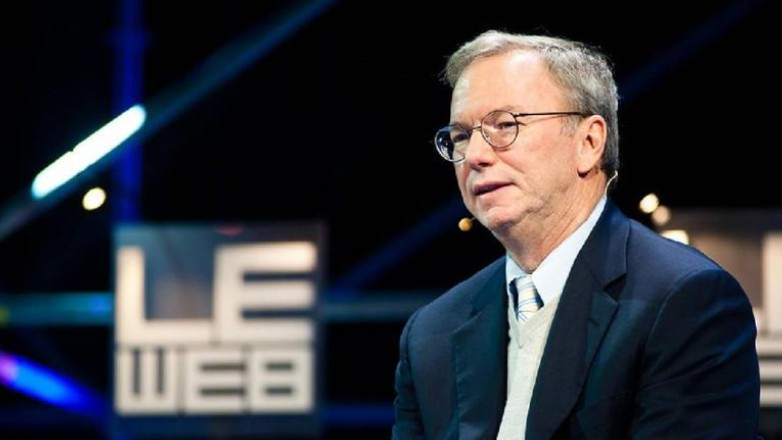
The Harvard Crimson reported that Schmidt’s concerns extend well beyond technology growth.
His remarks serve as a warning and a guide for students who are about to finish and for young workers just starting. He said that the next stage of AI will have a significant impact on jobs, the skills people need, and international competition.
Schmidt said that humans are still very important for monitoring AI systems. But he said there would be a move towards “recursive self-improvement,” in which AI can figure things out, make discoveries, and improve itself without help from people.
He said that systems like these might one day help with medical questions, find new facts, and solve very difficult math problems, according to The Harvard Crimson.
You may also like this:
- Zoho CEO Sridhar Vembu wants India to hire people
- An AI expert warns that AI might replace 80% of jobs
- What is Vibe Coding?
Artificial intelligence is affecting where people work.
Because AI is evolving so quickly, many tasks people used to do might soon be taken over by machines.
It is especially easy to automate routine, data-heavy tasks like math, basic analysis and repetitive processing. Schmidt stressed that people must still have control over AI decisions, ensuring that technology remains a tool and doesn’t take over.
Graduates who only pay attention to academic skills or regular competencies are at risk of being passed up. He said that, for long-term job security, it’s important to understand how AI interacts with human decision-making.
HOW TO GET SKILLS THAT WILL BE USEFUL IN A WORLD DRIVEN BY AI
Schmidt pointed out several human-centred skills that will remain very important. He said that robots can’t fully copy these skills, making them useful for protecting jobs in a world where AI is more common.
- Critical thinking- As AI generates more data than ever before, the ability to examine information, reflect on why we believe what we do, make sense of difficult situations, and make good choices will remain very important.
- Creativity- AI can’t fully replicate the process of generating new ideas, inventive solutions, and out-of-the-ordinary methods. In workplaces where machines do much of the work, being creative helps people stand out.
- Leadership and ethical reasoning- As AI takes on more complex tasks, we will need human leaders to guide teams, make tough choices, and ensure AI is used safely.
- AI literacy- Learners should know how AI works, what it can and can’t do, and how to work with it well. Being able to work with AI will be expected in every type of job.
THE POWER OF KNOWLEDGE FROM DIFFERENT FIELDS
- Schmidt stressed that AI can be used in fields other than technology. It affects healthcare, business, education, industry, and research.
- Graduates who know a lot about their field and also understand AI are better off.
- For instance, AI-assisted tests can be used by healthcare students to achieve better patient outcomes. AI tools can help business grads with data and strategy planning. AI can be used to make things that engineers can build.
- As the workforce changes, workers who know a lot about their field and know how to use AI become more and more necessary.
A GLOBAL AI RACE IS UNDERWAY
International competition is another important point Schmidt raised.The Harvard Crimson says that China’s fast progress in open-source AI makes it easier for the rest of the world to use its technologies. Many American models, on the other hand, are still closed-source, which slows their spread.
Schmidt said grads should keep an eye on what’s happening around the world, explore ethical open-source breakthroughs, and understand how their skills relate to the field of AI.
HOW GRAD students can make sure they are ready for the future.
To stay ahead, Schmidt laid out a list of easy things to do.Young workers should keep learning about new tools and trends, focus on human strengths like imagination and judgement, build skills that work across different fields, stay up to date with global news, and consider the social effects of AI.
His clear and pressing message was, There is no higher duty than to preserve human agency and human freedom.For students and workers just starting their careers, this means they need to act now, pick AI-friendly skills, keep up with the news, and get ready for a future in which machines might soon learn to think for themselves.
