


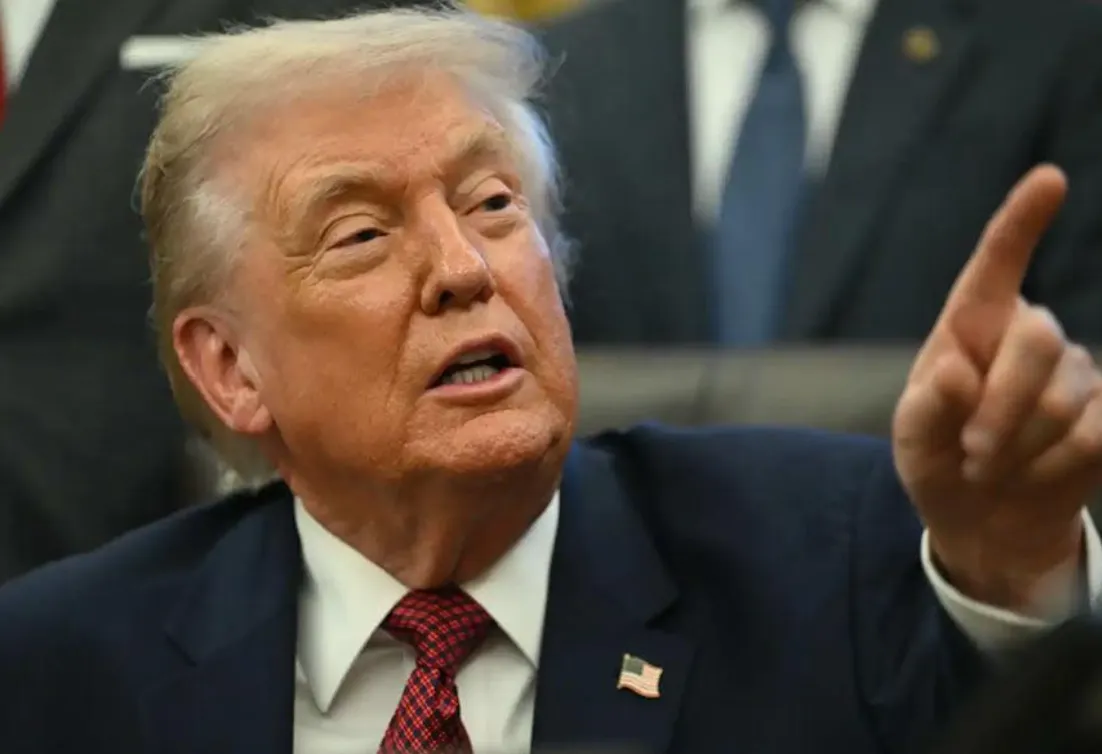
US President Donald Trump has said that there may be problems with Netflix’s plan to buy Warner Bros. Discovery’s movie company and HBO streaming service for $72 billion.
He said at a Washington, DC event on Sunday (December 7) that Netflix has a large part of the market and that the “size” of the deal “could be a problem.”
Both companies said last week that they had completed a deal to add Warner Bros.’ brands, such as Harry Potter and Game of Thrones, to Netflix. This would make the two companies a new media giant.
The planned deal is making some industry players worried, and it still needs to be approved by the competition officials.
In the late 1990s, Netflix began as a service that allowed people to rent DVDs and get them mailed to their homes. People have to pay to join the world’s biggest video service. The movie business hasn’t seen such a big deal in a long time, and the company that gets it would be clearly successful.As a result of the acquisition, Netflix would acquire a number of well-known figures from throughout the globe. It will probably be finished after Warner Bros splits its business in the second half of 2026.
At the event in Washington, DC, Trump said that Netflix has a “very big market share,” which would grow a lot if the deal went through.
Trump will be personally involved
The boss also said he would personally decide whether to approve the deal. He talked many times about how large Netflix’s market share is.
The Republican also said that Ted Sarandos, co-CEO of Netflix, had been in the Oval Office lately and praised him for what he does for the company. Trump also said nice things about the former and praised his work in film history.
Bill Kovacic, who used to be the head of the Federal Trade Commission, which oversees US competition, told BBC’s Today program that the US president’s comments showed that the White House would handle any talks about problems with the deal.
He was reported as saying, “That means that we’re going to have probably a deep level, an unprecedented level of presidential control in the resolution of what used to be a technical analysis of a merger.”
