


On Saturday, the Centre gave an official order to all airlines to strictly follow the recommended prices of fares after it observed that unusually high fares were charged after mass cancellations of flights by IndiGo. The Ministry of Civil Aviation (MoCA) used emergency regulatory authority to halt what it termed as opportunistic pricing amidst a national disruption of air travel that was being caused.
MoCA indicated that the fare ceilings would be maintained until operational stability is reached and asked the airlines to ensure that passengers who require immediate travel should not be charged high rates.
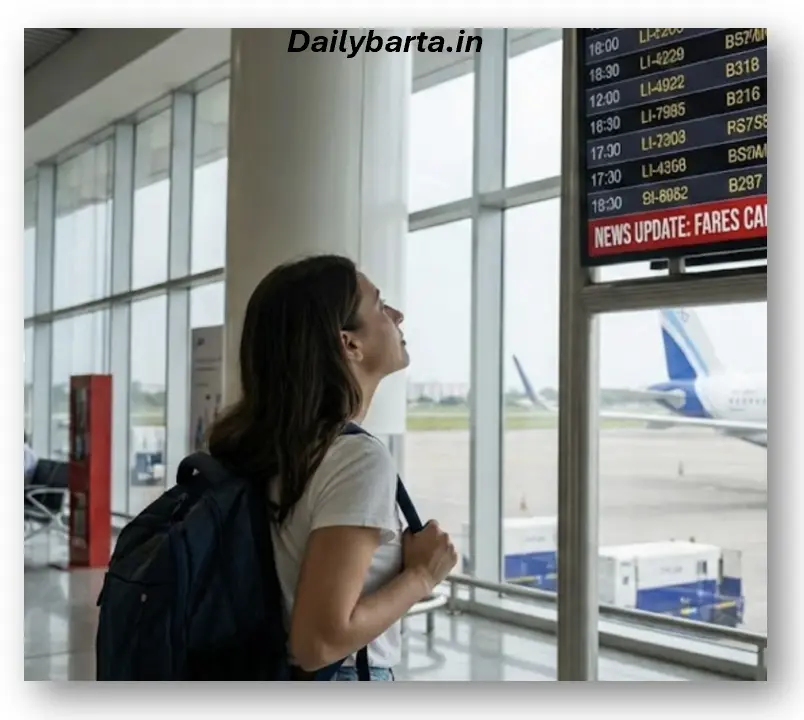
Airfares Spike After Massive Cancellations
The relocation comes with the air travel within the country being thrown into chaos with the thousands of IndiGo cancellations during the last 48 hours related to the disruptions in rostering and manpower because of the implementation of new fatigue-management regulations.
To stop the situation, hundreds of flights were cancelled on Friday, and further inconveniences were reported at major airports- such as Delhi, Mumbai, Bengaluru, Hyderabad, Chennai, and Pune- and the result was long queues, confusion and apparent frustration at check-in counters.

Govt Cites Passenger Protection
The ministry has given an official order to all airlines requiring them to strictly follow the fare limits, which are currently prescribed. It added that these caps will remain in place until the situation is fully stabilised. The officials indicated that the main goal was to instill pricing discipline and avoid exploiting passengers, particularly the older citizens, students and passengers who travel due to medical reasons.
Aviation Minister: Safety and Passengers First
The government has made passenger safety and convenience to be the topmost priority according to the Civil Aviation Minister Ram Mohan Naidu. He said that the authorities are closely following suit and will do everything necessary to keep the situation under check and to resume normal air links throughout the country.
The ministry stated that there would be corrective actions in the greater interest of the people, as soon as there is any deviation from the prescribed norms.
IndiGo Issues Response, Expects Gradual Normalisation
IndiGo CEO Pieter Elbers also confirmed that the company had been facing serious operational hiccups over the past few days and that the worst day was on December 5 when over 1000 flights were cancelled.
Elbers said that it was rebooting its scheduling systems to allow gradual improvements, and it added that it expects cancellations to be below 1,000 by Saturday. The airline expected near-normal weather conditions between December 10 and 15.
DGCA Grants Temporary Exemption
The Directorate General of Civil Aviation (DGCA) provided IndiGo with a temporary application in respect of new rules in Flight Duty Time Limitation (FDTL), which stipulate a compulsory rest interval, maximum time limits on airborne flight and cockpit-crew duty.
The regulations, which formally take effect on November 1, 2025, mean that airlines would be forced to dramatically restructure rosters and have more crews on hand to work fulltime, a procedure that seems to have clashed with the IndiGo strategy.
Thousands Left Stranded Nationwide
The cancellations on Friday also left the passengers in large numbers stranded for hours. Airport videos depicted people waiting to hear more news as many passengers testified that they had problems with finding other flights because prices increased and there were few of them.
Travel websites also said train tickets and bus tickets were in high demand with travelers scrambling to re-plan their schedules before the weekend.
Govt Says Monitoring Will Be Real-Time
MoCA indicated that it will monitor the real-time fare prices and consult with airlines and online booking platforms to avoid high prices. It is in the process of taking active coordination towards ensuring uniform compliance, it further added.
The temporary price ceilings will be reconsidered by the officials as soon as the schedules become normal and demand among the passengers stabilizes.
