


IndiGo, India’s largest airline, continued to experience widespread flight cancellations this week after new fatigue-management regulations compelled it to ground its planes and reduce its flights. However, as other airlines were hit much less, many passengers were left wondering, Why IndiGo, and not the rest?
A more detailed examination of the cruise utilisation patterns, the number of routes served, the reliance on the short-haul routes, and the existing pressures on staffing that caused IndiGo to be more susceptible to the new norms that are becoming effective.
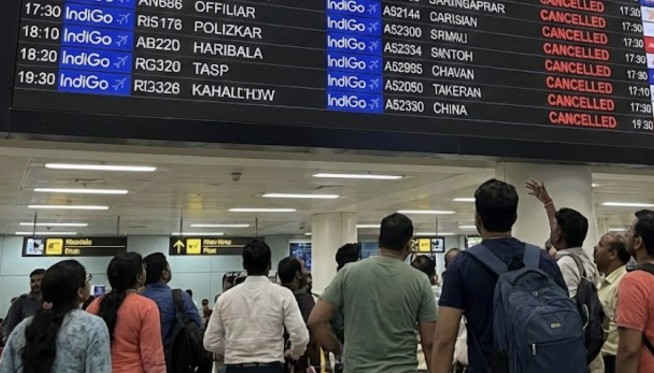
Pilot Fatigue Rules Trigger Disruption
The changes in the pilot flying hours and rest-time requirements provided by the government were introduced recently and are obliging the airlines to rejig the schedules.
Nevertheless, authorities made it clear that the regulations cover all airlines and not IndiGo.
The Directorate General of Civil Aviation (DGCA) indicated that new norms will help to minimize fatigue and improve the safety of passengers.

Read also
Why IndiGo Was Hit the Hardest
According to the analysts and aviation officials, there were four primary reasons:
1. Biggest domestic network
IndiGo accounts for more than 50 percent of domestic flights. An alteration to the rule affects more pilots and sectors immediately.
2. Short-haul model
IndiGo operates quick turnaround flights, and this is more vulnerable to revisions of crew-rest compared to long-haul operators.
3. Roster intensity
The past method of scheduling employed by IndiGo involved the crew in greater utilisation levels, leaving little buffer in case of changes in rules.
4. Current pilot shortage strain.
Industry observers indicate that IndiGo had already been operating with a tight crew strength as it has been expanding its fleet rapidly.
Other Airlines Absorbed the Impact
Air India, Vistara, and Akasa did change rosters without much notice, although the number of cancellations was significantly less due to:
- they operate fewer sectors
- international segments are less affected
- flight intensity is lower
- more rest space exists in long-haul networks
Was the Govt Targeting IndiGo?
Aviation authorities denied such an allegation.
There is equal protection for all airlines. The rules of safety are not a matter of negotiation, as one of the top officials stated.
The government had previously informed carriers to prepare for scheduling transitions.
Passenger Impact to Continue
More cancellations on short-term flights are anticipated as rosters are rebuilt by IndiGo, according to travel analysts.
Impact likely:
- limited flights
- higher fares on busy routes
- reduced frequency on popular sectors
The airline has issued multiple advisories asking passengers to check schedules proactively.
Sector-Changing Moment for Indian Aviation
According to industry experts, it may transform domestic aviation in a number of ways:
- new hiring cycles
- staggered aircraft induction
- careful route expansion
- better workforce planning
IndiGo was not the only target of government regulations. IndiGo is a business model that just happened to bump into a regulatory point.Scale has helped the airline to become dominant, yet it has exposed it. With carriers adjusting to new fatigue regulations, IndiGo must undergo a challenging transition that analysts believe will persist for several weeks.
