


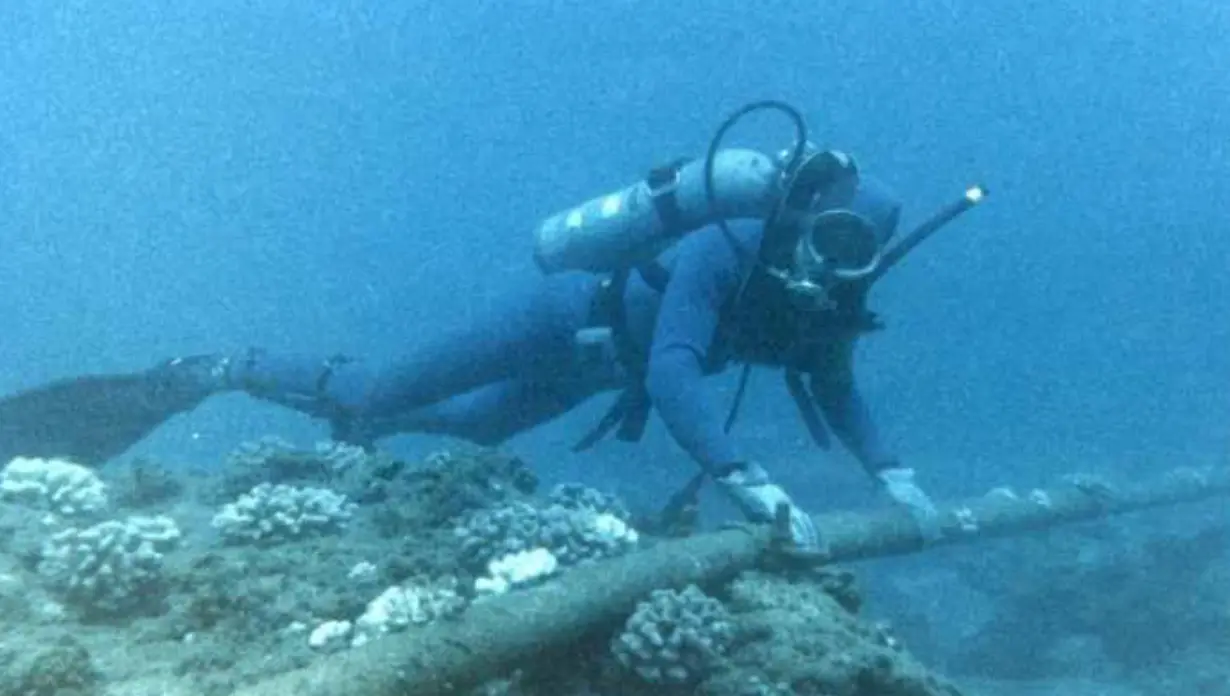
In today’s world, the internet is something we can’t live without. You need to be constantly connected digitally to do video calls, online shopping, YouTube and OTT apps, and work. A lot of people think that satellites or cell towers are where the internet mostly comes from. But in fact, almost 99% of internet traffic worldwide travels over lines laid on the ocean floor. Not above, but below, the data moves through the depths of the seas.
The internet is based on thousands of kilometres of optical fibre lines laid on the seabed. They join regions and countries with reliable communication. These wires connect people, companies, and governments worldwide, moving huge amounts of data every second. But who really owns these huge networks that have been laid under the oceans?
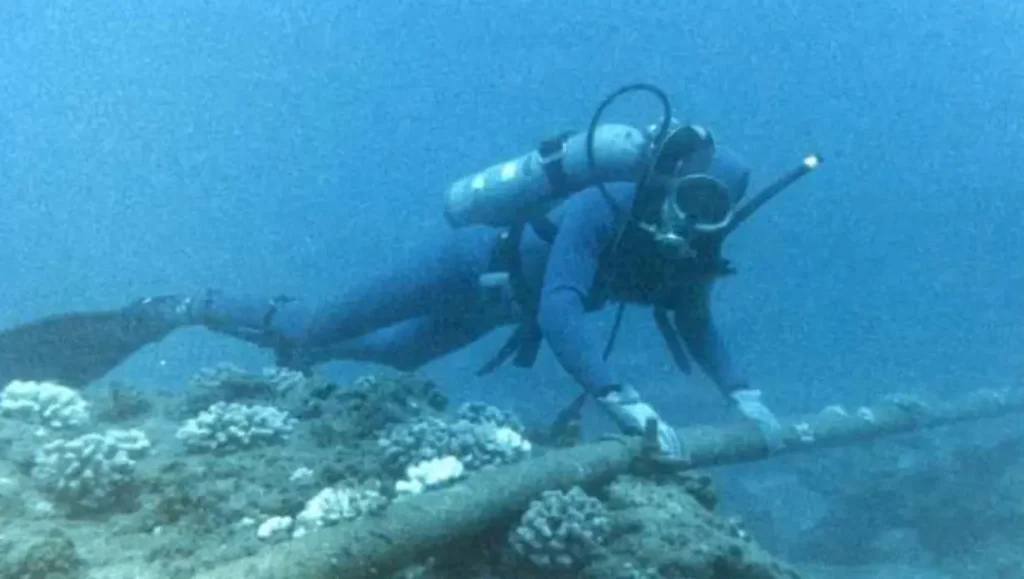
A Short History of Internet Cables Laid on the Ocean Floor
The telegraph was invented in the 1830s, beginning the story of internet lines. Even so, the only way to send information over long distances was through wired contact. Cyrus Westfield, an American businessman, laid the first transatlantic telegraph line between the United States and Britain in 1858.
Even though the wire broke not long after, it was a significant start. The first lasting underwater wire was successfully installed by 1866. It gradually spread across the globe, changing from telegraph to telephone and then to internet data.
Know more: Pricing for Starlink India has been disclosed
How Big Is the Submarine Network Today
Today, more than 1.4 million miles of underwater lines can be found around the world. They handle 99% of the internet’s traffic, including traffic to and from India. These underwater fibre-optic lines carry about 95 per cent of India’s foreign internet traffic. Seventeen foreign underwater lines connect the country to 14 landing stations in Mumbai, Chennai, Kochi, Tuticorin, and Thiruvananthapuram.
The internet connects India to the world, as the network spans the entire country
Who owns the oceanic internet highways?
No one country owns these lines, even though they are important to the whole world. Private telecom and technology companies own and operate most of the underwater internet cables. These companies have the money, technical know-how, and systems in place to build, manage, and run the lines that will keep people connected to the internet across countries.
In India, these underwater lines are managed by companies like BSNL, Sify Technologies, Bharti Airtel, Reliance Jio, and Tata Communications. Around the world, various private companies are responsible for laying and operating underwater cables. These cables are very important to the internet, as they form its backbone.
The easy movement of data that modern life relies on would not be possible without these networks.
Remember that under the ocean, which is thousands of miles deep, a network of carefully maintained fiber-optic cables is tirelessly carrying data to your device.
