


Wait… are foldable phones cool again? Well, apparently yes! Because Google searches went crazy. Foldables, flips, and clamshells; all are trending. But what changed? Nostalgia? Tech fatigue? Or did the foldables finally stop breaking after six months? Like phones do not randomly go viral without a reason, right?
Moreso, when foldables were supposed to be dead by now, but still in 2026, Google searches are exploding, and you know what that means? Well, something bigger is happening.
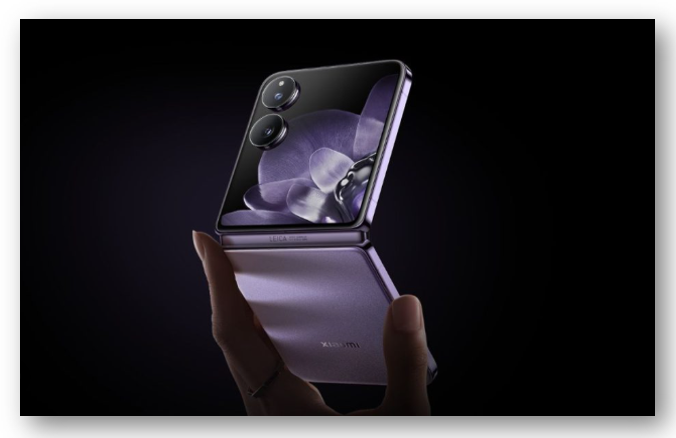
While nobody saw this coming, especially after foldable phones were treated like that one weird cousin at family functions, you know, fascinating to look at but not something you actually bring home.
So why the sudden glow up? Why are people typing “best flip phones 2026”? Let us be real, phones do not go viral out of the blue; this is no longer 2012, when anything with a touchscreen was magic.
Having said that, somewhere between everyone getting bored with rectangle phones and TikTok rediscovering the flip-to-hang-up drama, the world collectively decided that “Hmm…maybe a phone that folds is kinda iconic.”
Now, the real question is not whether or not flip phones are cool again, but the real question is what took them so long to become mainstream?
When nostalgia meets next-gen tech: the nostalgia combo nobody predicted
See, the aesthetic girlies rediscovered flip phones while tech bros rediscovered foldables, and meanwhile, Gen Z realised and decided that their parents had cooler phones than them, and suddenly the flip-phone aesthetic became the new “retro-cool.”
But to be honest, half of Instagram switched to flip phones the moment pop stars started using them as accessories.
What is more fun is the fact that for years, foldables were the flashy tech kid everyone clicked on but no one bought, and now the market has quietly crossed that line where curiosity turns into actual purchases.
See, while early foldables felt like prototypes pretending to be products, hinges made suspicious noises, screens wrinkled like yesterday’s clothes, and no one wanted a phone that came with an unspoken warning label, but somewhere between 2024 and 2026, something shifted quietly, where brands suddenly stopped experimenting and started perfecting.
This is the same convergence that marked the moment foldables crossed from being experimental tech to a viable daily driver, and we as consumers stopped viewing them as conversation starters and began treating them as practical, reliable devices. While the shot was subtle, but surely decisive.
So, we didn’t suddenly fall in love with foldables; rather, foldables finally became worthy of love.
Why do foldables suddenly make sense?
Yes, fashion helped a lot. Honestly, foldables didn’t come back only because they look good, but they became a hype the moment celebrities started treating flip phones like handbags, and all of a sudden, foldables went from geeky to glossy overnight.
You see, foldable phones stopped being less about a “tech gadget” and started behaving like lifestyle badges. But here is the twist: the return of foldable phones is not just about aesthetics.
Underneath this aesthetic hype lies a genuine frustration of being bored with using slab phones, which have been looking the same forever. You know, big in hand, awkward in the pocket, and visually predictable.
To change this, foldables offered a rare reset; it felt like rebellion and fun again. They fold, flip, snap, and do something and change the overall physical experience without sacrificing performance. Compact when you need it, expansion when you don’t. This exact mix of fashion and function is exactly why people did not just admire the fashionable as well as functional benefits of the foldable phones.
Think about it: compact in your pocket, massive on your screen. Now that’s not a trend; that’s a solution.
Are phones getting smarter… Or are they getting harder to use?
Ask yourself this. Surely, AI turned smartphones into creative machines, but creativity needs space. Like, think about it, we are asking our phones to generate images, edit videos, rewrite emails, transcribe meetings, translate conversations, and brainstorm ideas, ALL AT ONCE.
Want to know what’s more interesting? We are doing that on the same screen that we used to check WhatsApp in 2012. On slab phones, AI feels powerful but frustrating, but on foldables? It finally feels natural.
It is the foldables that gave space to stretch out; split screens stopped feeling like a gimmick and started feeling like a necessity. The problem is that everything is too powerful, but everything is cramped as well. You are constantly switching apps, zooming in, zooming out, losing your place, and losing your patience. That is exactly where foldables walked in and said, “Why not just…open the screens?”
So, what’s the harm when foldables are offering you that without sacrificing portability? Think about it for a moment; this alignment between AI capability and hardware design is quietly driving consumer interest, and that is the same reason why foldables are no longer seen as experimental devices.
And that is exactly where users stopped calling foldable phones gimmicks.
The price drop that changed everything
Here’s a question for you that is worth asking: “Would foldables be this popular today if they still cost as much as a small motorcycle?
Probably not, is what I would say, but to be fair, foldable phones did not fail because of creases or hinges; rather, they failed because nobody wanted to pay a flagship-plus price to be a beta tester.
See, for years, foldables lived in the luxury lane. Impressive? Yes. Affordable? Absolutely not. Like common, spending that much money on a phone that might wrinkle, crack, or scare you every time you fold it was a gamble most people were not willing to take.
For the time being, most people said “cool tech…but no thanks.”
But now? Mid-range foldables exist; you no longer need to buy a luxury budget phone to experiment with them anymore. It is that single shift that transformed foldables from showroom curiosities into real-world purchases.
You know the moment something becomes affordable, it becomes debatable. That moment? That is exactly when everything changed.
Turns out, we just wanted phones to feel fun again
Come on, I missed the snap, we missed the drama, and we missed phones that feel like something. And foldable phones brought back excitement without sacrificing power. Foldables did not return because trends are cyclical, but they returned because slab phones stopped evolving. While foldables felt unnecessary because the problem was not obvious yet, now it is.
AI workflows need space, users want personality back, and pockets want relief. This is not just another trend; it is the market nudging itself forward again. See, foldables are not the future; rather, they are the present catching up.
If you are a mobile user and trying to use your free time into pocket saving then take this consider our latest published. how to earn money using mobile phone.
